Will European sanctions end the gold trade that funds the war in Sudan?
European ban includes gold and mining materials
Written by: Mohammed Omran
In a move targeting one of the main sources of funding for the conflict in Sudan, it was announced European Union A new package of sanctions has been imposed, including a ban on the purchase, import and transfer of Sudanese gold, as well as a ban on the export of mercury and cyanide used in gold mining operations, in an attempt to reduce the financial resources that have fueled the ongoing war between the Sudanese army and the Rapid Support Forces since April 2023.
The European Union bans the import of Sudanese gold... Will the sanctions succeed in drying up the sources of war funding?
The European decision comes at a time when Sudan is facing one of the world's worst humanitarian crises, with the war having displaced more than 14 million people, while more than 28 million Sudanese are facing acute levels of food insecurity, according to estimates by international aid organizations.

Gold: The lifeblood of war financing
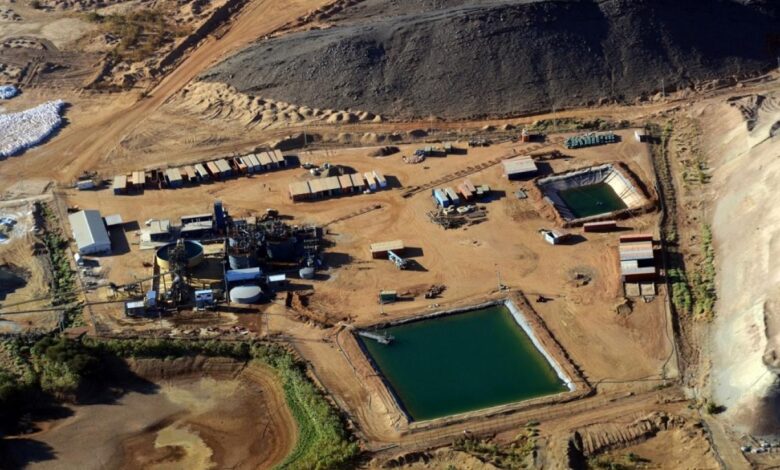
Gold is one of the most important economic resources in Sudan, and during the years of war it became a major source of funding for military operations, amid mutual accusations that the parties to the conflict benefited from the proceeds of mining and illegal trade.
The European Union believes that limiting Sudanese gold trade will reduce the financial resources available to the warring parties, thus increasing economic pressures that may push towards ending the conflict or limiting its ability to continue.
What do the penalties include?
The European decision not only prohibits the import of gold, but also includes a ban on the purchase, import, or transfer of gold originating from Sudan, in addition to prohibiting the sale or export of mercury and cyanide to Sudan, which are among the most important materials used in gold extraction operations, in an attempt to limit the production of the metal, which represents one of the most prominent sources of funding during the war.
The sanctions also aim to reduce services related to the gold trade, including activities that could facilitate the movement of the metal within international markets or its re-export through intermediary countries.
Are sanctions enough?
Despite the importance of the European move, experts believe that sanctions alone may not be enough to stop the flow of Sudanese gold, especially since a large part of the production is smuggled through neighboring countries before it reaches global gold trading centers, allowing it to be re-exported after changing the shipping route or country of origin.
Analysts emphasize that the success of the sanctions depends largely on the cooperation of global gold trading centers and transit countries in tightening controls on gold coming from Sudan and preventing its entry into international markets through illegal means.

An economy facing increasing pressures
The decision comes at a time when the Sudanese economy is suffering a sharp decline as a result of the war, with production, trade and infrastructure sectors suffering extensive damage, while the mining sector has become one of the few remaining sources of foreign currency.
Observers believe that continued restrictions on gold trade may increase economic pressure on Sudan, but at the same time it may push smuggling networks to expand their activity if the sanctions are not accompanied by stricter regional and international control over illicit trade routes.

A worsening humanitarian crisis
Since the outbreak of war in April 2023, Sudan has become one of the world’s largest hotspots of displacement and hunger, with fighting continuing, living conditions deteriorating, and large parts of the health system and basic services collapsing.
The European Union hopes that drying up funding sources will reduce the ability of the parties to the conflict to continue military operations, thus opening the way for political settlement efforts and alleviating human suffering. However, experts stress that ending the crisis requires, in addition to economic sanctions, broader international and regional action to address gold smuggling networks and stop the flow of funds that fuel the conflict.