Rising jet fuel costs reduce travel; Morocco suspends flights to six African cities.
Airlines are facing rising operating costs and revenue losses.
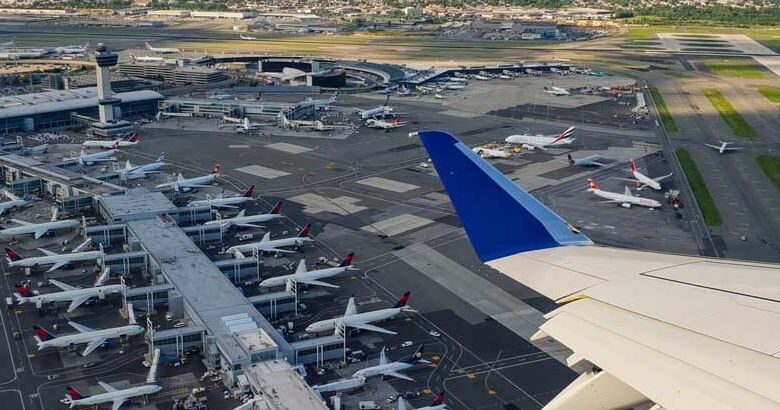
Air traffic declined sharply as a result of the US attacks on Iran, forcing Airlines The use of different routes is a result of rising fuel prices, as tensions in the Middle East have led to a sharp rise in jet fuel prices worldwide, putting pressure on airlines and prompting them to temporarily suspend some flights.
Airlines are facing rising operating costs and revenue losses, while the tourism and business travel sectors to and through the Middle East are experiencing a sharp decline, and supply chains that rely on air freight may also face delays and increased costs.
The immediate impact is severe inconvenience for travelers, with flight cancellations and delays and limited rebooking options. However, the broader effects are economic and structural.
African airlines face greater risks
African airlines face even greater risks. While Europe’s largest airlines warn of rising fuel costs, African carriers remain among the most vulnerable because they rely heavily on jet fuel imports that pass through the Gulf, where Iran’s war turmoil has pushed prices to well over $200 a barrel.
Standard & Poor's Global and African Security Analysis estimates that approximately 70% of Africa's jet fuel imports pass through the Strait of Hormuz, making the continent vulnerable to supply disruptions and rapid price spikes.
Fuel accounts for between 30 and 40% of operating costs.
Therefore, fuel already accounts for between 30% and over 40% of operating costs for African airlines, compared to a global average of around 20% to 25%, according to the Association of African Airlines.
Ethiopian Airlines suspended flights to several destinations in the Middle East and cancelled more than 100 weekly flights, affecting nearly 50,000 passengers and cargo shipments, after reporting losses of about $137 million in one week.
Kenya Airways has reduced its flights to the Middle East by between 20% and 30%, while deploying larger aircraft on the remaining routes to maintain passenger volumes.
In South Africa, Flysapphire imposed a temporary fuel surcharge of between 101 and 367 rand after A1 jet fuel prices at coastal airports jumped by about 70% in one week in March, according to the company’s website.
South Africa’s national airline has added clauses to contracts that allow it to charge customers extra fuel fees if prices rise during flights.
Meanwhile, Airbase, Nigeria’s largest airline, warned passengers of possible flight delays across its network due to ongoing restrictions on jet fuel supplies, saying the situation was beginning to affect scheduled departure times.