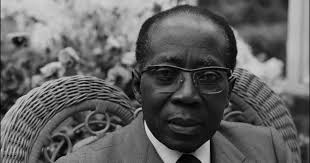
Léopold Senghor... the poet-president whose name is immortalized by Senghor University in the heart of Alexandria
Who is Léopold Senghor, after whom Senghor University is named?
Written by: Mohamed Ragab
The new headquarters of the university Sinjur In the new city of Burj Al Arab, the name of the late Senegalese thinker and poet Léopold Sédar Senghor, one of the most prominent figures of Francophone culture in Africa, whose name was associated with defending African identity and establishing cultural and humanistic thought in the African continent, is given.
The opening of the university's new headquarters on Saturday, in the presence of Abdel Fattah al-Sisi and Emmanuel Macron, serves to refocus attention on the president's intellectual and political journey. Senegalese The deceased, who is considered one of the most influential African figures of the twentieth century.
African origins, French formation
Léopold Sédar Senghor was born in 1906 in the coastal town of Joal in Senegal, and grew up in a traditional African environment that had a profound influence on his intellectual and cultural development.
In 1928, he moved to Paris to complete his studies, where he enrolled at the Sorbonne University and studied French language and literature, before later becoming one of the most prominent advocates for interaction between African and French culture.
During World War II, Senghor enlisted in the French army, before being taken prisoner by German forces for 18 months.
During his captivity, he turned to writing poetry, which shaped his literary and intellectual personality, which later earned him the title of “the poet president,” as he combined creative sense with political vision.
His poems later became a mirror of his African identity and human experience, and his literary works formed one of the most prominent symbols of Francophone literature in Africa.
Leader of independence and builder of the Senegalese state
Senghor led his country towards independence from France in 1960, becoming Senegal’s first elected president after independence, a position he held until 1980.
During his rule, he adopted the concept of “African Socialism,” which focused on building a modern state based on African identity and cultural and economic independence, while maintaining close ties with France and the Francophone world.
He also played a prominent role in supporting African unity and promoting cultural and political cooperation among French-speaking African countries.
Founder of "Negritude" and symbol of Francophonie
Senghor is considered one of the most prominent founders of the “Negritude” movement, an intellectual and cultural current that called for pride in African identity and confronting Western cultural hegemony and intellectual colonialism.
He also made history in 1983 as the first African to be elected a member of the French Academy, an achievement that reflected his global literary and intellectual standing.
In conclusion, Léopold Sédar Senghor’s legacy remains present to this day, both through his literary works and through the educational and cultural institutions that bear his name, most notably the Senghor University in Alexandria, which continues its mission of preparing African talents and promoting Francophone cooperation on the continent.