Libya is nearing its oil dream: record production restores it to the throne of African energy.
Highest level of oil production since 2013
Written by Omnia Hassan
In a move reflecting the recovery of Libya’s energy sector and its regaining momentum after years of challenges, Libya has recorded its highest level of oil production since 2013, nearing its strategic goal of producing 1.5 million barrels per day.
This achievement reinforces the country's position as one of the major oil powers in Africa, benefiting from having the largest proven reserves of crude oil on the continent.
historic production leap
The National Oil Corporation announced that crude oil and condensate production reached approximately 1.49 million barrels per day, the highest level in 12 years.
Production was divided between 1.44 million barrels of crude oil and more than 49,000 barrels of condensates, placing Libya among the largest African producers alongside Nigeria, Algeria and Angola.
This achievement is a clear indication of the success of efforts to rehabilitate oil fields and improve the efficiency of operational processes, despite the political and economic challenges that the country has faced in recent years.
enormous oil wealth
Libya has about 48 billion barrels of proven oil reserves, equivalent to about 41% of the total oil reserves in Africa. Most of this wealth is concentrated in the Sirte and Murzuq basins, which represent the backbone of the Libyan oil industry and a major source of government revenue.
European markets continue to rely heavily on Libyan crude, with five European countries, led by Italy and Spain, taking in more than 70% of Libyan oil exports during 2025, reflecting the strategic importance of Libyan oil in securing European energy needs.
Return of global investors
The increase in production coincides with the return of international energy companies to Libya after years of caution. The National Oil Corporation recently awarded new exploration blocks to prominent global companies such as Chevron, Eni, Qatar Energy, and Repsol, in its first licensing round since 2007.
Through this step, the Libyan government seeks to attract new investments and enhance exploration and production operations, in order to ensure the sustainability of the sector’s growth in the coming years.
Ongoing challenges and greater ambitions
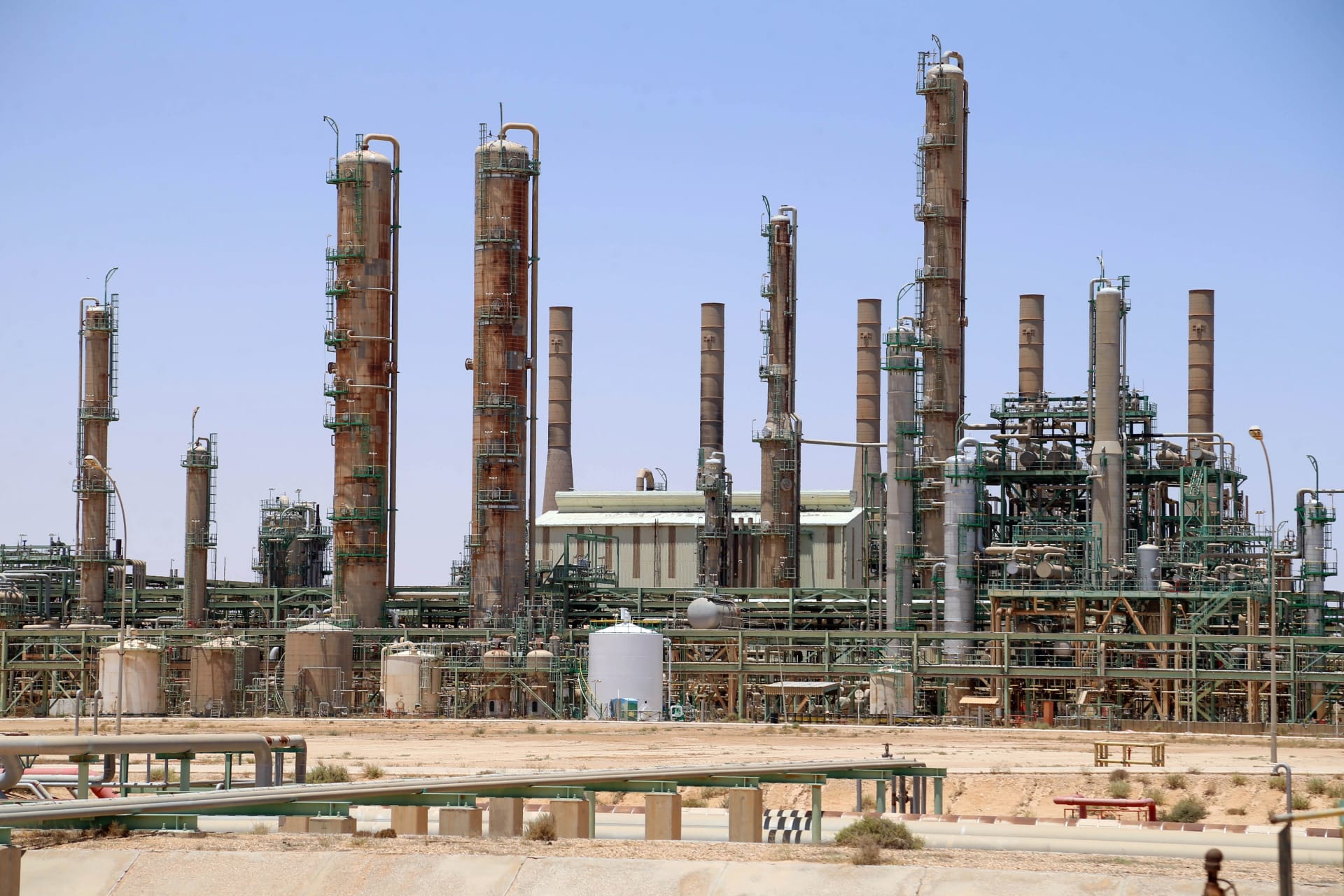
Despite some ongoing political and operational challenges, Libya's oil sector has demonstrated a remarkable capacity for recovery. The National Oil Corporation is also working to restart the 220,000-barrel-per-day Ras Lanuf refinery after more than a decade of closure.
With continued expansion plans and new investments, Libya appears closer than ever to restoring its historic role as one of the leading oil powers in Africa and the world.