Trump in Beijing: Trade deals and understandings on Iran and artificial intelligence
New US-China understandings: Trade and technology on the table for Trump and Beijing
Written by: Hussein Ahmed
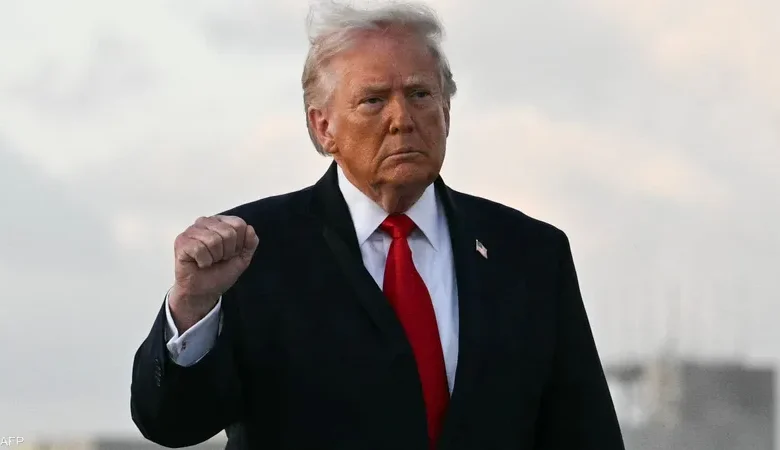
The visit of US President Donald Trump The visit to China marks a new chapter in the complex relationship between the world’s two largest economies, with dimensions that extend beyond traditional trade issues to include technology and artificial intelligence, as well as sensitive geopolitical matters, most notably Iran and the balance of power in the Middle East.
New US-China understandings
The visit came at a critical juncture, following months of escalating trade tensions between Washington and Beijing, and amidst efforts by both sides to establish an economic truce that would prevent relations from sliding into a wider confrontation that could impact the global economy. While official statements focused on strengthening economic cooperation, the talks revealed deeper understandings regarding the management of strategic competition between the two countries.
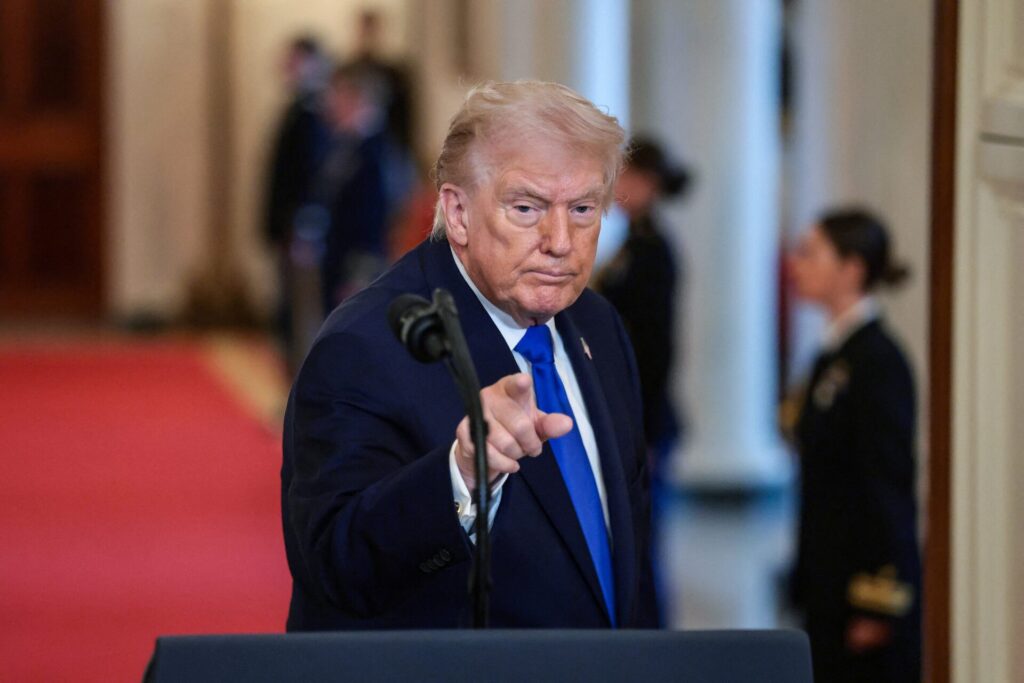
In this context, US Treasury Secretary Scott Bessent announced that the United States is nearing a major deal with China for the sale of a large batch of Boeing aircraft, a move reflecting a mutual desire to revitalize trade relations and contain economic disputes. He also noted China's interest in increasing its imports of US energy and soybeans, which would provide significant economic relief for American farmers and businesses.
But the most sensitive aspect of the visit was the issue of artificial intelligence. Bisset revealed that Washington and Beijing would begin a dialogue on establishing protocols to regulate the development of this rapidly advancing technology, ensuring that advanced models do not fall into the hands of non-governmental entities or parties that might use them for purposes that threaten international security. This approach reflects a growing American and Chinese understanding that the AI race is no longer merely an economic competition, but has become a matter of national security and global stability.
On the geopolitical front, Iran featured prominently in the behind-the-scenes discussions between the two sides, particularly given the escalating tensions in the Middle East and their direct impact on energy markets and international trade. Washington recognizes that Beijing maintains strategic relations with Tehran, whether through energy agreements or long-term economic partnerships, making China an indispensable player in any arrangements concerning the Iranian issue.
The Trump administration is seeking to push China to exert greater pressure on Iran, particularly regarding the nuclear issue and maritime security in the Gulf, in exchange for economic and trade concessions that could ease the trade war between the two countries. Beijing, for its part, appears keen to maintain a delicate balance; it does not want to lose its partnership with Iran, but at the same time recognizes the importance of a stable relationship with the United States, its largest trading partner globally.
The two sides also discussed establishing a special council to facilitate Chinese investment in non-critical US sectors, along with a separate trade council aimed at reducing tariffs on nearly $30 billion worth of goods in non-essential sectors. These steps indicate that both sides are attempting to build a mechanism for managing disputes rather than engaging in open escalation.
Trade and technology are on the table for Trump and Beijing
The visit as a whole reflects a gradual shift in the nature of the relationship between Washington and Beijing, from a stage of direct confrontation to a stage of managing competition, where both sides seek to protect their economic interests and prevent geopolitical disputes from getting out of control, in a world witnessing rapid shifts in the international balance of power.