In support of the economy, 78% of the Lusaka-Ndola road has been completed in Zambia.
تقدم ملحوظ في مشروع طريق لوساكا–ندولا
Written by Muhammad Imran
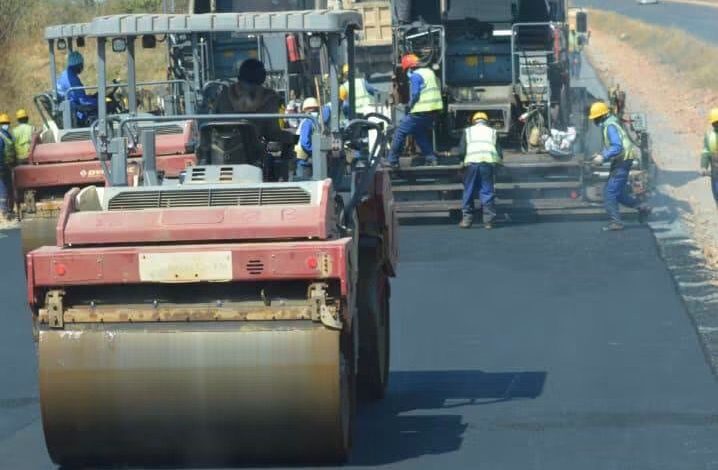
وصل مشروع الطريق المزدوج بين لوساكا وندولا في Zambia إلى نسبة إنجاز بلغت 78%، ما أسهم في تقليص زمن الرحلات بشكل ملحوظ، ووضع المشروع الرائد على مسار يسبق الجدول الزمني المحدد له.
إنجاز 78% من طريق لوساكا–ندولا يعزز البنية التحتية بزامبيا
وقال مدير الاتصالات والشؤون المؤسسية في هيئة تطوير الطرق الزامبية (RDA)، أنتوني مولوا، إن المشروع الذي انطلقت أعماله في مايو 2024، من المتوقع أن يكتمل بشكل كبير خلال العام الجاري، أي قبل موعد الانتهاء التعاقدي المحدد في عام 2027.
وخلال حديثه لوسائل الإعلام في مدينة كابوي اليوم، أوضح مولوا أن وتيرة التنفيذ الحالية تعكس التزام الحكومة بتوفير بنية تحتية حديثة للنقل من شأنها دعم النمو الاقتصادي وتحسين الربط بين المناطق.
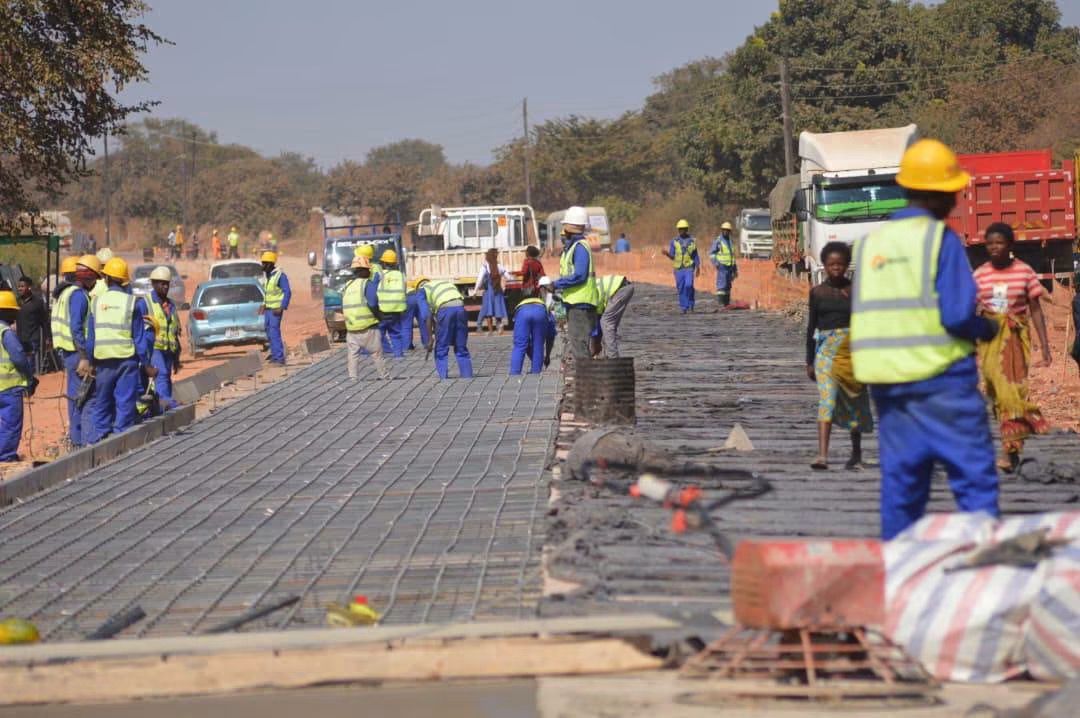
وأضاف:”يسعدني أن أعلن أننا نواصل تحقيق تقدم جيد في هذا المشروع التحولي. لقد وصلنا حاليًا إلى نسبة إنجاز تبلغ 78% في الطريق الرئيسي، وبالوتيرة التي نسير بها نتوقع إنجاز الجزء الأكبر من المشروع هذا العام. وأشيد بالشركة المنفذة وجميع المشاركين في المشروع لضمان تقدم الأعمال بوتيرة تسبق الجدول الزمني المحدد.”
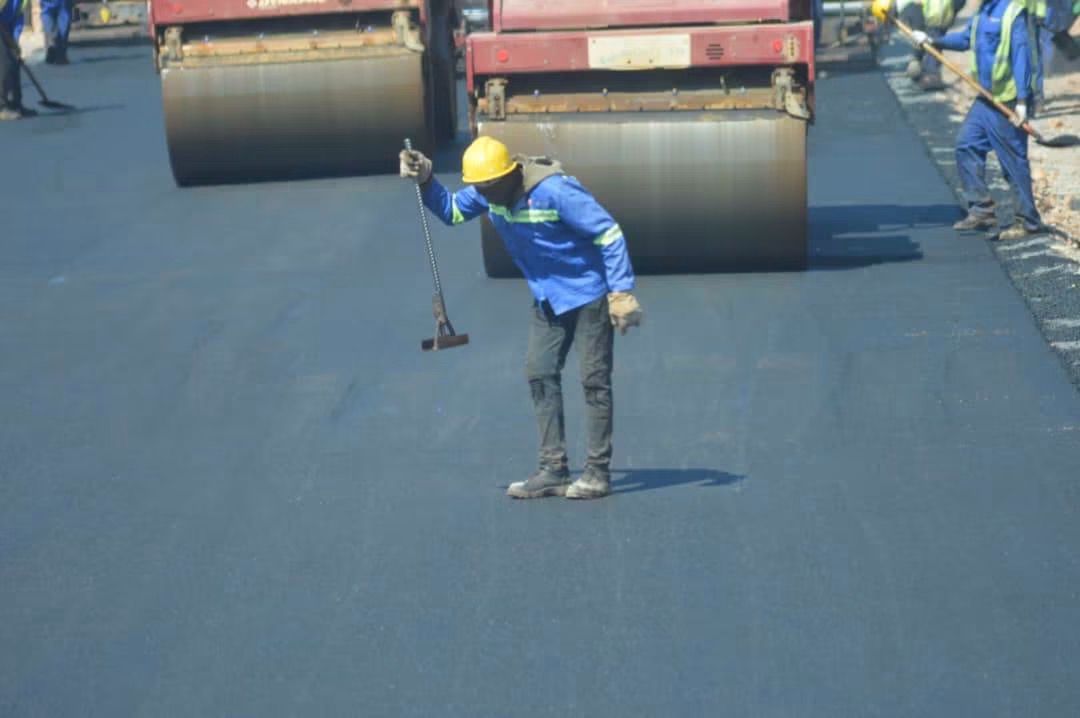
من جانبه، قال إدوين مويا، مساعد مهندس الموقع في شركة Moic Consortium Limited والمسؤول عن الحزمة الثانية من المشروع، إن أعمال إنشاء طريق كابوي الالتفافي بطول 25 كيلومترًا وصلت إلى مرحلة متقدمة، حيث تم بالفعل سفلتة 9 كيلومترات منه.
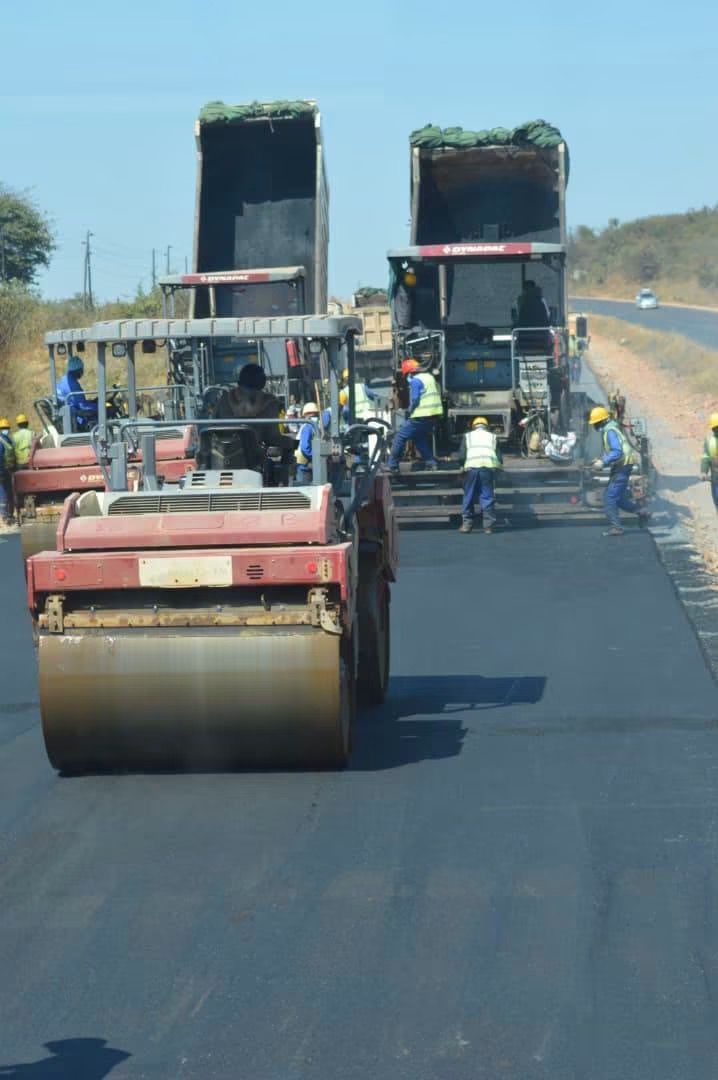
تقدم ملحوظ في مشروع طريق لوساكا–ندولا
وأوضح مويا أن نحو 14 كيلومترًا لا تزال متبقية، إلا أن معظم الأعمال الأساسية قد أُنجزت بالفعل، ولم يتبق سوى عدد محدود من المقاطع قبل البدء في أعمال الرصف بالإسفلت.