Burkina Faso's president criticizes sending students to study Islamic law: Security and development are top priorities.
Controversial statements spark debate in Africa
Written by Amna Hassan
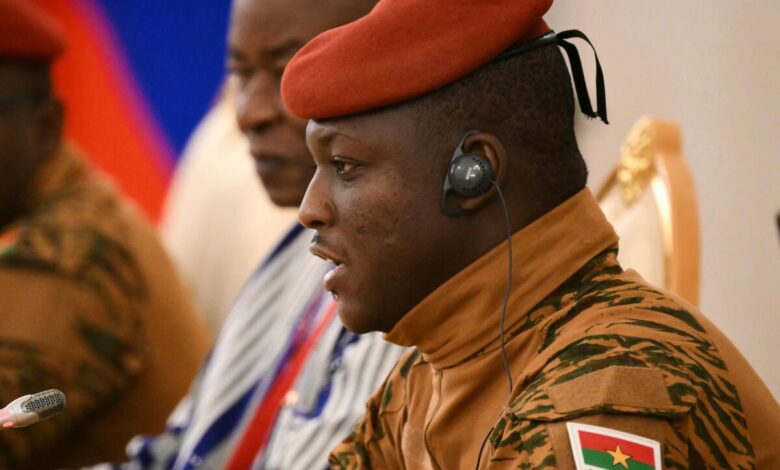
The President of Burkina Faso, Captain Ibrahim Traoré, sparked widespread controversy after statements in which he criticized the sending of hundreds of students to some Arab countries to study Islamic law and religious sciences, stressing that his country needs scientific and technical personnel capable of supporting the development process, and not more specialists in religious jurisprudence.
Traore said that more than 800 students from Burkina Faso are studying Islamic law abroad, noting that the authorities are working to count the number of scholarship recipients, and that the government was unaware that a large number of them had gone to study outside the country.
He also stressed that the state will not allow the imposition of Islamic law, affirming that the constitution protects freedom of belief, but the interest of the nation remains above all other considerations.
Development before religious disciplines
The President explained that the current stage requires investment in the fields of engineering, technology, science, agriculture and various industries, considering that these disciplines represent the true basis for building a strong economy and confronting the security challenges that the country has been suffering from for years.
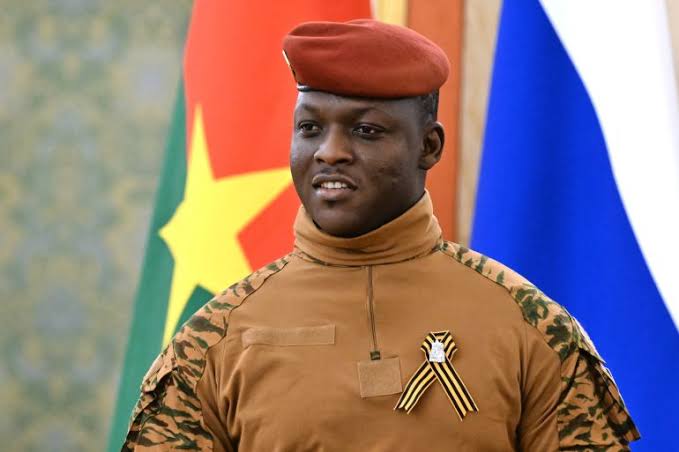
He added that his government seeks to direct human resources towards technical and vocational education, which will contribute to providing job opportunities and supporting development plans, in light of the continued threats posed by armed groups in the Sahel region.
Mixed reactions
Traore’s statements sparked a wide division; his supporters saw them as reflecting the state’s keenness to protect national identity, combat extremism and promote development, while critics considered that these statements could be interpreted as restricting the freedom to choose academic specializations or study abroad.
These statements come at a time when the government is tightening procedures for students traveling to study abroad, after the authorities issued a law requiring those wishing to enroll in foreign universities to obtain prior approval from the Ministry of Higher Education, a measure that human rights organizations said could restrict freedom of education and movement, while the government asserts that its aim is to protect national security and regulate overseas scholarships.
Burkina Faso: Between combating extremism and preserving freedoms
Analysts believe that President Ibrahim Traoré’s statements come within the context of a broader policy adopted by his government to reorganize the education sector and strengthen oversight of overseas scholarship programs, in light of the security challenges facing the country as a result of the escalating activity of armed groups in the Sahel region.
In contrast, human rights organizations and education experts assert that developing technical and scientific education does not conflict with supporting religious studies. Rather, achieving a balance between different disciplines is one of the fundamental pillars for building a society capable of facing security, economic, and intellectual challenges, while preserving the freedom of education and the right of students to choose their academic paths.