Cameroon's ambassador to Zoom Africa News: Strengthening economic and security cooperation with Egypt is a shared priority
Mohamedou Labarang: Security missions coming from Cameroon to Egypt receive advanced training
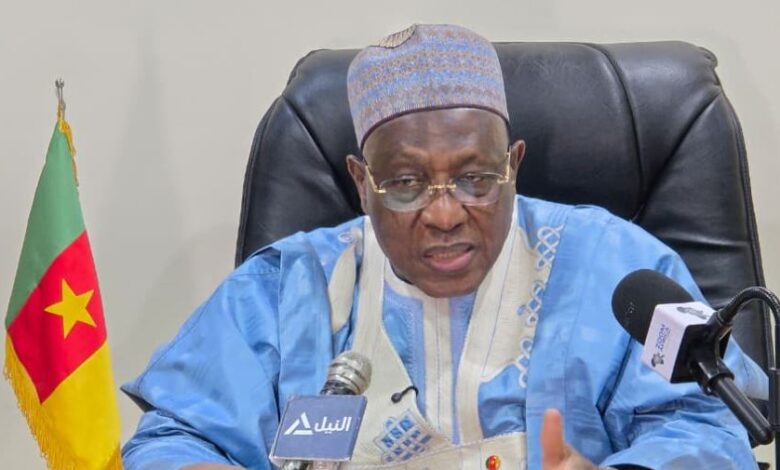
The Cameroonian Ambassador to Egypt, Dr. Mohamadou Labarang, affirmed the depth of the bilateral relations between Egypt and Cameroon, noting the broad prospects for enhancing joint cooperation in Investment fields Trade and security, in a way that serves the interests of the two friendly peoples and strengthens the joint African partnership.
This came during his conversation with the “Zoom Africa News” website on the sidelines of his meeting with various media outlets at the embassy headquarters in Cairo to prepare for the celebration of the National Day of the Republic of Cameroon, where he reviewed the features of Egyptian-Cameroonian relations, stressing that the two countries are linked by historical relations based on mutual respect and fruitful cooperation in many vital fields.
Growing interest in economic and trade cooperation between Egypt and Cameroon

Ambassador Dr. Mohamedou Labarang explained that economic and trade cooperation between Egypt and Cameroon is witnessing increasing interest from both sides, pointing to the importance of enhancing the volume of joint investments and opening new horizons for Egyptian and Cameroonian businessmen and companies to benefit from the opportunities available in the various markets.
He pointed out that Cameroon is looking to expand areas of economic cooperation with Egypt, especially in the sectors of trade, infrastructure, industry and agriculture, stressing that there are great potentials that can be invested in a way that contributes to driving development rates and achieving common economic interests.
The ambassador praised Egypt's role in supporting and training Cameroonian security personnel.
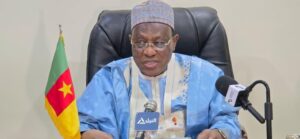
In the same context, the ambassador stressed the importance of continued coordination and cooperation between the two countries in the security field, pointing to the important role that Egypt plays in supporting and qualifying Cameroonian security personnel through specialized training programs hosted by the Egyptian Police College.
He added that the security missions coming from Cameroon to Egypt receive advanced training that contributes to raising the efficiency of security personnel and exchanging experiences, which reflects the level of trust and cooperation between the two countries in facing common security challenges.
The ambassador affirmed that Egypt is a pivotal partner for Cameroon at the African continental level, given its extensive experience and capabilities in multiple fields, expressing his hope for further cooperation and coordination in the coming period, which will strengthen bilateral relations and support development and stability efforts on the continent.
Ambassador Dr. Mohamedou Lebarang concluded his remarks by emphasizing the importance of dialogue and media communication in promoting rapprochement between peoples and highlighting opportunities for joint cooperation, praising the role played by the media in conveying a positive image of relations between African countries and supporting paths of cooperation and development.