Written by: Mohammed Omran
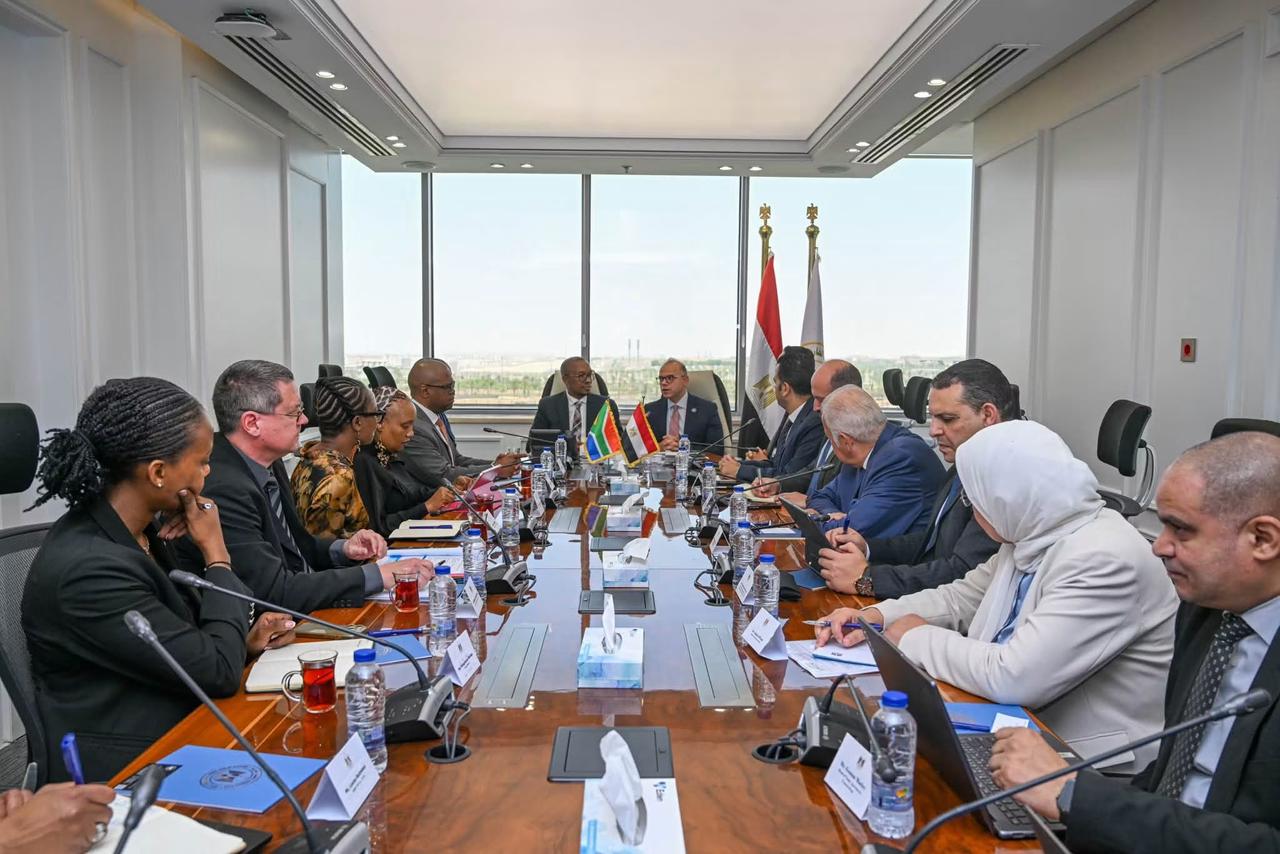
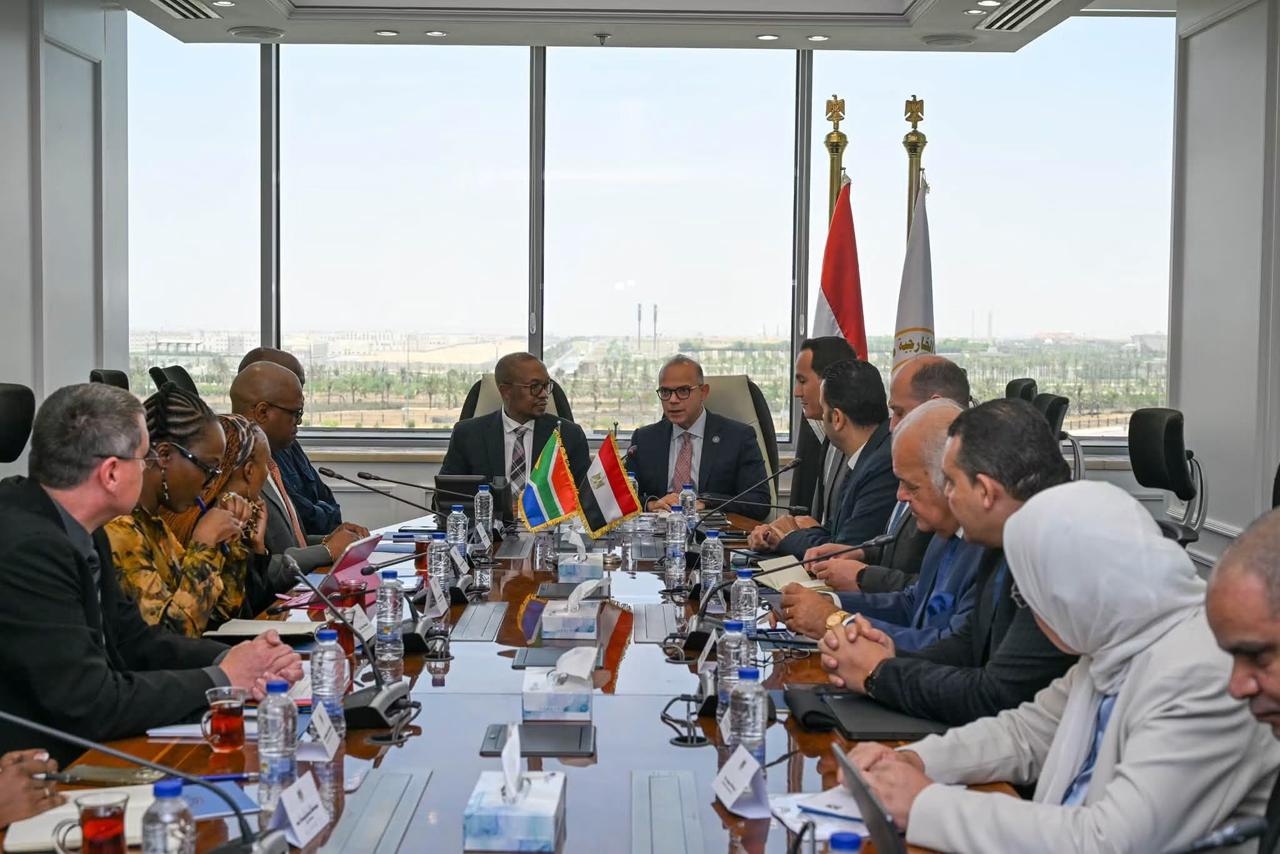
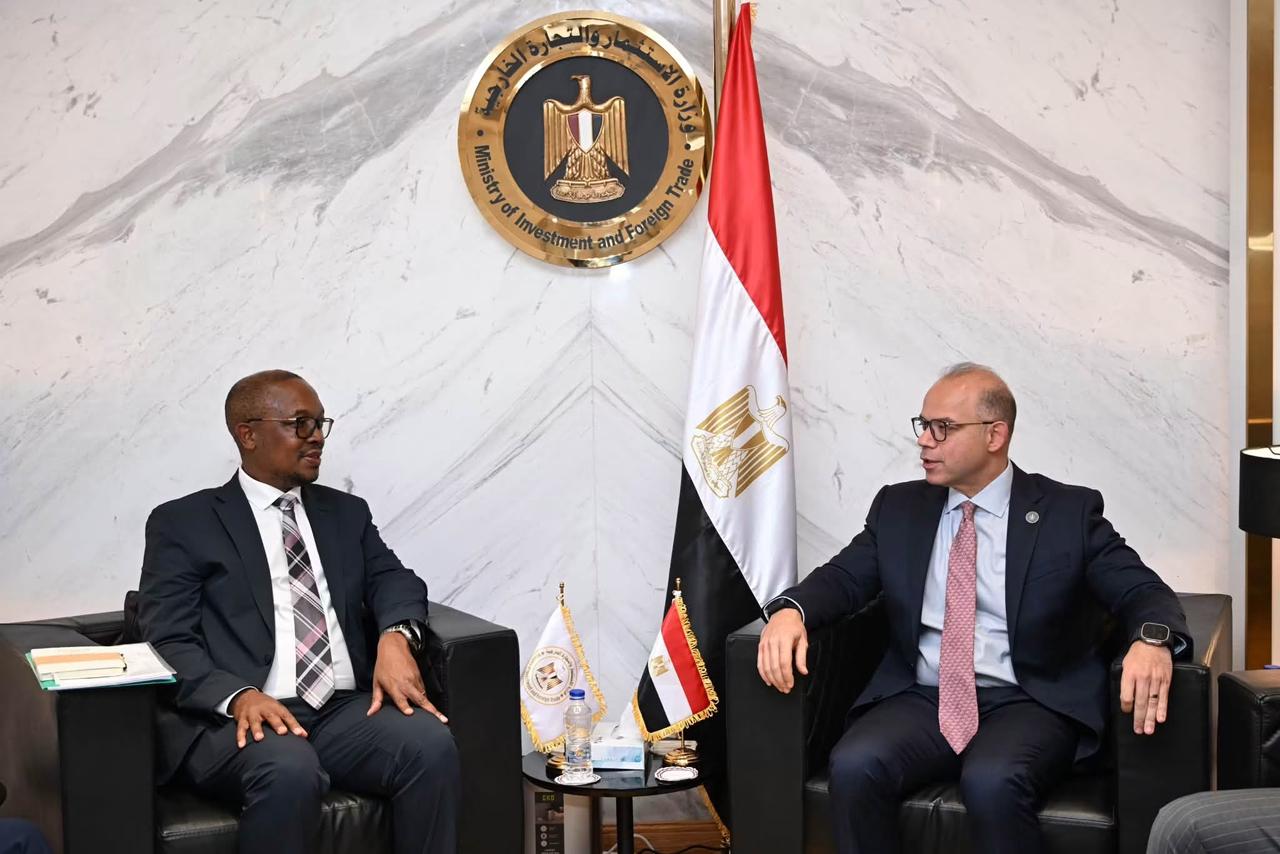
Dr. Mohamed Farid Saleh, Minister of Investment and Trade, held a meeting Foreign MinistryIn the presence of the Minister of Industry, extensive talks were held with Mabo Parks-Taw, Minister of Trade, Industry and Competition of the Republic of South Africa, and Ambassador Ntseke Mashembe, South African Ambassador to Cairo, to discuss ways to enhance economic, trade and investment relations between the two countries, and to expand areas of cooperation in the industrial, logistical and commercial sectors.
Proposals for establishing reciprocal trade fairs between the two countries
This comes as part of the Ministry of Investment and Foreign Trade’s efforts to enhance economic integration with African countries and expand trade and investment partnerships within the continent, and in implementation of the directives of the political leadership.
The South African side was represented in the talks by Simphiwe Hamilton, Director-General of the South African Department of Trade, Industry and Competition, and Ms. Tufio Mofe (Special Advisor to the Minister), along with a number of officials from the Ministry and the Embassy.
On the Egyptian side, a number of leaders from the Ministry of Investment and Foreign Trade and its affiliated bodies attended, in addition to Dr. Magid George, head of the Egyptian side of the “Egyptian-South African Business Council”.
Dr. Mohamed Farid Saleh, Minister of Investment and Foreign Trade, affirmed that cooperation between Egypt and South Africa represents a fundamental pillar for enhancing economic integration within the African continent, noting that the next stage requires moving from traditional trade cooperation to joint manufacturing and linking value chains.
Egypt and South Africa are strengthening economic integration within the continent.
The minister said that the future of cooperation between the two countries should be based on genuine African-African cooperation in various sectors, including industry, mining, energy and trade, in order to promote growth within the continent.
He added that the goal is not limited to increasing trade exchange, but rather to building an integrated investment and trade model between the two countries that could be a model for African integration.
He also stressed the importance of accelerating product approval and registration procedures between the two sides, emphasizing that establishing a fast track for product approval, especially in the pharmaceutical sector, has become a necessity to boost trade and reduce the time required to enter markets.
The minister pointed out that Egypt is currently working on developing the legislative and customs frameworks that regulate trade, including facilitating transit and logistics distribution centers, stressing that these reforms aim to strengthen Egypt’s position as a regional center for trade and logistics services.
For his part, Mabo Parks-Taw, Minister of Trade, Industry and Competition of the Republic of South Africa, affirmed that his country sees cooperation with Egypt as a strategic opportunity to enhance economic integration within the African continent.
He said that the focus at the current stage should be on turning the dialogue into practical, implementable projects, especially in the areas of industry, trade and supply chains.
He stressed that South Africa is ready to support the development of cooperation in the logistics, trade and industry sectors, noting the importance of joint work to identify priority sectors and facilitate private sector participation from both sides.
He also noted the progress made in bilateral coordination, explaining that the South African side had completed the technical preparations for a number of proposed areas of cooperation, most notably industrial cooperation, including the automotive sector, and was ready to complete the required procedural steps during the next phase.
Both sides stressed the importance of utilizing the ports and special economic zones in both countries, which would enhance the efficiency of supply chains and reduce transportation costs, while emphasizing that the sustainability of shipping lines depends on the actual volume of trade between the two sides.
Both sides agreed on the importance of activating the concept of cumulative rules of origin within the African continent, enabling production stages to be completed in more than one country and allowing products to enter regional markets as products of African origin. The possibility of applying this model in various sectors was also discussed, including engineering, automotive, and manufacturing industries.
The two sides discussed the proposed investment cooperation in the automotive sector between Egypt and the Southern African Customs Union (SACU), with the Egyptian side affirming its interest in advancing this matter, while the South African side confirmed its technical readiness and willingness to proceed with the cooperation process and sign the proposed protocols.
The talks also addressed the pharmaceutical industry, where the importance of accelerating product registration and approval procedures between the two sides was emphasized, in order to enhance intra-continental pharmaceutical trade.
Both sides agreed on the importance of holding virtual technical meetings between the relevant authorities in the two countries to discuss opportunities for industrial integration in this vital sector, and to harmonize what is produced with what is imported from different markets.
The meeting stressed the importance of strengthening coordination among African countries in international forums, especially within the World Trade Organization, to enable the adoption of unified positions on trade issues of common interest and to enhance the continent’s negotiating power.
A proposal to organize reciprocal trade fairs between the two countries was also discussed, including holding an Egyptian fair in South Africa and a South African fair in Egypt, with the aim of supporting communication between the private sector and enhancing opportunities for direct partnerships between companies.
Both sides affirmed that exhibitions represent an effective and practical tool for accelerating trade interaction compared to traditional missions.
The talks concluded with an emphasis on continued coordination between the two sides in the coming period, and working to transform the proposals that were put forward into executive paths through technical and institutional channels, in a way that supports the path of economic cooperation between Egypt and South Africa and enhances African economic integration.