Egypt strengthens its judicial presence in Africa: prominent participation in the Women Leaders Meeting in Johannesburg
High-level representation of the Supreme Constitutional Court
Written by: Amna Hassan
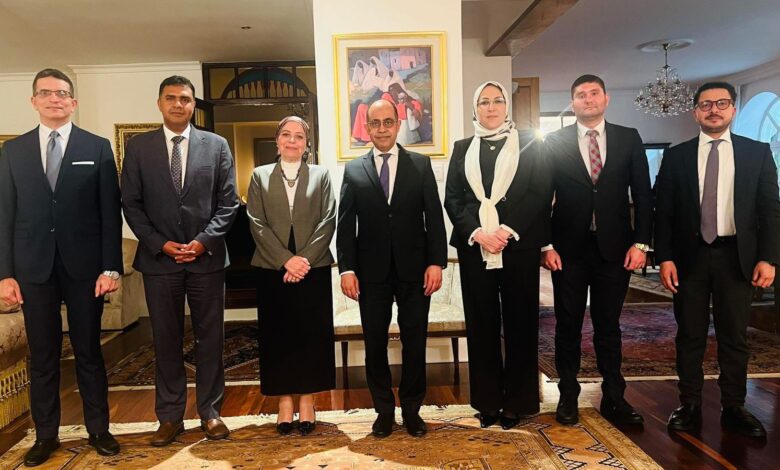
The Egyptian Supreme Constitutional Court participated in the second high-level meeting of female judicial leaders in AfricaThe conference, which was held from April 21 to 23, 2026 in Sandton, Johannesburg, South Africa, was attended by Counselor Dr. Fatima Al-Razzaz, Vice President of the Court, and Counselor Sherine Hafez, Head of the Commissioners Authority, as part of supporting the role of women in judicial institutions at the continental level.
Diplomatic reception reflects the depth of relations
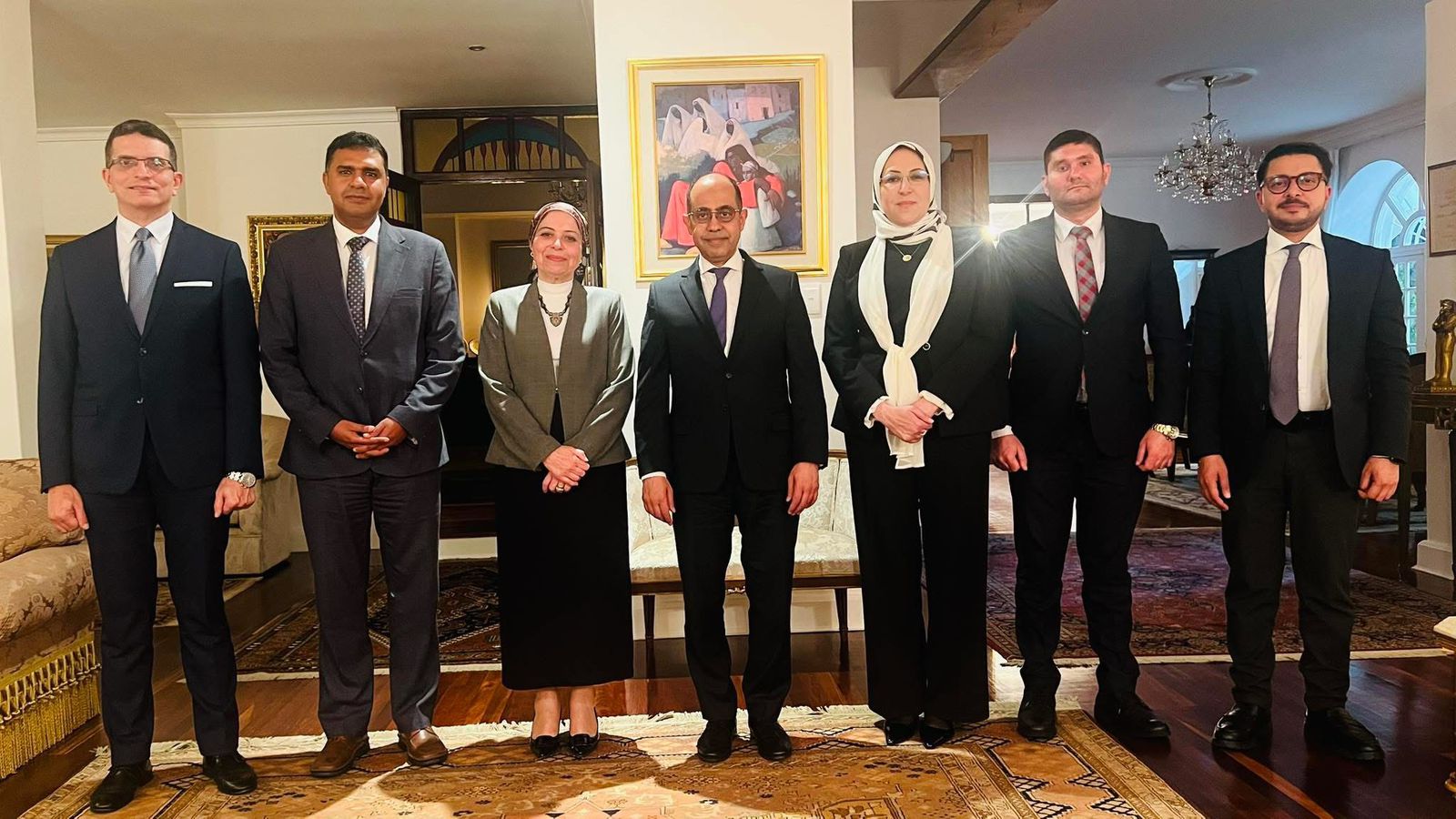
Ambassador Ahmed Sharif received the ambassador Egypt In Pretoria, the permanent representative of Egypt to the SADC group, the Egyptian judicial delegation, stressed the importance of this participation in strengthening legal and constitutional cooperation between Egypt and African countries.
This meeting reflects mutual appreciation and continued support for bilateral relations in the judicial field.
Growing constitutional cooperation with Africa
The Egyptian ambassador praised the remarkable progress in constitutional cooperation between Egypt and a number of African countries, especially South Africa and Botswana.
He pointed to the exchange of participation in judicial events, most notably the annual meeting of the heads of African constitutional and supreme courts and constitutional councils hosted by Egypt, which enhances the exchange of experiences and the unification of legal visions.
Key milestones in the judicial partnership
One of the most prominent manifestations of this cooperation is the participation of a high-level Egyptian delegation, headed by Counselor Fahmy Boulos Iskandar, in the celebration of the thirtieth anniversary of the establishment of the Constitutional Court in South Africa during June 2025, an occasion that reflects the depth of institutional relations between the two sides.
Agreements to enhance future cooperation
In the context of strengthening the partnership, two memoranda of understanding were recently signed between the Egyptian Supreme Constitutional Court and both the Constitutional Court of South Africa and the Supreme Court of Botswana, opening new horizons for cooperation in the areas of exchanging experiences and judicial training.
Growing role of women in the African judiciary
This participation reflects Egypt’s commitment to supporting women’s empowerment in the judicial field and promoting regional cooperation, which contributes to the development of legal systems in Africa and the consolidation of the principles of justice and the rule of law at the continental level.
This event also reflects the growing importance of women's role in African judicial institutions, where empowering women leaders has become a key focus in developing legal systems and strengthening justice. The participation of female judges from various countries, including Egypt, highlights the progress made in achieving gender balance within judicial bodies, as well as the exchange of expertise and experiences in addressing contemporary legal challenges.