Kenyan city of Lamu: An African treasure on UNESCO's list
Meeting point of African and Arab civilizations throughout the centuries
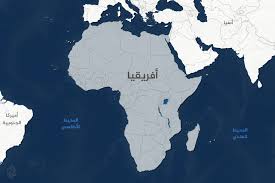
The countries of the African continent have stunning and unique landscapes, along with buildings with a rare architectural style that combines simplicity and authenticity. Even today, many people still lack knowledge of African cities that they have never set foot in before. Among these cities, the city of “Lamu”, located on Lamu Island off the coast of Kenya in the Indian Ocean, stands out.
The buildings of Lamu are characterized by a unique blend of African, Arabic, Indian and Persian architectural styles, and are arranged around narrow and winding streets.
Traditional techniques and local materials, such as coral, lime and mangrove poles, were used in its construction, which contributed to shaping its distinctive historical fabric.

Reason for the name
In Swahili, “Lamu” means “dwelling” or “settlement.” It was formerly known as “Amu,” while the Arabs called it “Al Amu,” and the Portuguese called it “Lamun.” The name is believed to derive from the early settlers who established a permanent community on the island.
Historical Overview

The city dates back to the 12th century and flourished in the early 13th century within a network of independent city-states along the East African coast. It was first mentioned by the Arab traveler Abu al-Mahani, who met a judge from Lamu during his visit to Mecca in 1441 CE, indicating that it was a large city at that time.
Over the centuries, traders from the Arabian Peninsula and India settled in Lamu, contributing to the emergence of a network of Swahili towns stretching from Mogadishu in the north to the island of Mozambique in the south, passing through towns such as Mombasa, Zanzibar and Kilwa.
In the 16th century, Lamu became a thriving seaport and an important trading center across the Indian Ocean, specializing in the export of ivory and timber in exchange for manufactured goods such as clothing and spices. Its inhabitants also acted as intermediaries between the African interior and foreign traders.

Population and language
The population of Lamu consists of four main groups: the Bagoni, the Sani, the Awer, and the Orma. The city reflects a rich cultural mix that blends African, Arab, Asian, and European traditions.
The dominant language is Swahili, which is one of the Bantu languages and has been influenced by Arabic and other languages. It includes multiple dialects such as Kiamau, Kibati, and others.
Climate and the economy
Lamu has a tropical climate, with a cool season from June to September and a hot and humid season from November to April. Rainfall is concentrated between April and mid-July.
The city's economy relies on agriculture, fishing, and tourism, along with handicrafts and trade. Key crops include maize, cassava, and rice, as well as cash crops such as cotton, sesame, and coconut.
Tourism and Lifestyle
Lamu is characterized by the absence of vehicles; goods are transported through the narrow alleyways using donkeys, giving it a unique character. Visitors arrive by boat at the port, then walk through the historic streets to hotels built in the traditional Swahili style.
The city has retained its authentic character thanks to its isolation and the absence of excessive modernization, which has helped it remain one of the best-preserved historic cities in Africa.
Culture and customs
Lamu is a center for cultural exchange between Africa, the Arab world, India and Europe, and this is evident in its arts and architecture.
Marriage in Lamu is characterized by rich traditional rituals, including processions, celebrations, wearing traditional costumes, as well as rituals for presenting dowries and gifts, and celebrating the bride and groom for several days.
local cuisine
Some of the most prominent dishes:
- Ugali: It is prepared from corn flour and is considered a staple food.
- Niyama Choma: Grilled meat, served with fresh sauces.
festivals
Lamu is famous for its cultural festivals, most notably the Lamu Arts Festival, which is held annually and attracts artists from all over the world.
Top tourist attractions
The ancient city of Lamu was listed as a UNESCO World Heritage Site in 2001 and is the oldest preserved Swahili settlement in East Africa.
Its most prominent landmarks include: Lamu Museum, the Old Town, Sheela Beach, and Lamu Fort.