Kenya leads the way... the first African country to launch "Linicapavir" at a price of $60 per year
A historic step in the prevention strategy
Written by Omnia Hassan
In a move that represents a major shift in the fight against HIV, Kenya The first African country to launch the drug Lenacapavir to prevent infection with the virus at an annual price of only about $60, after it was traded globally at a cost of up to $42,000 per year.
This development puts Kenya At the forefront of health innovation on the continent, it gives millions at risk of infection an unprecedented opportunity for effective protection.
A historic step in the prevention strategy
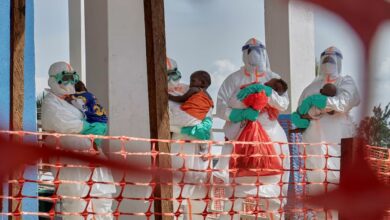
The Kenyan Ministry of Health announced the arrival of the first shipment of 21,000 doses of a long-acting drug, administered via injection only twice a year. The doses will be gradually distributed across 15 counties with high infection rates, as part of a national plan targeting the most vulnerable populations.
Achieving protection exceeding 99% during use
Linicapavir is distinguished by its ability to achieve protection exceeding 99% when used correctly, as confirmed by the World Health Organization and the recommendations of the US Food and Drug Administration.
From astronomical cost to widespread availability
The global price of the drug was a major obstacle to its adoption in low- and middle-income countries. However, funding partnerships and technical support from international organizations, including the Global Fund, enabled Kenya to reduce the cost to an unprecedented level.
According to the implementation plan, the medicine will be made available free of charge in public health facilities to eligible beneficiaries during the first phase, which promotes health equity and expands the scope of community prevention.
Direct impact on public health
Statistics estimate that more than 1.4 million people are living with the virus in Kenya, with thousands of new infections recorded annually.
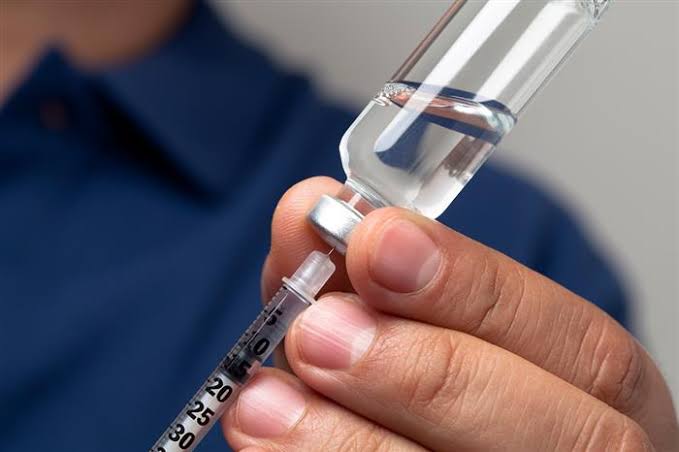
Semiannual injections are seen as a practical and effective alternative to daily pills for prevention, as they increase adherence to preventive treatment and reduce the chances of forgetting or interruption, which directly reduces the rates of new infections.
A replicable African model
The Kenyan experience opens the door for other African countries to adopt the same model through similar agreements, especially with the increasing calls to expand access to innovative medicines at fair prices.
This step is expected to accelerate continental efforts to achieve the goal of ending AIDS as a public health threat by 2030, through more effective and sustainable preventive solutions.