The Lubit tribe in South Sudan: A rich cultural heritage that defies the changes of the times
A mountain community that preserves its identity amidst modern transformations
Written by: Mohamed Ragab
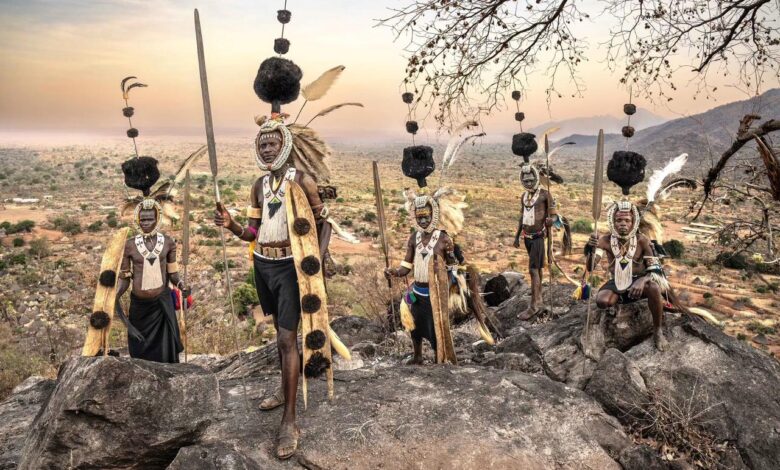
In the hills and highlands of Eastern Equatoria State in South Sudan, the Lobit tribe continues to hold fast to its customs and traditions passed down through generations, remaining one of the most prominent ethnic groups that have succeeded in preserving their cultural identity despite the social and economic changes taking place in the country.
The tribe is known for its close association with agriculture and livestock breeding, as the inhabitants rely on these activities as a primary source of livelihood, while the mountainous environment in which they live forms an essential part of their daily lifestyle and local culture.
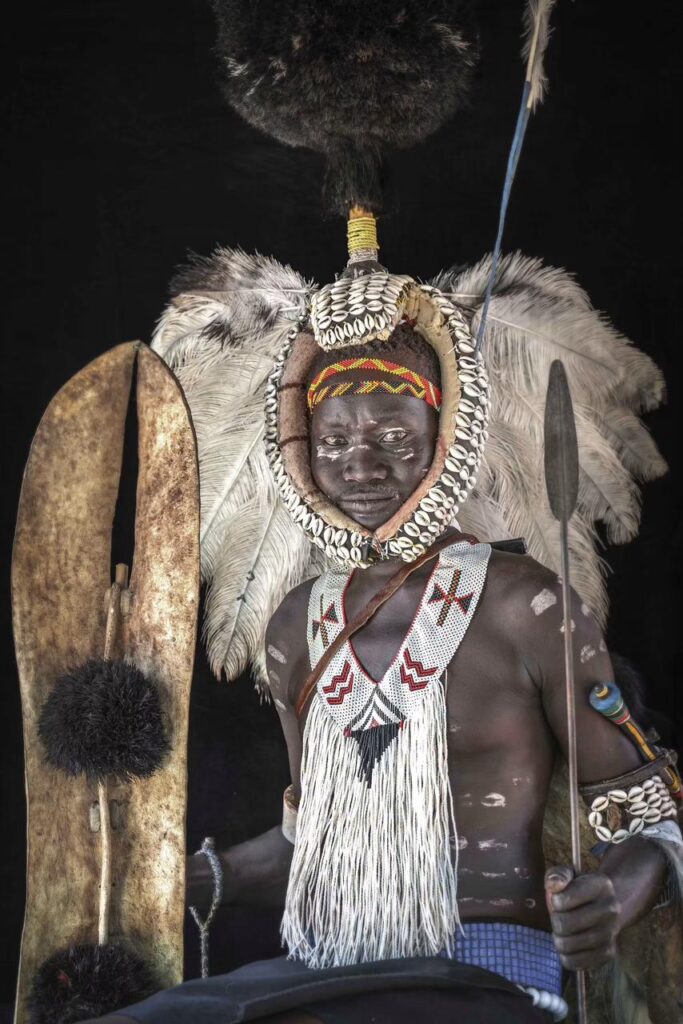
Ostrich feathers... a symbol of social status
Despite the many cultural features that distinguish the Lopet people, the headdresses decorated with ostrich feathers remain the most famous symbol of the tribe.
These coverings appear during celebrations, traditional events and folk dances, where their function is not limited to decoration only, but also reflects the social status and role that the individual plays within society.
Those interested in African heritage say that these head coverings represent a symbol of the tribe's cultural identity, and embody the values and customs that the local community has preserved for decades.
Music and dance at the heart of social life
Music and folk dances occupy a prominent place in the lives of the people of the Lupit, as drums and traditional rhythms are an essential part of communal celebrations and social events.
These events bring together members of the community in an atmosphere that reflects the spirit of solidarity and belonging, and they contribute to passing on cultural heritage from one generation to the next, which helps to preserve the popular heritage in the face of modern cultural influences.
Preserving heritage despite the challenges
With increasing modernization and openness to the outside world, the tribe faces challenges in preserving its cultural heritage. However, the Lupit people remain committed to reviving their traditions and social and artistic practices as integral to their collective identity.
Researchers believe that the Lobit experience reflects the importance of the cultural diversity that characterizes South Sudan, and also highlights the role that local communities play in protecting and preserving African heritage for future generations.
A cultural heritage that reflects the diversity of South Sudan
The Lubit tribe remains an example of the rich cultural heritage of South Sudan, where traditions, customs and folk arts come together in a way that reflects a long history of connection to the land and society.
At a time when the pace of change is accelerating around the world, the tribe's members continue to hold on to the elements of their cultural identity, emphasizing that heritage is not just a past to be recounted, but a living part of their present and future.