Ethiopia is recovering economically with strong growth, but Tigray threatens billions of dollars in gains.
A remarkable growth leap after years of challenges
Written by Omnia Hassan
I registered Ethiopia A remarkable economic growth rate exceeding 10% during the fiscal year 2025-2026, in a clear indication of a strong recovery after years of slowdown and internal pressures.
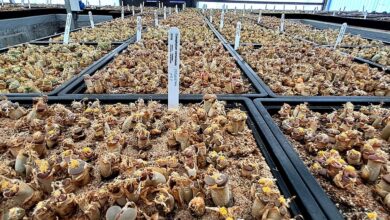
This performance was driven by increased exports in EthiopiaAgricultural production has improved, gold and coffee yields have risen, and there has been a gradual return of confidence to foreign investors.
This percentage is among the highest in Africa today, reflecting the impact of economic reforms aimed at macroeconomic stability and enhancing the business climate.
Structural reforms with international support boost confidence
The government worked to implement a package of structural reforms in cooperation with the International Monetary Fund, focusing on liberalizing the exchange rate, improving public financial management, and enhancing transparency in the market.
These steps contributed to raising foreign exchange reserves relatively, containing inflation rates compared to previous years, and creating a more attractive environment for investment in the energy, infrastructure and transport sectors. These indicators strengthened the confidence of international financial institutions and investors in the ability of the Ethiopian economy to regain its momentum.
Tigray is a political knot that threatens the economic path
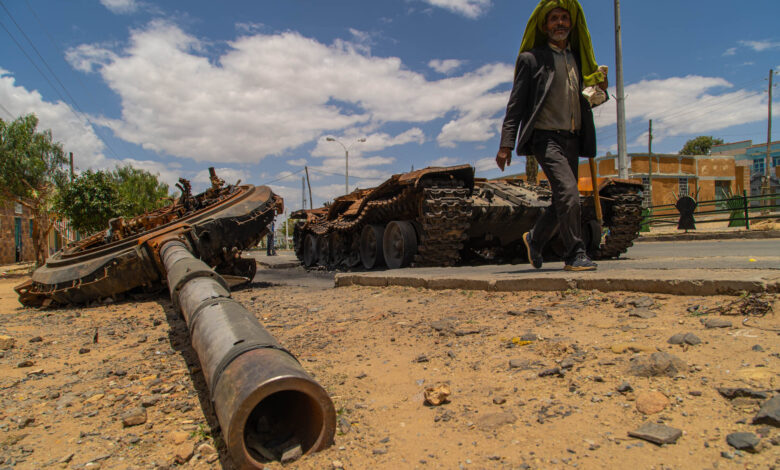
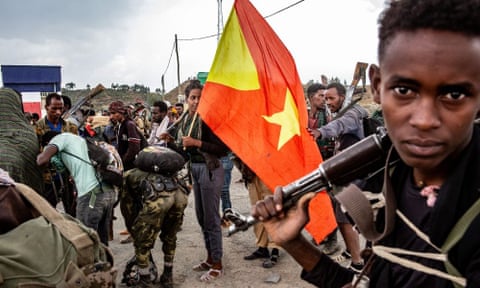
Despite the gains, the political and security crisis in the Tigray region remains a major concern. After the peace agreement that ended the war between the federal government and the Tigray People’s Liberation Front, political tensions have resurfaced with movements within the region that have revived the specter of division. These developments raise fears of a possible resurgence of instability, with direct repercussions for investment, trade, and supply chains.
Billions of dollars in gains are at stake
The expected economic gains over the coming years are estimated at approximately $125 billion from investments, exports and cumulative growth.
However, any security setback could prompt investors to pause or withdraw, raising the cost of financing and debt, and slowing the pace of growth. Political stability is therefore essential for the continuation of reforms and for realizing their benefits on the ground.
Political stability is key to sustainable growth
Ethiopia’s economic recovery remains dependent on consolidating internal peace and comprehensively implementing political agreements. The success of current growth depends not only on the numbers, but also on the state’s ability to manage the balance between economic reform and containing political tensions, to ensure a stable environment that maintains local and international confidence and supports the path of sustainable development.