Central African Republic plans to create a fuel import corridor through Congo
The project aims to diversify supply sources.
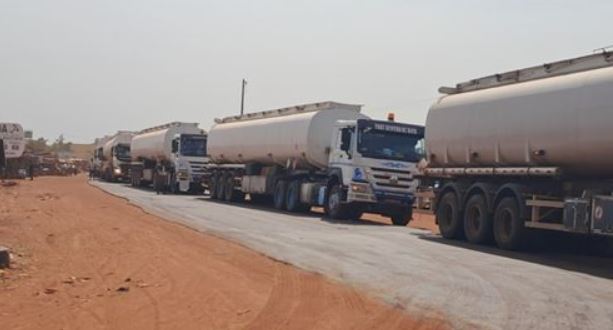
The Central African Republic is considering a comprehensive overhaul of its fuel supply chains. In this regard, talks were held between the Minister of Hydrocarbons, Arthur Bertrand Biry, and his Congolese counterpart, Bruno Jean Richard Etoua, concerning the energy corridor project linking the Atlantic coast to Bangui, with Pointe-Noire as its hub.
The core of the discussions revolves around a plan to establish a system for receiving, storing, and transporting petroleum products from the Congolese coast to the Central African market.
Logistics supply chain
Both sides have tasked their technical agencies with developing the implementation details. The goal is to create a detailed operational plan covering the entire logistics supply chain, from the arrival of hydrocarbon materials in Pointe-Noire to their distribution in Bangui, in accordance with strict standards of safety and efficiency.
This initiative aims to diversify supply routes given the heavy reliance on the Douala-Bangui corridor. Currently, over 801 T3 T of the Central African Republic's imports pass through the Cameroonian port of Douala, making this route a vital artery but also a source of risk.
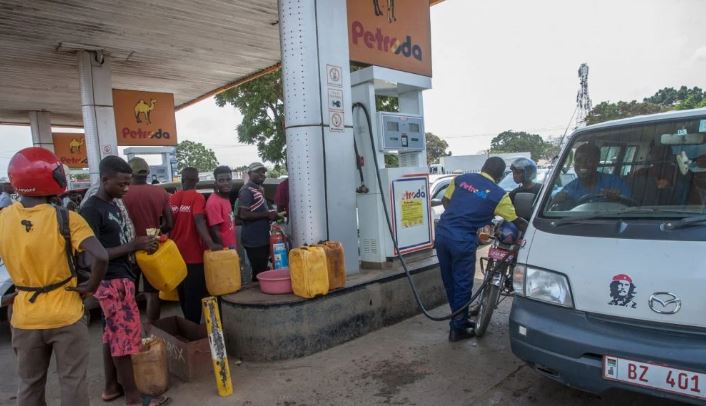
This concentration exposes the Central African Republic to operational risks, particularly in the event of logistical disruptions, as well as high transit costs that economic actors consider expensive.
Regional alternatives face structural constraints
Central Africa’s strategy reflects a broader trend involving many landlocked countries in Central Africa. Facing similar constraints, Chad has in recent years held talks with various coastal partners, including Equatorial Guinea, Benin, and Egypt, to diversify its port access.
However, the development of these alternative routes remains constrained by structural challenges. Geographical distance is a key factor that can increase logistical costs, and it also requires crossing one or more developing countries to reach the infrastructure of the target port.
In the case of Central Africa, transit options include passing through Cameroon, Gabon, or the Republic of Congo. For Chad, reaching Equatorial Guinea, for example, requires transit through Cameroonian territory.
These routes require negotiating robust transit agreements with intermediary countries, which is a prerequisite for ensuring the viability of any new corridor.