The donkey's name and history: Farmers in Kenya are implanting microchips in donkeys to combat theft.
Electronic chips implanted in donkeys in Kenya
Written by: Ayman Ragab
In a scene reflecting the escalating donkey theft crisis in Kenya, farmers in Kitui County have turned to modern technology to protect their livelihoods by implanting microchips in donkeys to track them and reduce theft, amid the continued activity of illegal slaughter and trafficking networks.
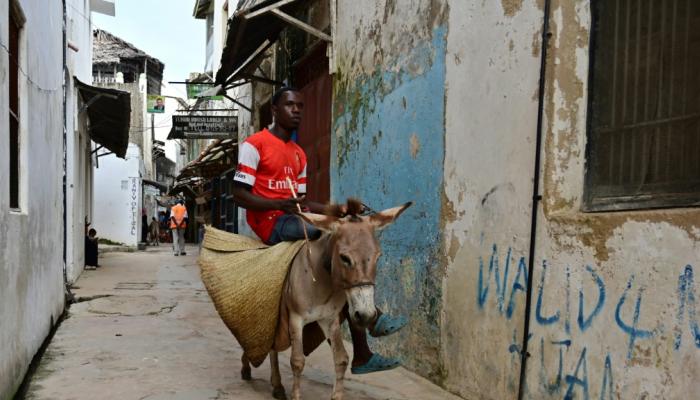
This move comes at a time when a severe transport crisis looms in several areas, including Lamu, with growing concerns related to fuel shortages and the heavy reliance on donkeys to transport water, crops, and goods within rural communities.
Although the Kenyan government closed illegal donkey slaughterhouses in 2020, claiming their operations were ineffective, the illegal slaughter of donkeys continues, exacerbating the suffering of rural families and threatening their livelihoods, especially in light of increasing climate volatility.
The donkey theft crisis cast a shadow over the celebrations of World Donkey Day, which took place last Friday in the town of Ngoutani in Kitwe district, where Rukia Chichi, deputy commissioner of Megwani district, warned of the seriousness of the situation, saying: “If we are not careful, donkeys will be wiped off the face of the earth in a short time.. We have a moral duty to protect donkeys for future generations.”.
To combat this phenomenon, the Catholic Diocese of Kitwe, which is leading efforts to promote donkey welfare, has adopted Radio Frequency Identification (RFID) technology.
Caritas, the development arm of the diocese, has begun implanting electronic chips inside donkeys in order to enhance their protection against theft.
These chips contain essential data including the donkey's name, medical history, and owner's identity, allowing it to be easily tracked even amidst crowds and livestock markets.
Florence Ndti, director of Caritas, told The Nation on the sidelines of the celebrations: “We started by implanting microchips in the donkeys we relocated before expanding the program to include all donkeys in Kitwe County.”.
She added: “When a donkey goes missing, we deploy radio frequency identification (RFID) scanners in livestock markets to track it down.”.
The program has contributed to enhancing farmers' sense of security.
“We feel relatively safe,” said farmer Redimbeta Ndongwa, one of the beneficiaries of the free program. “Thieves cannot easily find the electronic chip to tamper with it.”.
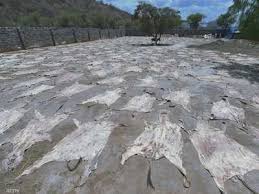
The spread of this technology comes amid rising global demand for donkey hides, especially from China, where they are used in the production of “ejiao,” a traditional Chinese medicine.
Raphael Kinotti, CEO of Brook East Africa, explained that “the growing demand for donkey hides in China is driving their illegal slaughter in Kenya.”.
He added: “China has turned to Africa to meet its growing demand for ejiao, following a sharp decline in donkey numbers in recent years.”.
Kitwe County, which has the largest donkey population in the country, is paying a heavy price for this trade. Just three weeks ago, police seized a truck carrying 3,721 donkey hides on the Neka-Garissa highway.
Ms. Chichi revealed a series of recent security operations, saying: “In December of last year, we intercepted 136 donkeys being transported in the Mwengi area, and in February, we intercepted 38 donkeys in the same area. In March, we intercepted 62 donkeys in the Ngoutani area.”.

The ongoing protests by donkey owners have prompted authorities and relevant bodies to intensify their efforts against the illegal trade.
Slaughtering donkeys is illegal in Kenya, and the country has joined other African Union countries that have banned the slaughter of donkeys for their hides.
The African Union had adopted a resolution in 2024 to stop the slaughter of donkeys for this purpose for a period of 15 years.
Despite the high hopes placed on RFID technology, it is not without its challenges.
According to experts, this technology cannot prevent the slaughter of donkeys, and its effectiveness is limited to cases where manual scanning devices can be used, making it of limited use when animals are transported to remote areas.
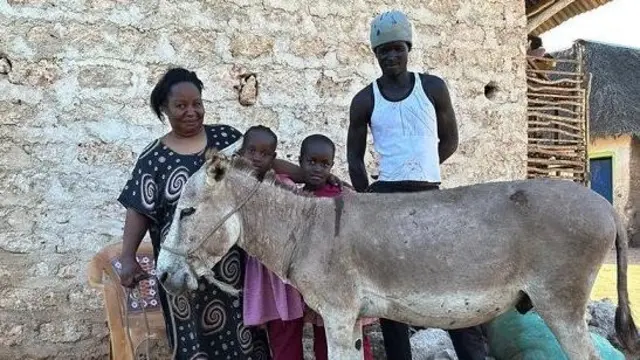
In this context, Ambrose Musimi, the director in charge of the “Mtunzi Bunda Ekutunzi” donkey care program at Caritas, revealed future plans to develop protection mechanisms, saying: “We are looking forward to deploying GPS tracking technology in cooperation with the government, as it makes it easier to track donkeys via phone.”.