Kenya's national team achieves a remarkable feat at the Huawei Global Competition finals in China
An achievement that reflects the excellence of Kenyan youth in the fields of technology and digital innovation
Written by: Mohammed Omran
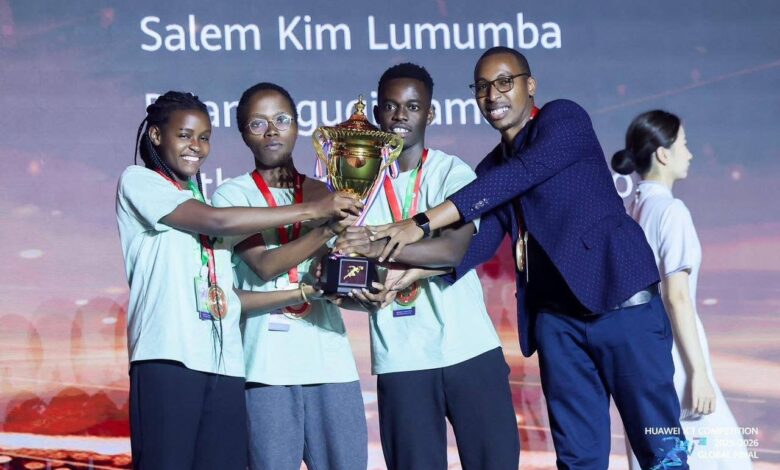
The national team achieved Kenya A remarkable achievement in the Huawei ICT Competition World Finals, held in Shenzhen, China, after a strong performance and competition with an elite group of the best teams from around the world.
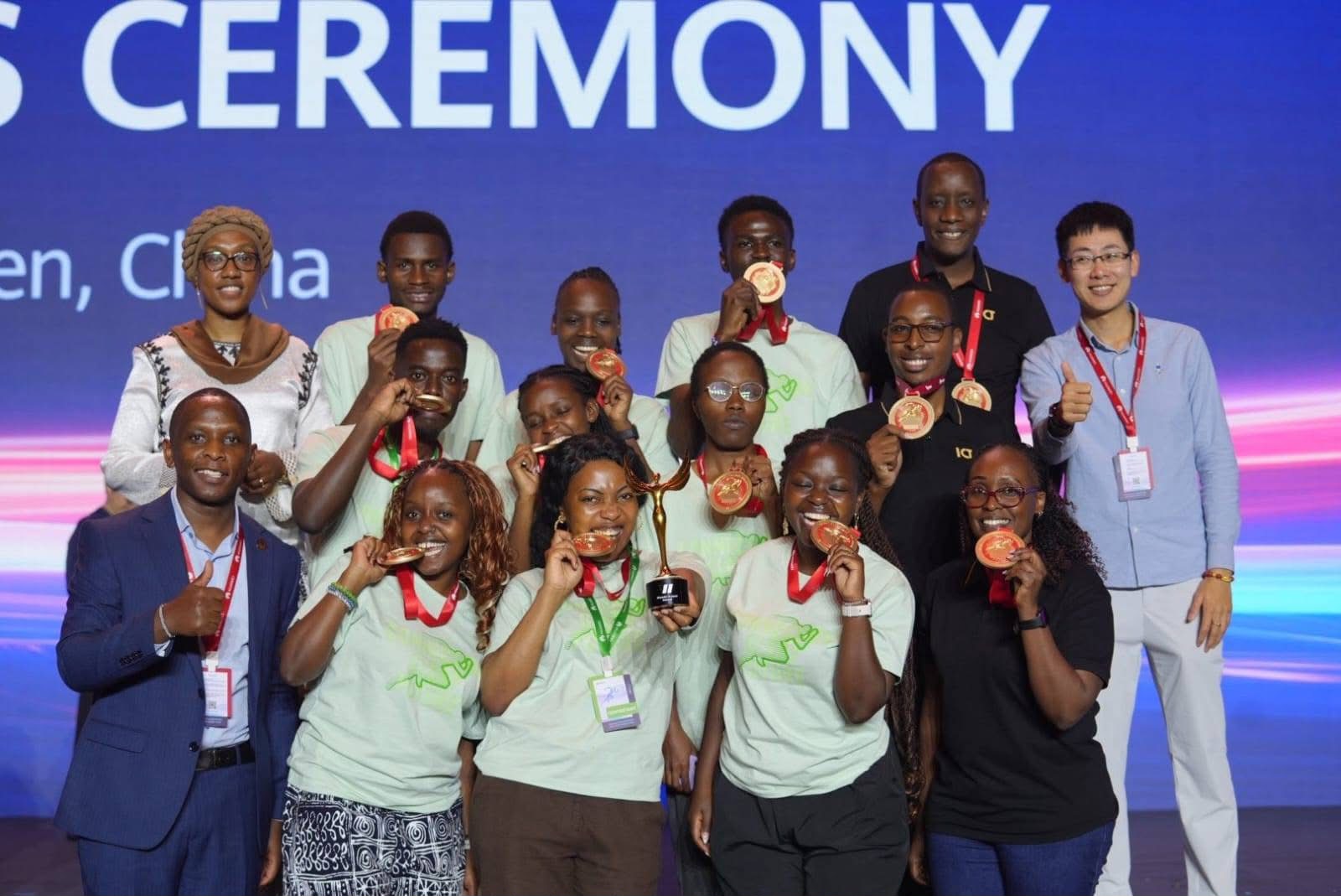
This achievement reflects the level of competence and talent possessed by Kenyan youth, and their ability to compete and excel in the fields of digital economy and modern technology at the global level.
The relevant authorities confirmed that this success reinforces the state’s efforts to invest in information and communication technology, develop digital skills, and support innovation among young people, which contributes to consolidating Kenya’s position as a leading center in the digital economy.
This excellence is a source of national pride and provides a new incentive for future generations to continue excelling in the fields of science, technology and innovation.
Egypt supports Kenya in organizing the 2027 Africa Cup of Nations.
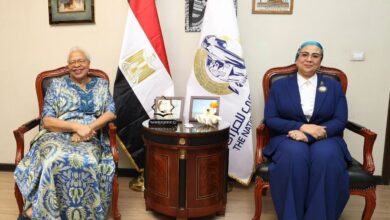
In another context, Ambassador Hatem Yousry Hosny, Ambassador of the Arab Republic of Egypt to Republic Kenya on Friday, Nicholas Musonye, Chairman of the Joint Organizing Committee for the 2027 Africa Cup of Nations “Bamoga Afkon”, at the Egyptian Embassy in the capital, Nairobi.
During the meeting, the Egyptian ambassador expressed Egypt’s congratulations to Kenya on its upcoming hosting of the continental championship, in partnership with Tanzania and Uganda, praising this step which reflects the spirit of regional cooperation in East Africa, and at the same time affirming Egypt’s full support for the three countries in their efforts to organize a successful and distinguished edition of the championship.
For his part, Musoni reviewed the most prominent preparations underway in Kenya to host the continental event, noting that the tournament will be held from June 19 to July 17, 2027, within the framework of joint coordination between the three countries to ensure the highest levels of organization.
At the conclusion of the meeting, both sides agreed to continue coordination and explore opportunities for sports cooperation between Egypt and Kenya, in order to support the success of the 2027 Africa Cup of Nations and enhance the sports partnership between the two countries in the coming period.
The draw for the qualifiers for the 2027 Africa Cup of Nations finals resulted in Egypt being placed at the top of Group B, along with Angola, Malawi and South Sudan.
The draw was held in the Grand Conference Hall at the headquarters of the Egyptian Football Association in the city of 6th of October, in the presence of representatives of the 48 national teams participating in these qualifiers, in addition to the leaders of the African Union, Dr. Mustafa Azzam, Secretary General of the Egyptian Football Association, and guests of honor, Ivorian Max Gradel, Nigerian William Ekong, Congolese Tresor Mabi Mputu, in addition to Essam El-Hadary, one of the greatest goalkeepers in the history of the continent.
The 48 teams participating in these qualifiers were divided into 12 groups playing a home-and-away league, with the first and second teams of each group qualifying for the finals, taking into account the qualification of the Kenyan, Tanzanian and Ugandan teams, regardless of their results in the qualifiers.