Men with wigs... How do the Holi people of Papua New Guinea preserve centuries-old traditions?
Unique traditions have made it a focus of attention for researchers
Written by Omnia Hassan
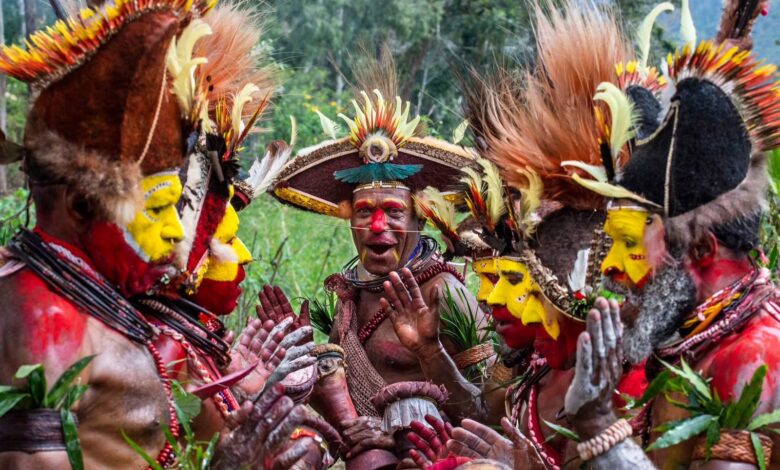
High in the mountains of the province Hila In Papua New Guinea, the Huli people live, one of the country's largest and most distinctive ethnic groups.
While the pace of modern life accelerates around the world, this people still maintains unique traditions that have made them the focus of attention for researchers, photographers and tourists, most notably the tradition of “Huli Wigmen.”.
An ancient people in the heart of the highlands
The Holi belong to the indigenous Melanesian peoples, numbering more than 250,000, who traditionally depend on agriculture, especially the cultivation of sweet potatoes, which constitute their staple food, while pigs occupy an important place in their social and ceremonial lives, as they are used in traditional occasions and rituals.
Community life is based on a clan system and land ownership, along with a set of social rules that regulate marriage, alliances, and relationships among members of the community.
A long journey towards manhood
What distinguishes the Holi people most is the tradition of making wigs from the hair of the men themselves. This journey begins in childhood, as boys leave their mothers’ homes between the ages of eight and fifteen to live with their fathers or male relatives, where they learn the roles and responsibilities of men and the traditions of society.
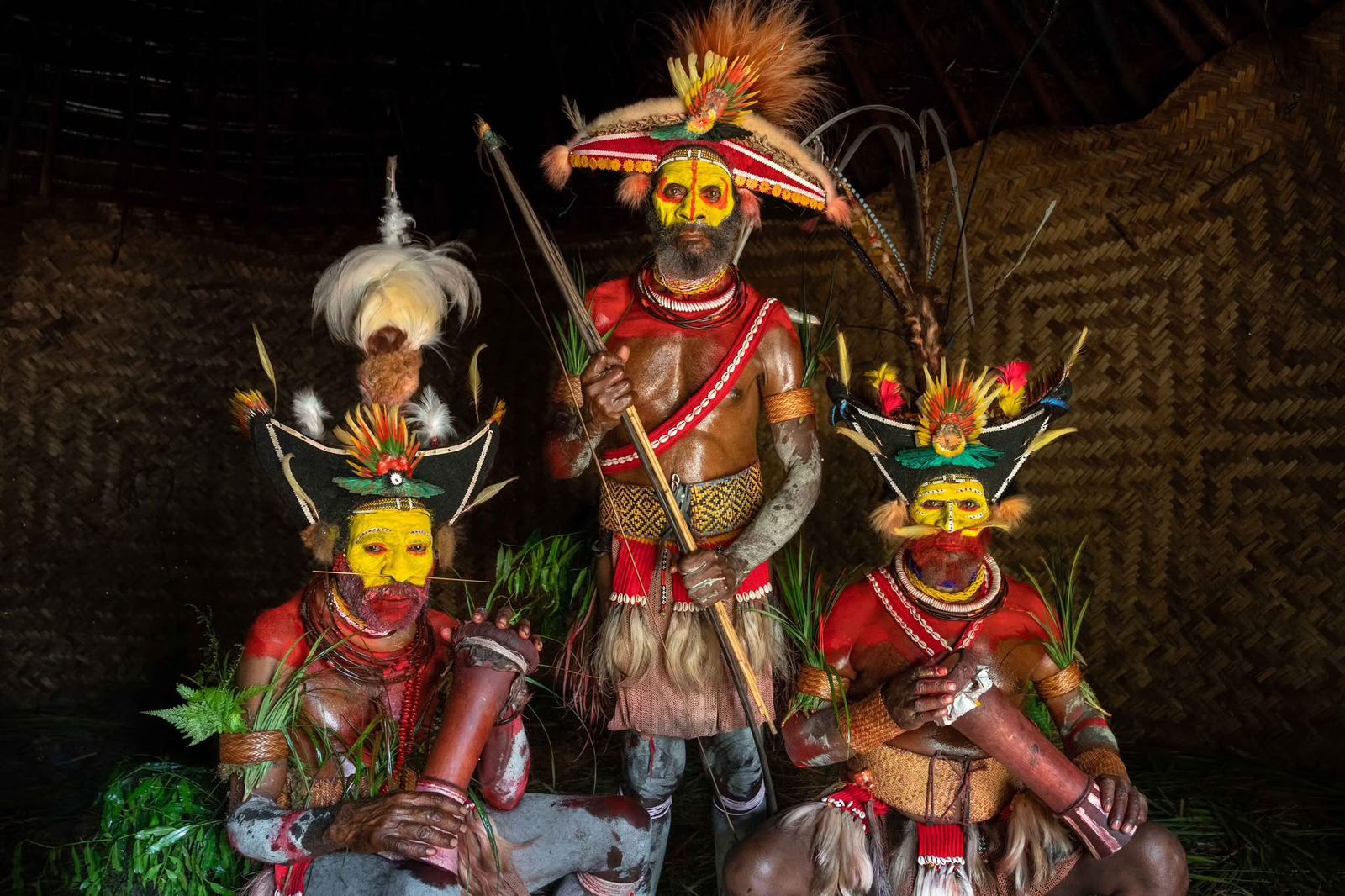
During these years, they allow their hair to grow with great care, and it is shaped using plant fibers and natural materials until it acquires the distinctive round shape required for making wigs.
A symbol of identity and belonging
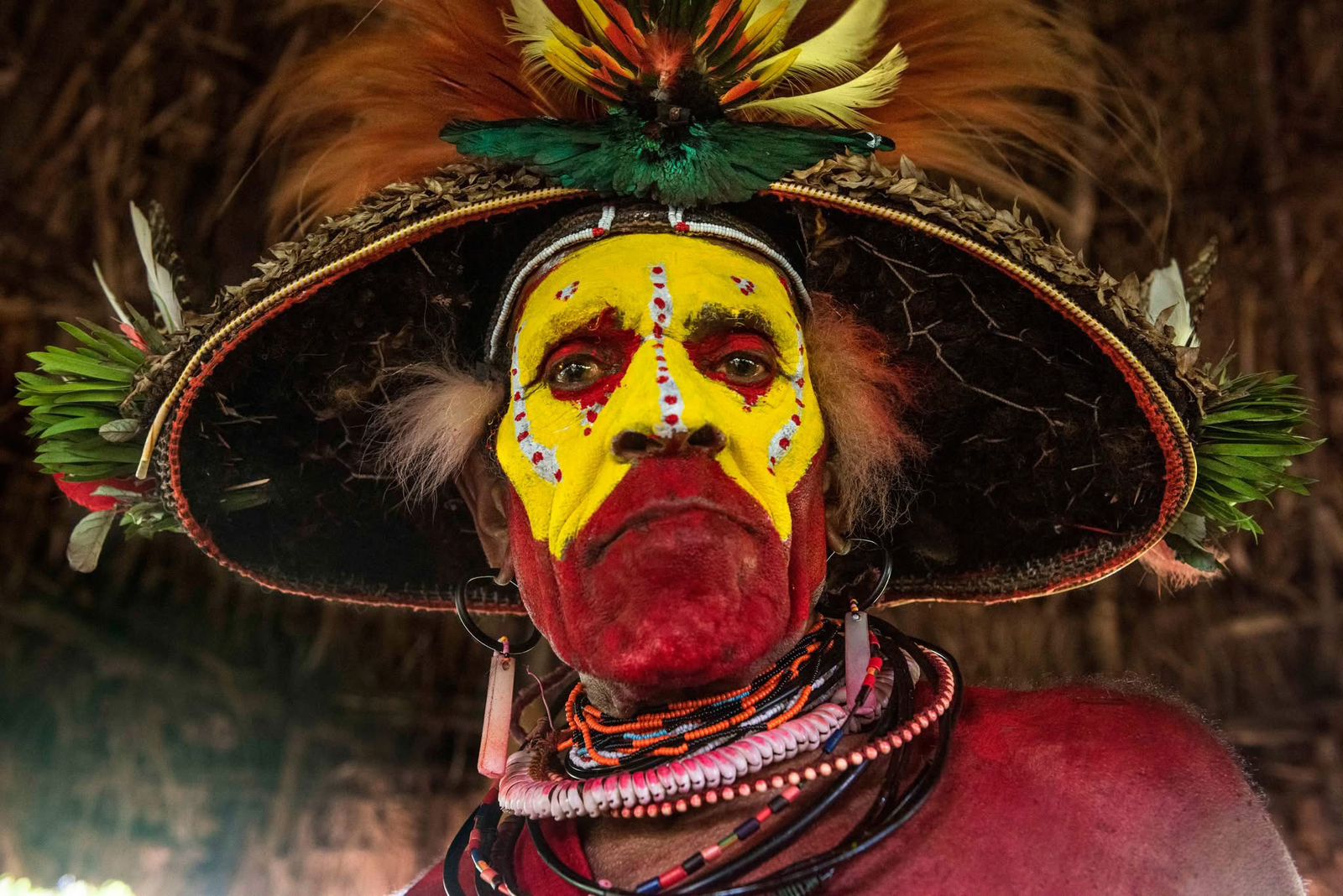
When the hair reaches the appropriate length, it is cut and delivered to a specialist known as the ”wig master,” who transforms it into a unique ceremonial piece, sometimes decorated with feathers, leaves, and shells.
Completing this process is an important condition before marriage, and it represents an official declaration of the young man's transition to adulthood and his recognition by society as a fully-fledged man.
A heritage that resists time
Holi men wear these borrowed hair during celebrations, dances and major social events, along with painting their faces in yellow, red and white colors extracted from natural materials, which carry connotations related to strength, fertility and ancestral spirits.
Despite the integration of many Holi people into modern economic and political life, these rituals still form an essential part of their cultural identity, remaining a testament to the ability of indigenous peoples to preserve their heritage amid a rapidly changing world.