Due to the wage crisis in the mining sector, iron ore production in Guinea faces challenges.
Guinea hopes that the Simandou project will be to it what oil is to the Gulf states.
Written by Ziad Abdel Fattah:
The wage crisis in Guinea's mining sector is casting a shadow over production, especially after the implementation of Guinea A unified mining wage structure is planned for 2025 with the aim of standardizing wages and reducing disparities in the sector, which would affect the West African nation's dream of becoming one of the world's largest producers of iron ore.
Miners in Guinea strike over wage dispute
Recent reports have revealed that striking workers, due to a wage dispute, have halted mining operations since last week in two areas of the project. Simando Guinea’s iron ore giant, which is operated by a consortium led by China’s Baowo Resources, the world’s largest steelmaker.
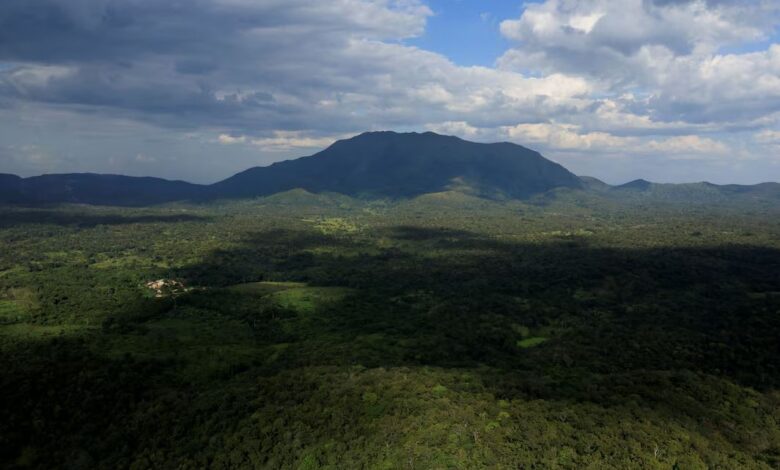
The Simandou mine in Guinea is the largest and richest untapped reserve of high-quality iron ore in the world. Exports began in late 2025, while the project cost $20-23 billion and includes a huge infrastructure including a 600-650 km railway. It is expected to change the global iron trade map, making Guinea one of the world's largest iron producers.
A project advisor and two union representatives said that blasting, loading, transporting, and dumping operations had stopped, although railway and port operations continued, and that Management and workers were holding talks on Wednesday, adding that the strike – the first in the Bawo joint venture – involved about 3,000 workers.
A unified wage structure for the mining sector in Guinea
Guinea implemented a unified mining wage structure in 2025 with the aim of standardizing wages and reducing disparities in the sector. A Guinean mining executive told Reuters that most companies operating in the sector are now generally committed to this structure.
But BWCS workers walked off the job on April 28, claiming the company had failed to implement the new pay scale, the adviser and union representatives said.
Currently, there are no mining activities, and there is a direct impact on production. Management needs to find a quick and urgent solution.
The project is located in the southeast of the country and is divided into 4 operational blocks; Blocks 1 and 2 are controlled by Winning Consortium Simandu, backed by Chinese companies, including China Baowoo Steel Group, while Blocks 3 and 4 are owned by Rio Tinto and Aluminium Corp of China (Chinalco).
A source in Baou said the workers are seeking parity with their counterparts in the southern blocks 3 and 4 in Simandou, which are extracted by Simfer, a joint venture between Chinalco, Rio Tinto, and the Guinean state.
A truck driver who has worked for BWCS since 2020 says his salary is two to three times less than that of his colleagues at Simfer, according to Reuters.
He said the company asked workers to accept low wages during the mine's development period and promised to increase wages once production began, but the salary increases never materialized.
The Simando mine contains the world's richest iron ore deposits.
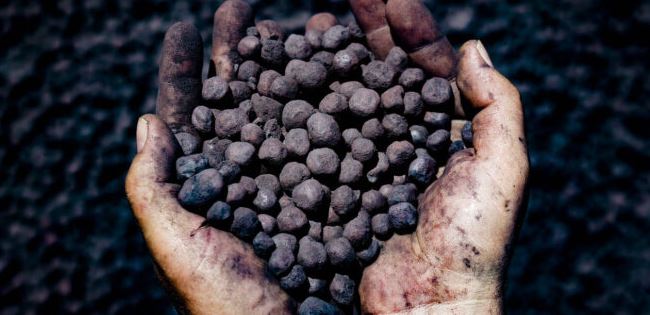
The Simandou mine, which contains the world's richest untapped iron ore deposits, began exporting iron ore in November after decades of delays, and its peak production is expected to reach 120 million metric tons of iron ore per year.
BWCS employed more than 10,000 workers during the construction of the mine, railway and port infrastructure, and is now downsizing as production increases.
Guinea seeks to make Simandou for itself what oil was for the Gulf states, as the country expects to be part of any discussions about iron ore in the world, noting that thanks to the agreements that have been signed, it has the ability to influence the world's iron ore market.