Mauritania: A huge gold reserve is looking for an investor
Gold trading opportunities in Mauritania
Written by: Ayman Ragab
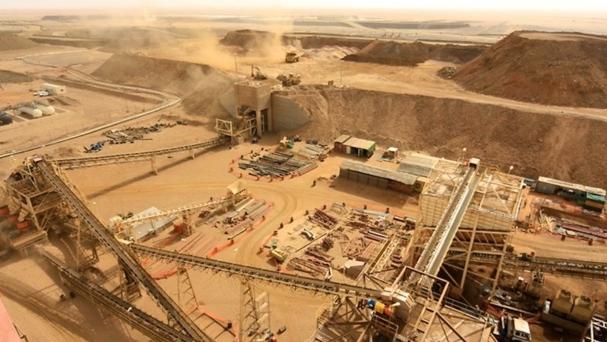
Gold is a major mineral product among those extracted in Mauritania, but despite estimated reserves of around 800 tons, most of the industrial gold production still comes from One mineIt has been experiencing a decline in production since 2025.
This April, Montague Gold announced that it had obtained five gold exploration licenses covering an area of 2,103 square kilometers in northern Mauritania.
While the Tasiast mine, the country's main gold mine, is experiencing a structural decline in production, the entry of this Canadian company embodies the ongoing efforts in Nouakchott to better exploit the country's gold potential, according to Ecofin.
Gold mining areas in Mauritania
The obtained licenses are divided into two distinct geological zones, four of which are linked to the Safari Cut area, while the latter, called Zidnis, is located in Geological formation It is considered suitable for orogenic gold deposits.
Montag Gold will own all the safari licenses, allocated to it directly by the Mauritanian authorities.
Regarding the Zidnes license, the company reached an agreement with its holder, the Mauritanian company SOCIEX, to acquire 80% of rights, subject to customary approvals.
In return, Montague Gold commits to financing all exploration work up to the acquisition of a mining license, after which SOCIEX has the right to choose to contribute its share or convert it into a net return from the smelter at a rate of 1%.
An initial budget of US$2 million has been allocated for 2026 for geological surveys, geophysical surveys, and soil sampling. Drilling of approximately 15,000 meters is planned for the last quarter of the year.
Mauritanian gold is held hostage by a single mine.
According to Montague Gold, the licenses it recently obtained in Mauritania were awarded following a competitive bidding process. Without going into details about granting exploration licenses to other major international companies in the coming months, this bidding confirms the Mauritanian government's commitment to attracting new investments in the gold sector.
This strategy can be justified by the country’s current dependence on a single entity.
Mauritania produced more than 25 tons of gold in 2023, including semi-industrial production and artisanal mining.
The Extractive Industries Transparency Initiative (EITI) estimates that the Tasiast gold mine accounted for 77.09% of this total, compared to 3.24% for the Guelb Megrine (MCM) mine. The country’s only other industrial gold mine, operated by Canadian company First Quantum Minerals, produces gold as a by-product of copper mining.
Tasiast accounted for 28.731 TP3T of total mining company payments in 2023, a percentage lower than its contribution to production, yet it remains the second-largest tax contributor in the extractive sector, after SNIM (iron ore). This dominant position coincides with a shift in its mining strategy.
After the mine produced 622,394 ounces in 2024, it decreased by 23% in 2025, as a result of the shift to processing lower-grade ores.
Kinross expects production to stabilize in 2026 at around 500,000 ounces, with no forecast to exceed 600,000 ounces before 2028.
The site's total sales in 2025 also decreased by 20% year-on-year, amid rising gold prices during that period.
Waiting for the mines of the future
According to the Mauritanian government, the country's gold reserves exceed 25 million ounces, or more than 777 tons.
Tassiast, the Canadian owner of Kinross Gold, indicates proven and probable reserves of 4.4 million ounces as of December 31, 2025.
Therefore, Mauritania still possesses large untapped gold reserves, which are expected to attract investors given rising prices and increasing global demand for gold.
However, reducing Mauritania’s dependence on the Tasset gold mine will take time. Between initial exploration work and the discovery of the resources needed to build and open the mine, several years, and sometimes more than a decade, usually pass.
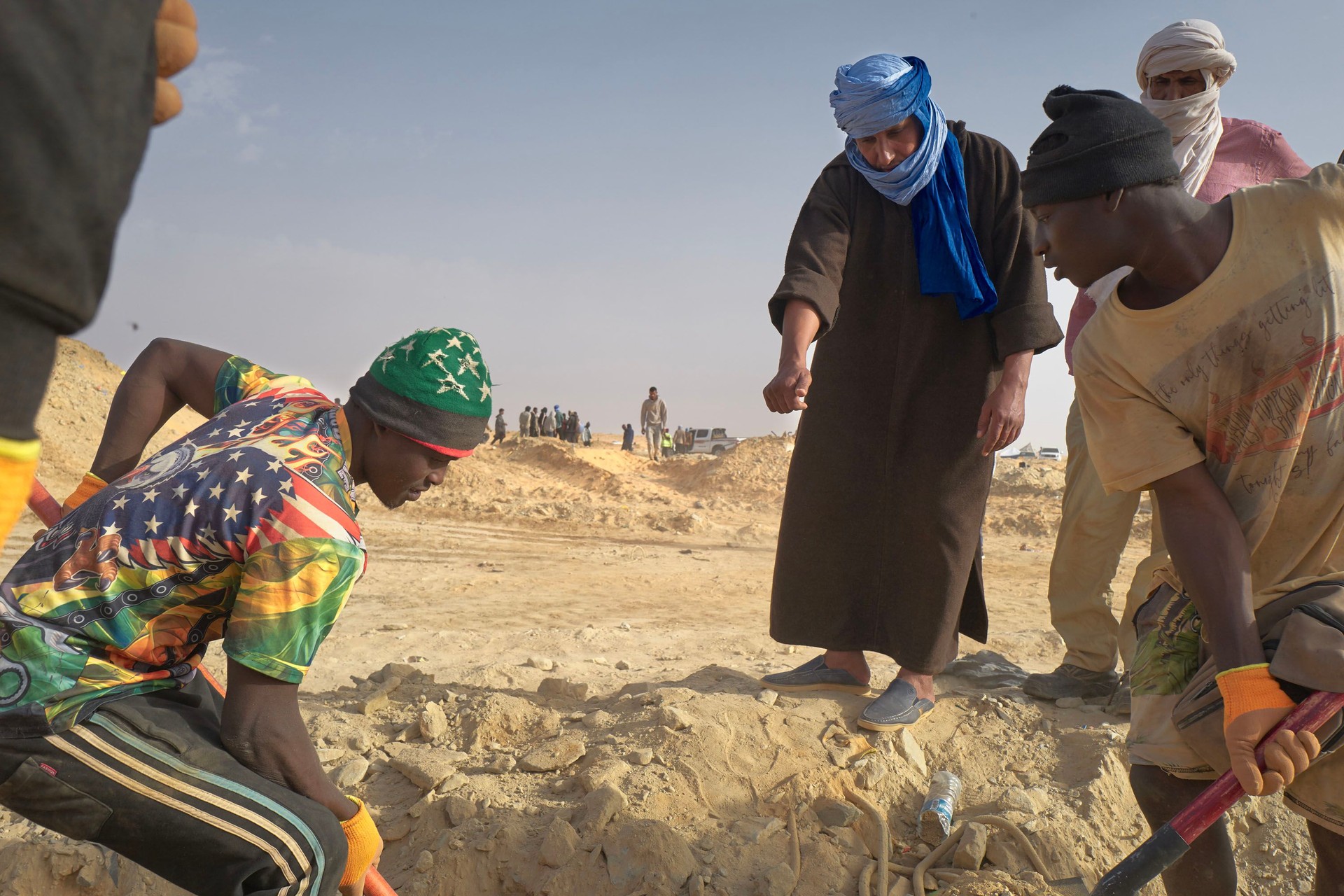
Meanwhile, the country can rely on artisanal and small-scale mining. This sector officially produced 14.7 tons of gold between 2020 and August 2024, supported by the efforts of the Mauritanian Mining Agency, which was established in 2020 to regulate this activity. However, the authorities need to improve this strategy, as some production is still not officially registered.
According to calculations by the Swiss Agency for Development and Cooperation (SWISSAID) based on official Mauritanian figures and gold production estimates issued by the National Mines and Energy Authority (EMAPE), approximately 30 tons of gold may have left Mauritania secretly between 2016 and 2022, i.e., since the beginning of the gold rush, according to a report issued by the Swiss organization published in October 2024.