The United Nations warns of a worsening Ebola outbreak and the threat of famine in Africa.
Increasing health and humanitarian risks in the African continent
Mohamed Ragab
The United Nations has warned of deteriorating humanitarian conditions in a number of African countries as a result of the continued outbreak of the Ebola virus and the worsening food insecurity crisis caused by the climatic effects associated with the El Niño phenomenon, stressing that millions of people are facing simultaneous threats related to health, food and livelihoods.
The international organization noted that overlapping health and climate crises are increasing pressure on health systems and local economies, which requires an urgent response from governments and international partners.
Ebola continues to spread in affected areas
The United Nations has expressed concern about the continued spread of the Ebola virus in some areas, amid challenges to containment efforts, including a lack of medical resources and difficulty accessing some local communities.
She explained that the rising number of infections and deaths is putting additional pressure on health facilities, at a time when health authorities and humanitarian organizations are working to intensify monitoring, contact tracing and providing care for the infected.
She also warned that the continued spread of the disease could lead to wider humanitarian consequences, especially for children, women and the most vulnerable groups.
The El Niño phenomenon exacerbates the food crisis
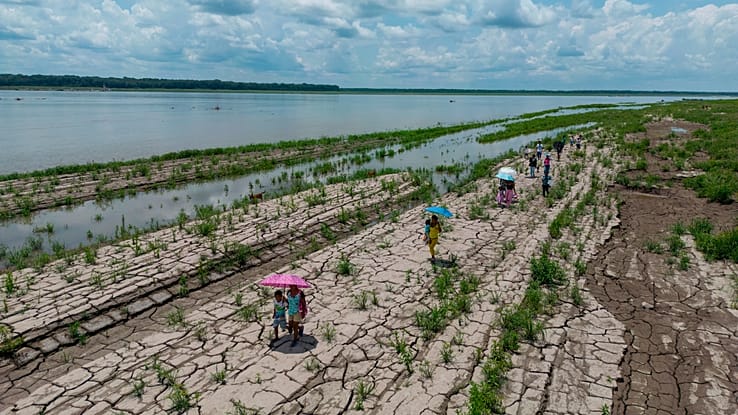
Meanwhile, the United Nations warned that the climatic effects associated with the El Niño phenomenon have contributed to the worsening food crisis in several African countries, as a result of drought in some areas and floods in others.
These climatic conditions led to a decline in agricultural production, the death of livestock, and a rise in food prices, which increased the suffering of families who depend on agriculture and grazing as a main source of income.
It is estimated that millions of people are in urgent need of food assistance, amid rising rates of malnutrition and declining access to food.
Children and women are the most affected.
The United Nations has confirmed that women and children bear the brunt of the health and food crises, as families face increasing difficulties in providing basic needs and healthcare.
She also warned of the increased risk of malnutrition among children, especially in areas with poor health services and insufficient food supplies.
Humanitarian organizations believe that the overlap of health, climate and economic crises threatens to worsen the humanitarian situation in many African countries in the coming months.
Calls to strengthen the international response
The United Nations called on governments and donors to increase support for humanitarian and health responses, and to strengthen food security and epidemic control programs.
She stressed that dealing with these challenges requires broad international and regional coordination, along with investment in health systems, agriculture, and the ability to adapt to climate change.
Experts believe that the African continent faces a double challenge in combating epidemics and dealing with the repercussions of climate change, which makes strengthening resilience an urgent priority to ensure the health and food security of millions of people.