Burkina Faso suspends livestock exports abroad
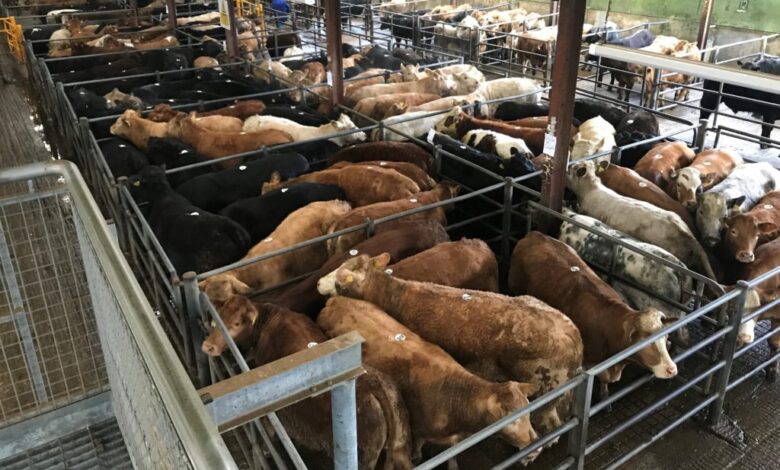
The government of Burkina Faso has announced a suspension of livestock exports to ensure that the needs of the local market are met.
In a joint statement issued by the Ministries of Trade, Livestock and Economy, the government informed economic entities and the public of the suspension of livestock exports nationwide until further notice.
Burkina Faso suspends livestock exports
This decision is effective from the date of signing the statement, and accordingly, the issuance of export licenses for livestock has been suspended.
Exporters who currently hold valid special export licenses are given one week to complete the export procedures.
The government stressed that it is counting on the patriotism of all those involved in the livestock sector, and on the keenness of the government's technical agencies, especially the border control agencies and security forces, to strictly implement this decision.
Penalties for violators
She warned that anyone violating this decision will be subject to the penalties stipulated in the applicable regulations. To report any violations of these provisions, the following toll-free numbers are available to the public: 80 00 11 84 / 85 / 86.
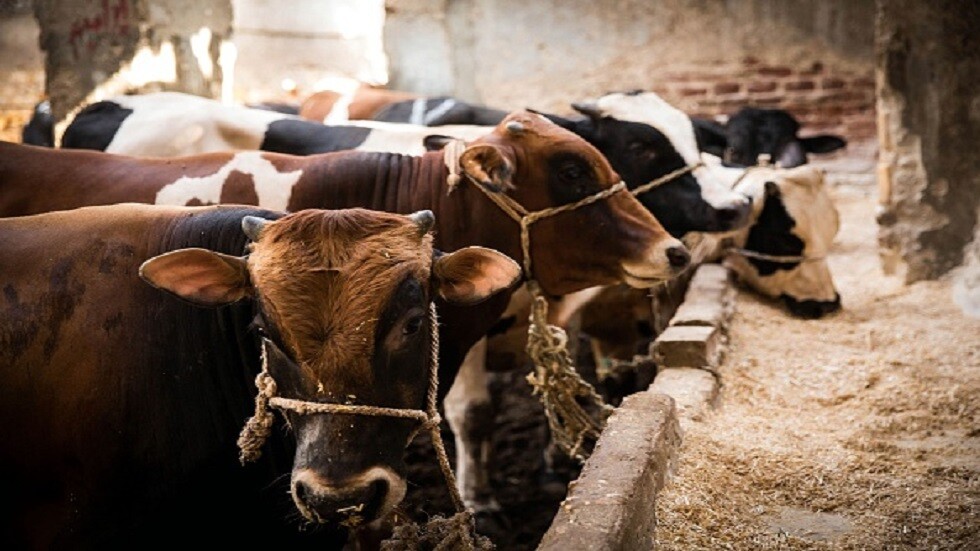
Livestock in Burkina Faso
It is noted that livestock is a key pillar of the national economy in Burkina Faso, contributing approximately 10% of the gross domestic product.
It is also the main source of income for more than 80% of the population who depend on agriculture and livestock breeding, with about 25 million head of sheep and goats, 15 million cattle and 9.6 million head of cows.
High prices of sacrificial animals
In a related context, Ivory Coast is experiencing a major crisis in sacrificial animal prices this year.
Before reaching the markets of Ivory Coast, thousands of sheep have traveled hundreds of kilometers from Mali, Niger and Burkina Faso, in a long and arduous journey that has directly impacted their high prices this year, as the blessed Eid al-Adha approaches.
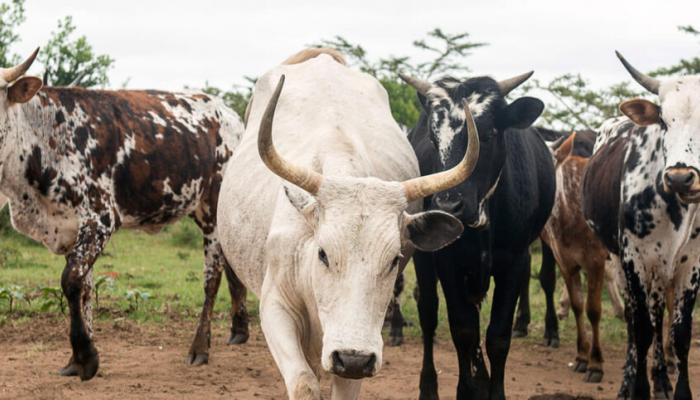
High prices of sacrificial animals in Ivory Coast disrupt Eid al-Adha preparations
In the livestock markets of the Agami, Anyama and Port-Boué districts of the economic capital Abidjan, buyers are watching for any possible drop in prices, although they are aware that rising transportation costs and taxes make this difficult.
These days, livestock markets are witnessing increased activity, with the voices of vendors mingling with the bleating of sheep under high temperatures, in a scene that is repeated every year as Eid al-Adha, or Tabaski as it is known locally in West Africa, approaches.