Sudan under European blockade... Will sanctions succeed in drying up the sources of war?
Expectations of widespread repercussions for Sudan's mining sector and economy
Written by: Mohammed Omran
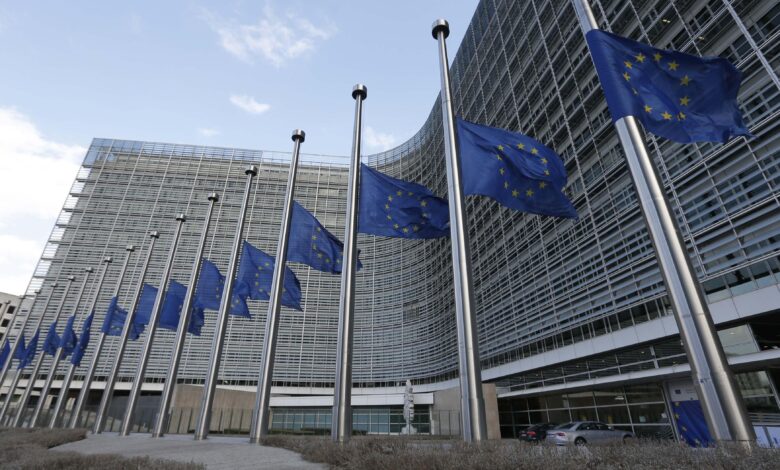
In a new escalation of economic pressures on the parties to the conflict in SudanThe European Union has announced a comprehensive ban on the purchase, import, or transfer of gold originating from Sudan, in addition to a ban on the sale, supply, transfer, or export of mercury and cyanide to Sudan. This move aims to curb the use of gold revenues to finance the ongoing war between the Sudanese army and the Rapid Support Forces.
The European Union is besieging Sudan's gold... New sanctions to dry up war funding sources.
The Council of the European Union explained that the sanctions are not limited to gold trade, but also include a ban on related services, such as technical assistance, brokerage, and financing, with the aim of tightening the noose on the war economy networks that benefit from the mining sector.
Gold... The lifeline of the Sudanese economy
Gold has been Sudan's most important export resource since the secession of South Sudan in 2011 and Khartoum's loss of most of its oil production. According to data from the World Bank and the Observatory of Economic Complexity (OEC), the yellow metal has become the main source of foreign exchange, while hundreds of thousands of Sudanese rely on artisanal mining for income.

Although official estimates and international reports indicate that Sudan is one of the largest gold producers in Africa, a significant portion of the production leaves the country through smuggling channels, depriving the economy of billions of dollars annually.
Why did the European Union target gold?
According to Reuters, the European Union views gold as having become one of the most important sources of funding for the war, with its revenues being used to purchase weapons and finance military operations. This has prompted Brussels to impose direct restrictions on the trade of gold and materials used in its extraction.
The decision also includes an embargo on the export of mercury and cyanide, which are essential materials used in gold extraction processes. This could impact the sector's production in the coming period if the sanctions are effectively implemented.
Do sanctions affect the Sudanese economy?
Economists believe that sanctions could increase pressure on Sudan's economy, which is already suffering from the repercussions of war, declining exports, high inflation rates, and a decrease in the value of the local currency.

However, conversely, analysts point out that the actual impact of the sanctions will remain linked to the international community's ability to curb cross-border gold smuggling, as a significant portion of Sudanese production is traded outside official channels before reaching global markets.

A step within a broader strategy
The new sanctions are an extension of a series of measures taken by the European Union since the outbreak of the war in Sudan, which have included imposing sanctions on individuals and entities linked to both sides of the conflict. The European Union emphasizes that the goal of the recent measures is to reduce the financial resources that contribute to prolonging the conflict and to support international efforts aimed at ending the humanitarian crisis left by the war.