Nigeria is combining energy and telecommunications to accelerate digital transformation in rural areas.
Written by: Ayman Ragab
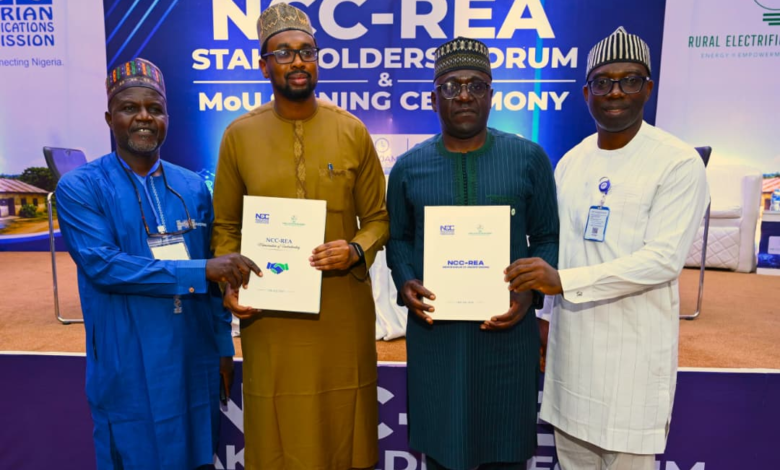
The Nigerian Communications Authority and the Rural Energy Regulatory Authority (REA) have signed a memorandum of understanding to formalize a strategic partnership aimed at accelerating the deployment of sustainable digital infrastructure across Nigeria, by integrating renewable energy solutions with communications infrastructure.
The agreement was signed during a stakeholder workshop in Abuja, attended by representatives from both sides and a number of government officials and telecommunications and energy companies.
The Deputy Executive Chairman and CEO of the Nigerian Communications Authority, Dr. Aminu Maida, represented by the Executive Commissioner for Technical Services, Engineer Abraham Ushadame, affirmed that the partnership represents an important milestone in Nigeria’s journey towards achieving digital inclusion and expanding access to energy.
He said: “Reliable electricity and digital connectivity are not separate development goals, but rather complementary foundations for an inclusive and productive economy.”.
Difficulty in operating the telecommunications infrastructure
He explained that communities lacking stable electricity face difficulty operating communications infrastructure, while areas lacking connectivity cannot fully benefit from electricity services.
Oshadami noted that the agreement establishes a practical framework for coordinating communications and rural electrification programs through joint planning, shared infrastructure, and renewable energy solutions. The Rural Energy Authority and the Communications Authority will also exchange geographic data on their current and future projects to identify energy and connectivity gaps and improve planning and implementation efficiency.
He added that the cooperation will include supplying communications stations and fiber optic sites with power through off-grid renewable energy projects, as well as encouraging the shared use of infrastructure, which will contribute to reducing deployment costs, improving operational efficiency, and accelerating the delivery of communications services to underserved communities.
For his part, the Director General and CEO of the Rural Energy Regulatory Authority, represented by the Executive Director of Technical Services, Engineer Omar Abdullah Omar, affirmed that Nigeria’s digital economy depends on a reliable energy infrastructure, noting that micro-renewable energy grids provide a more sustainable alternative to diesel generators used at telecommunications sites.
He said: “Reliable energy and universal connectivity are not competing priorities, but a single priority that is addressed from two directions. When we provide them together, the cost decreases and the scope of their benefit expands.”.
The Interrelationship Between Energy and Communications
The workshop, entitled “Unleashing the Interconnection Between Energy and Telecommunications for a Scalable Digital Infrastructure in Nigeria”, saw the participation of government officials, telecom operators, tower companies, renewable energy developers, financiers and development partners, to discuss mechanisms for expanding digital connectivity through sustainable energy solutions.
The events included presentations on geospatial analysis, pilot project opportunities, and implementation strategies, as well as panel discussions on financing models, policies and regulation, and infrastructure planning, with stakeholders invited to develop practical financing mechanisms and business models to ensure the initiative is implemented on a large scale.