Liberian president calls for John F. Kennedy Hospital to be restored to its historical status
As the leading medical center in West Africa
Written by Ziad Abdel Fattah:
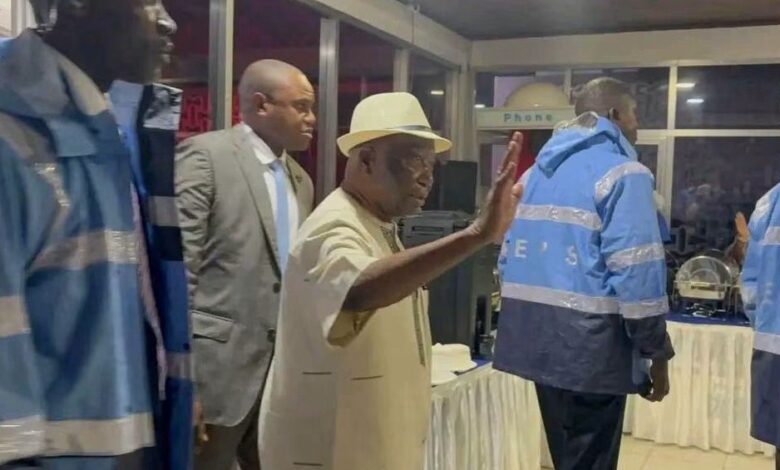
Liberian President Joseph New book The staff at the John F. Kennedy Medical Center are urged to intensify their efforts to restore the hospital to its historical position as one of the most important referral centers in West Africa.
This came during a meeting between the President and healthcare workers at an Iftar banquet, where he praised the dedication of doctors, nurses, and other medical staff, despite the challenges they face, most notably low salaries and difficult working conditions, emphasizing that their efforts are a fundamental pillar of the healthcare system in Liberia.
The Liberian government renews the government's commitment to supporting the health sector.
Bucai invoked the prestigious status the center enjoyed during President William Tubman's era, when it received patients from across the region, calling for the restoration of this prominent regional role by improving the quality of medical services and enhancing performance efficiency.
The President reiterated his government's commitment to supporting the health sector and improving the work environment within the hospital, which is currently one of the most important referral centers in the country.
In another context, the Liberian government announced a ban on the export of unprocessed raw rubber starting this July. This strategic move aims to shift the economy from exporting raw materials to local manufacturing, paving the way for a new phase of industrial growth, job creation, and increased national revenue. This is a remarkable economic transformation that could reshape one of Liberia's most important export sectors.
Liberian President Joseph Boakai has issued a decree banning the export of unprocessed natural rubber, effective July 1, 2026, with the aim of boosting manufacturing, creating jobs, and fostering the growth of the local rubber industry.
And banning the export of unprocessed natural rubber is a measure aimed at encouraging local processing and enhancing the added value of one of the country's main export sectors.
The Presidency believes that raw rubber exports have deprived Liberia of significant opportunities for industrial development, job creation, and increased public revenue. It also emphasizes that previous attempts at regulation have been undermined by overreach, justifying the strengthening of the system.
Liberia has imposed strict sanctions against violators, including confiscation of goods and fines up to $100,000 for companies and $50,000 for small producers for the first violation, and permanent revocation of export licenses for repeat offenders. Shipping companies and intermediaries involved in illegal exports also face prosecution.