From the stands to the betting shops.. How has technology transformed spectator behavior in South Africa?
Digital transformation alters fan behavior, smart apps, and live data

Written by: Mohammed Omran
Over the past two decades, sports in South Africa have undergone a significant transformation in how fans follow their favorite matches. Fans have moved from the era of stadiums and radio in the early 2000s to the age of satellite television, before smartphones emerged as the primary medium for following and engaging with sporting events in 2026.
This transformation was not limited to viewing methods alone, but extended to alter how sports content is consumed, and directly impacted the methods of betting on matches, as smartphone applications have become a key part of the fan experience on game day.
This report examines how the smartphone era has changed the behavior of sports fans in South Africa, particularly followers of the English Premier League, and why local operators have moved to develop live data and in-play betting services, alongside the future of the market as it continues to evolve.

This shift is not tied to a specific platform, but rather reflects a structural change in how South Africans interact with sports during actual match minutes.
Among the local operators who have relied from the outset on a mobile-first model, companies like Virgin Bet South Africa have stood out, designing their apps with live data, in-play betting markets, and fast withdrawal services, features that have become essential for bettors in South Africa.
Although the reference to this platform comes in a general context, it clearly reflects how betting product design has evolved to meet the needs of the Mzansi audience in 2026.
This shift confirms that it's not just a superficial change, but represents a real structural transformation within the South African betting market, giving companies that embraced this development early a clear advantage over operators still relying on traditional operating models.
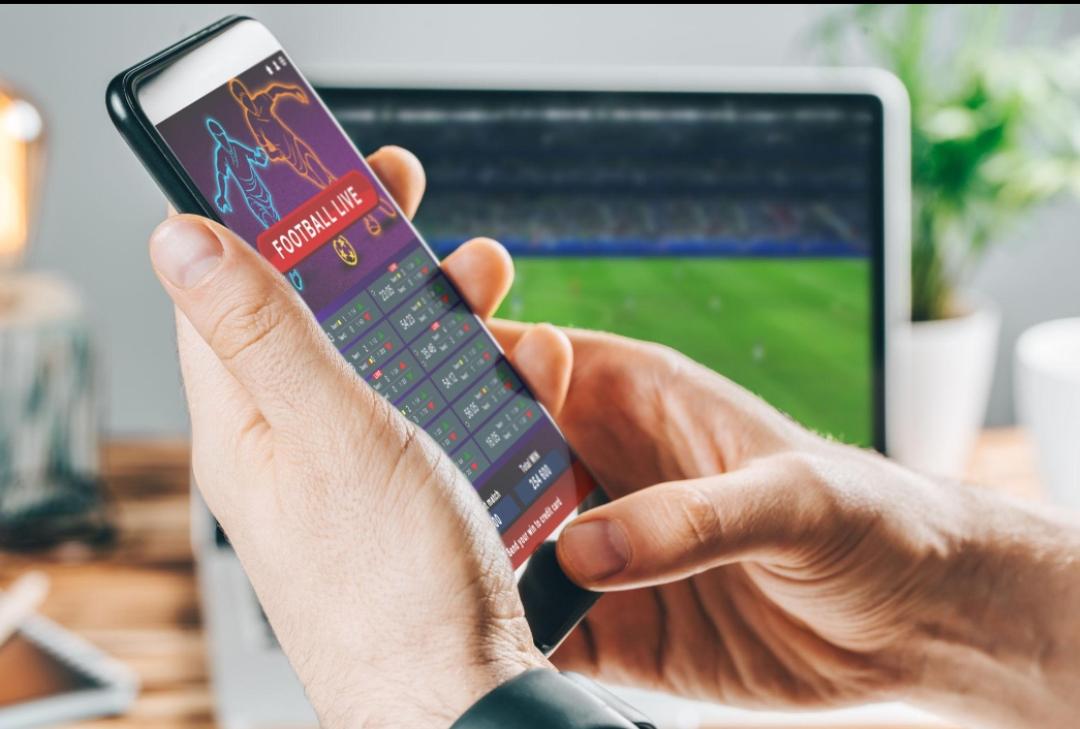
The smartphone takes center stage.
The smartphone has become the primary device for following sports in South Africa earlier than in many other markets, due to lower internet service costs, coupled with the evolution of smartphone applications, as well as fans' reliance on commentary, statistics, and reactions on social media while watching matches.
By 2026, the smartphone will no longer be an auxiliary tool, but rather the main platform around which most details of the sports experience will revolve.
Companies that recognized this shift also rushed to develop their products to keep pace with events, making match centers load in seconds and odds update in real-time without manual intervention. Instant notifications provide the most important match moments without overwhelming the user with information.
And these services today are the minimum that a South African fan expects from any sports platform.
Game day rhythm
Premier League match days now go through three main stages.
The first phase begins hours before the match kicks off, as fans follow team news, performance analyses, weather conditions, and betting market movements.
During the match, fans switch between television or live broadcasts and apps on their phones to follow real-time statistics and data.
As the period following the match has become an independent phase, during which the audience follows detailed statistics, match summaries, and reactions on social media, making the match experience extend for many hours.
And for Premier League fans, this competition now occupies most of Saturday and Sunday, with the smartphone present at every stage of it.
And that's why companies build content and notification strategies according to this tripartite rhythm, instead of focusing solely on the match.
South Africa's rugby audience has embraced the "mobile-first" concept at a faster pace than its football audience, sparking interest among industry observers.
This is due to the analytical nature of the sport, as its audience is accustomed to following possession percentages, set-piece success rates, and player statistics across different competitions.
And this is why smartphone applications, with the detailed data they provide, have come to better suit this type of audience.
As the Pro14 and URC seasons have shown, rugby fans are now exhibiting behavior similar to cricket followers, by showing interest in in-depth analysis, re-watching important clips, and reviewing player performance after matches have ended.
Companies that designed their products specifically for rugby enthusiasts have achieved better results than those that simply adapted football models for the sport.
The role of sports media
In this context, sports media that offers diverse content suitable for smartphone audiences has emerged.
The mathematical summary published by The Citizen newspaper, which covers tournaments such as the Blitzboks, URC, and Proteas, is a model of weekly content that aligns with the public's information consumption habits.
This type of coverage respects the reader's time, highlights the most important events, and provides sufficient background to facilitate discussions that later take place on social media and messaging apps.
Live data has become the deciding factor.
By 2026, the South African sports betting market has settled into a clear model based on sophisticated match centers, pre-game analytics, and live betting markets allowing for in-game interaction.
Companies that have not developed their services according to this model have gradually lost their market share to more advanced competitors.
As withdrawal speed has become one of the most important criteria for evaluating platforms, companies that have transparently announced and adhered to withdrawal times have succeeded in gaining users' trust.
On the other hand, platforms that avoid discussing withdrawal speed are increasingly raising users' suspicions.
Integrity of competitions
The spread of live betting has increased interest in the issue of sports integrity.
The faster the data flows, the higher the probability of its illicit exploitation if there is no strong oversight system.
And for this reason, companies and regulatory bodies have had to develop more efficient protection mechanisms to ensure fair competition.
International reports also indicate that match-fixing poses a long-term threat to the sports economy, which also applies to South African tournaments, such as the Premier Soccer League (PSL) and the URC.
And for the fans, the strength of the integrity system has become a key element in ensuring trust in the viewing and betting experience.
Drag race battle
Withdrawal speed has become the main competitive arena among betting companies in South Africa during 2026.
Instant banking settlement systems have replaced slow traditional withdrawals, providing a faster and more convenient experience for users.
And bettors immediately notice the difference between platforms, choosing their services based on withdrawal speed.
Despite these changes occurring in the technical infrastructure, their impact is directly reflected in the user experience.
Companies that rebuilt their compliance systems according to real-time decision-making mechanisms have also succeeded in reducing fraud, lowering customer complaints, and improving their relationships with regulatory bodies.

In contrast, companies that attempted to implement rapid withdrawal systems without updating their control infrastructure faced operational issues that caused them to lose market share.
A more aware audience
In 2026, sports fans in South Africa have become more aware compared to years past.
They carefully read the terms and conditions, verify companies' compliance with rules, pay attention to responsible gaming tools, and expect customer service in their local languages.
This reality forced companies to invest in product development rather than relying solely on advertising campaigns.
Companies that focused solely on marketing have lost significant market share, while companies that invested in product quality have strengthened their market position.
What does the market look like in 2027؟
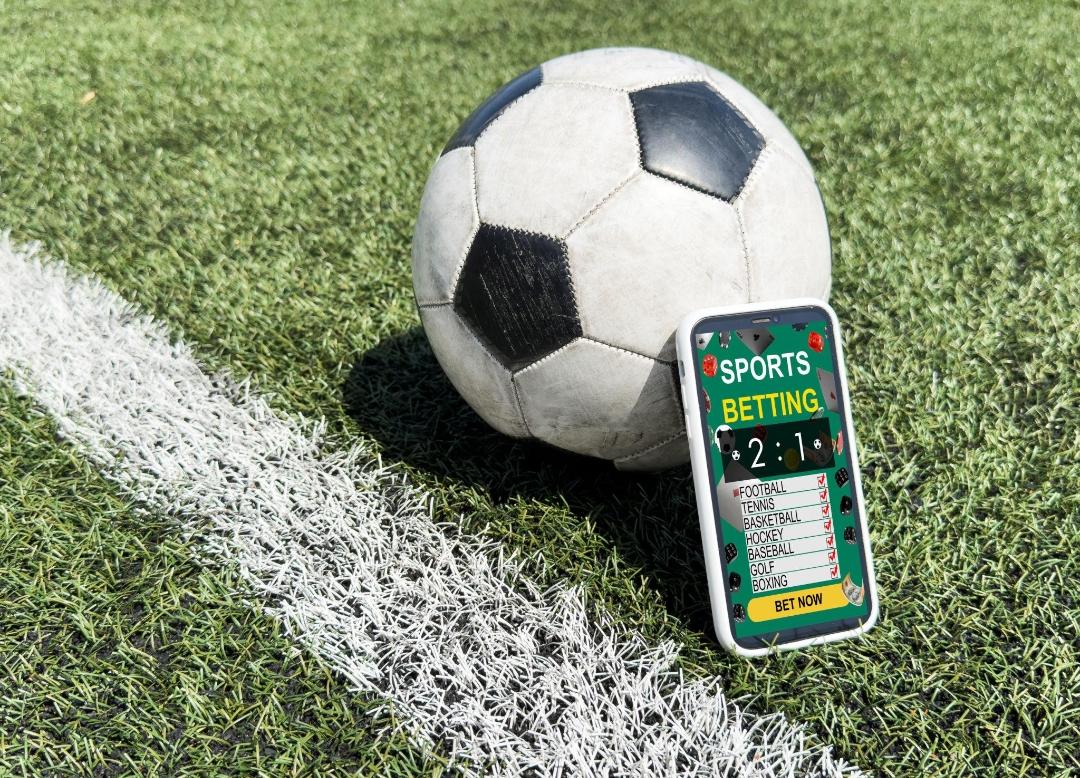
Forecasts indicate continued growth in smartphone usage for sports betting, with a decline in reliance on computers and traditional bookmakers.
Live betting is also expected to increase as data streams advance and in-game betting markets expand.
Download speed will remain the most important criterion for users, while companies lagging behind in this aspect will continue to lose market share to more advanced competitors.
For Mzansi's fans, the best strategy in 2027 will be to choose a platform that offers the best experience in terms of live data, withdrawal speed, and customer service quality, rather than being attracted to temporary advertising campaigns.
As the South African market matures, the decision of choosing a betting platform is becoming more dependent on service quality than marketing strength, a trend expected to continue in the coming years.