From masks to drums... traditional symbols that are still alive in Africa
The language of rituals and celebrations
Written by Amina Hassan
The African continent is rich with a cultural heritage that spans thousands of years. Many traditional symbols are still present in daily life, celebrations, and popular events. Despite technological development and globalization, African societies have preserved their heritage as a part of their national and cultural identity. Below are the most prominent traditional symbols that are still in use today, reflecting the diversity and richness of African civilizations.
Traditional masks: the language of rituals and celebrations
Wooden masks are among the most famous heritage symbols in Africa, especially in Nigeria, Mali, and Burkina Faso.
And it is used in popular celebrations, traditional dances, and festivals, and in some societies it symbolizes wisdom, ancestors, and cultural identity.
Drums are a tool for communication and heritage
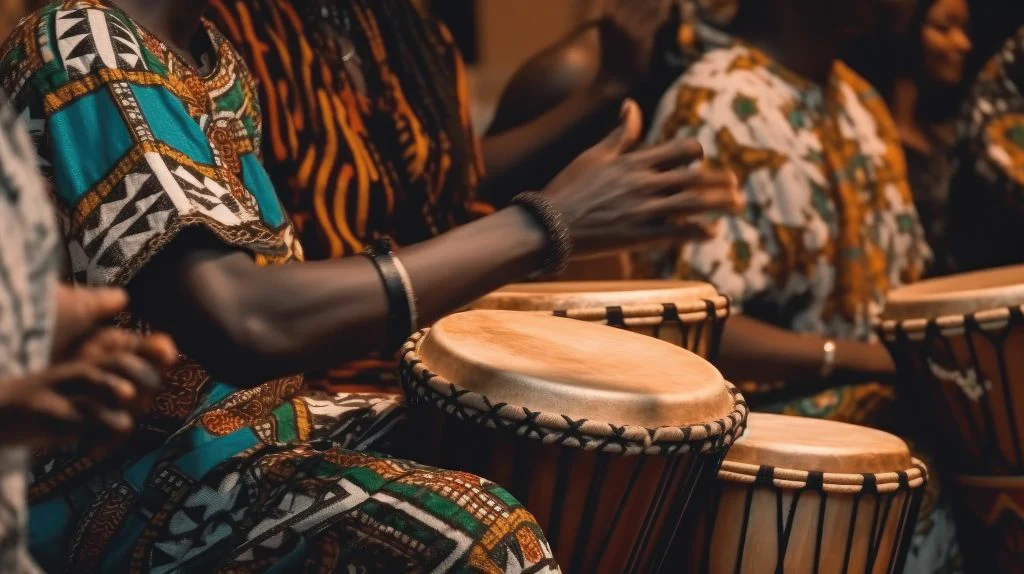
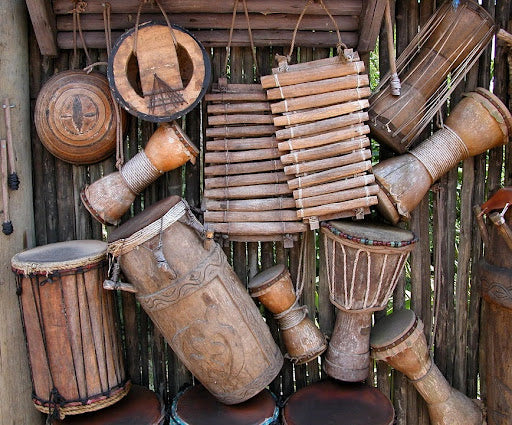
African drums still hold their place in social and religious events, whereas in the past they were a means of transmitting messages between villages. Today, they are used in festivals and celebrations and have become a symbol of African music and heritage.
Kente cloth: Ghana's colorful identity
Kente fabrics from Ghana are among the most famous traditional textiles in Africa, characterized by their bright colors and geometric patterns that carry meanings associated with wisdom, courage, and unity. They are still worn on formal occasions and national celebrations.
Traditional beads are messages in color
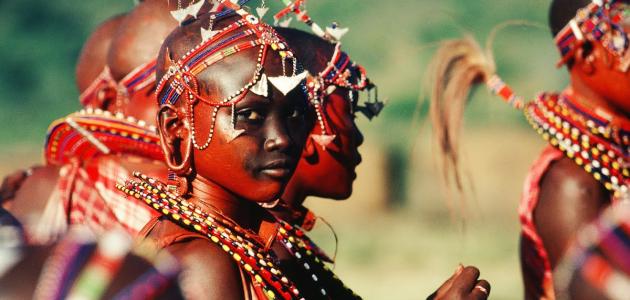
In Kenya and Tanzania, beads are used in the creation of jewelry and accessories, and their colors carry meanings related to age, social status, and tribal affiliation, making them more than just decoration.
Engravings and henna are a transmitted art
Numerous communities in North and East Africa maintain traditions of decorating hands and bodies with henna and natural dyes during weddings, holidays, and celebrations, as a symbol of beauty, blessing, and cultural identity.
Hand-woven baskets are a craft that defies time
Countries like Rwanda and Ethiopia are famous for their handmade baskets made from natural fibers, which are still used in daily life, in addition to being exported as heritage products that are popular globally.

Living heritage that transcends generations
These symbols affirm that African heritage is not just a tale of the past, but a living, constantly renewing culture. According to UNESCO, safeguarding intangible cultural heritage contributes to protecting the identity of peoples and promoting cultural development. Amidst masks, drums, fabrics, and beads, Africa continues to preserve its rich legacy, offering the world a unique model of adhering to authenticity while keeping pace with the modern era.