From clay to global recognition: How Benin's potters preserve ancestral heritage despite modern challenges
Women in Benin continue the art of crafting handmade pottery through inheritance.
Written by: Mohammed Omran
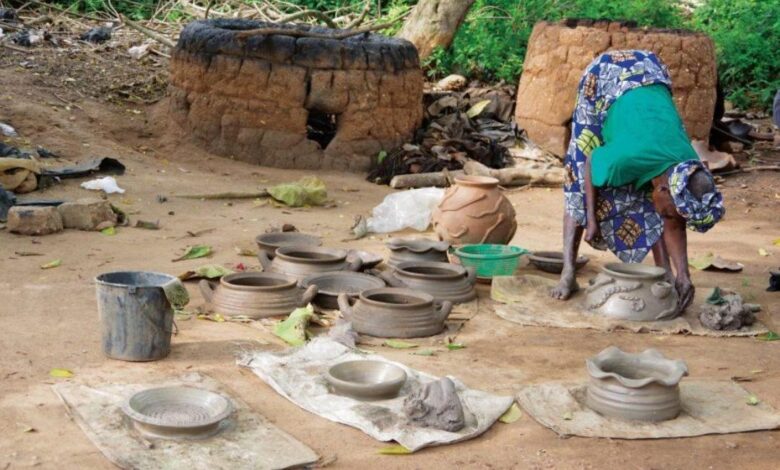
In the village of Xi, located in the southwest BeninThe traditional pottery industry is still alive, with women continuing to preserve one of the most ancient crafts passed down through generations, keeping the village known as the country's capital of pottery making.
How do Benin's potters preserve their ancestral heritage despite modern challenges?
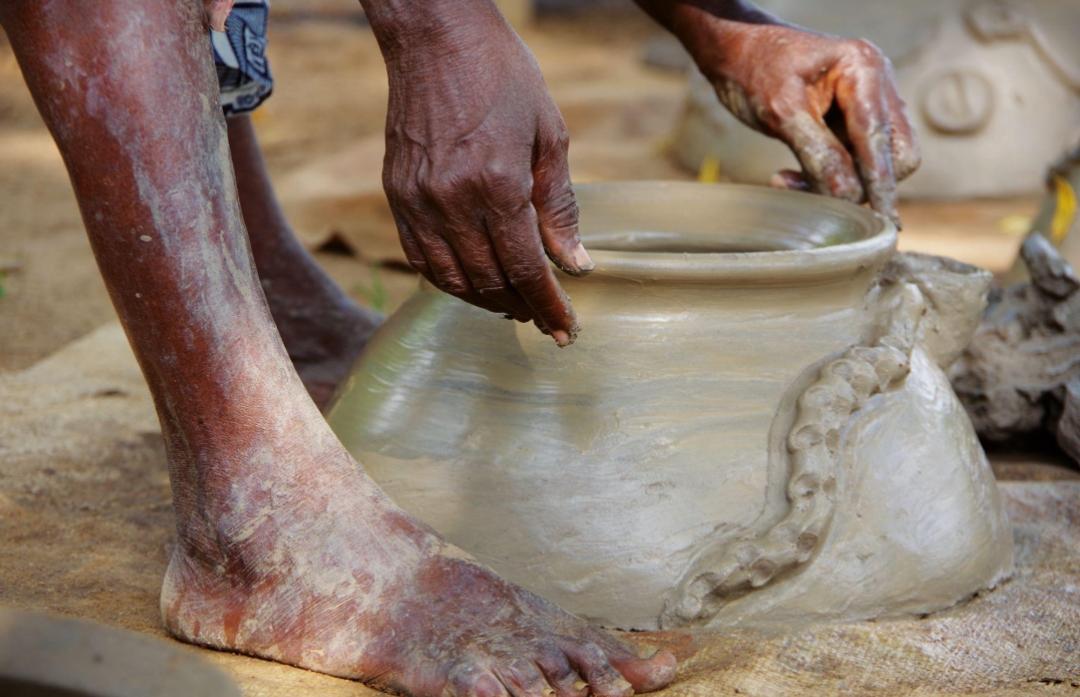
Artisan Solange Akakpo, a member of the women's pottery association “Akpénin Mahou,” emphasizes that she inherited this profession from her mother and ancestors. She explains that the pottery-making process begins with collecting clay from the lowlands of Douta village, then drying and crushing it before mixing it with well water to obtain a cohesive paste ready for molding.
Women in Benin continue the art of crafting handmade pottery through inheritance.
After the pots and jars are shaped by hand, the pieces are left in the shade for 72 hours, then dried inside the workshop for weeks before being painted with a layer of red clay and entering the firing stage, emerging in their final form.
The value of these products is not limited to their heritage beauty; they are also in high demand from various cities within Benin, as well as from abroad, due to their ability to retain food heat and impart a distinctive flavor to the food cooked in them.
Christine Eday, a restaurant owner in Cotonou, says she is keen on using earthenware from the village of Cissé, emphasizing that these pots keep food warm and give it a different flavor compared to modern cookware.
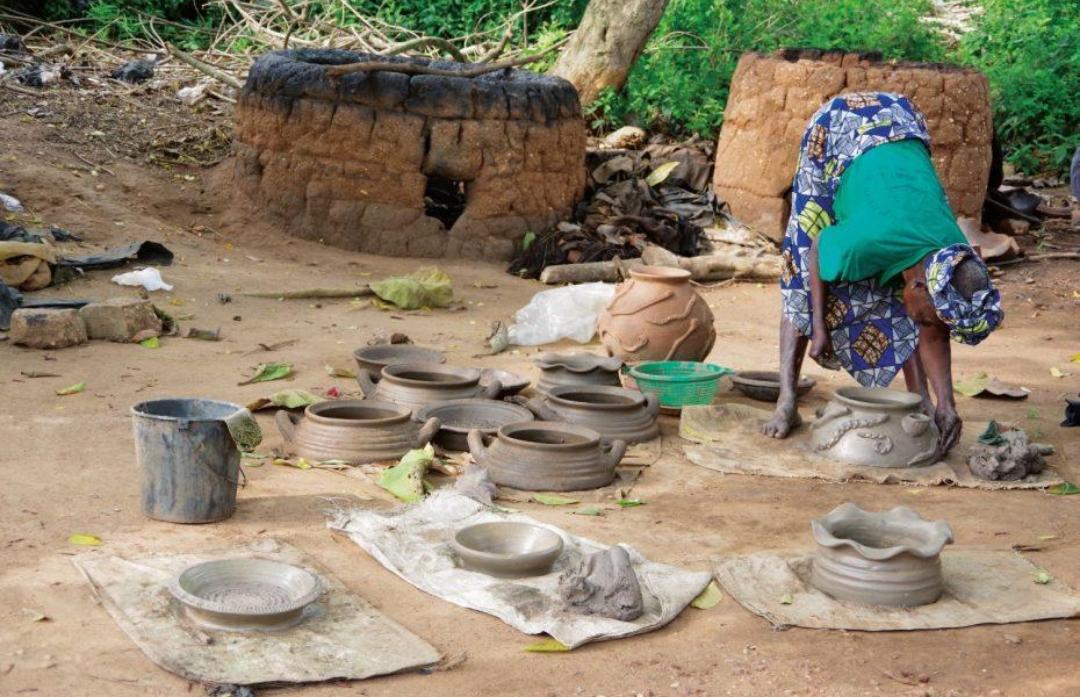
Pottery is displayed on both sides of the main road passing through the village, a scene that reflects the economic and cultural status of this craft, which has become part of the region's identity.
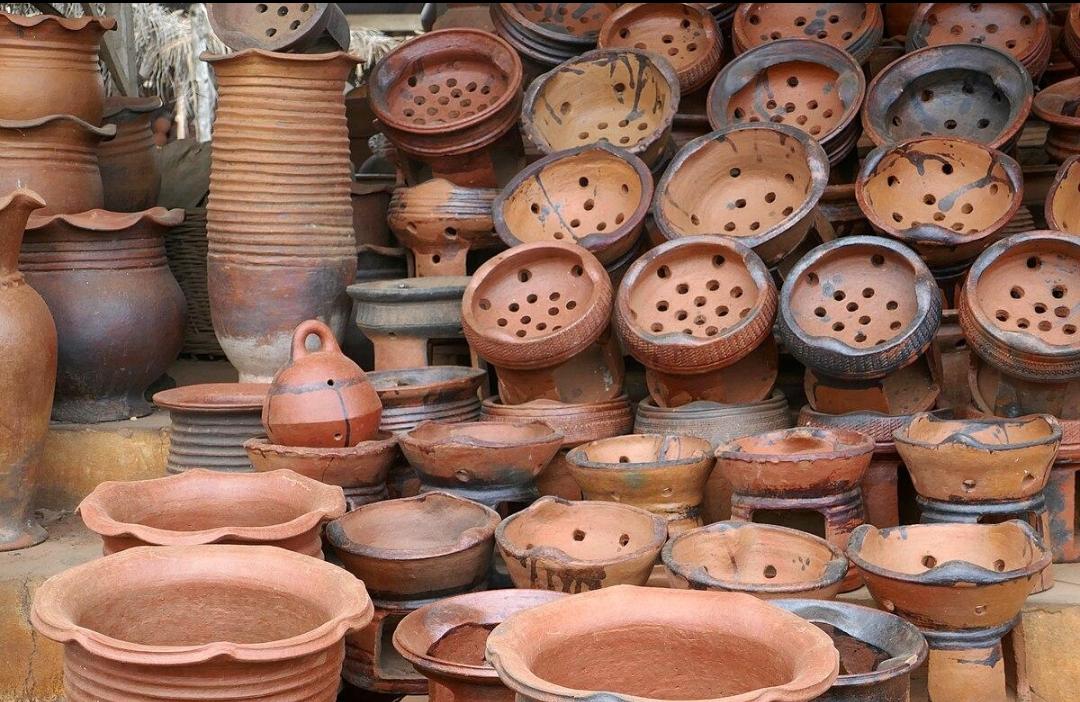
For his part, Calixte Adankpo, Financial Director of the “Art and Development in Benin” organization, explained that pottery is the first thing that catches visitors' attention upon entering the village of Se. He emphasized that artisans continue to develop their products and innovate new designs to keep pace with changing consumption patterns, while preserving the authenticity of the craft, which is one of the most prominent symbols of Benin's cultural heritage.