Deaths on Kenyan roads: Pedestrians pay the highest price
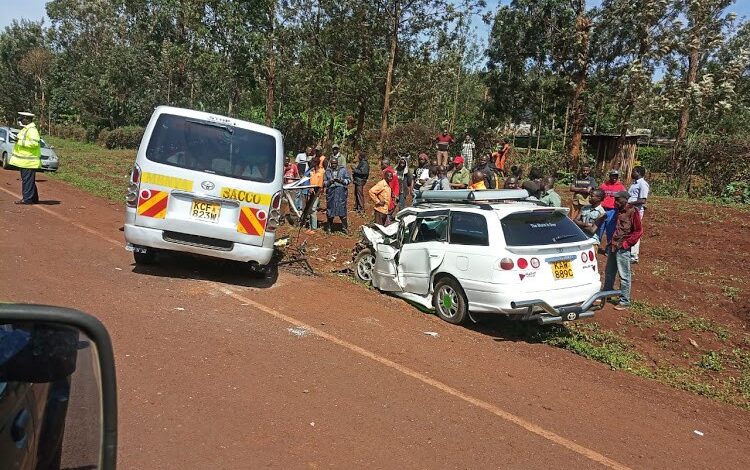
Road accidents in Kenya
Written by: Ayman Ragab
In a city whose roads are expanding at an accelerating pace, walking remains an essential part of daily life for millions of residents in the Kenyan capital, Nairobi. However, this reality puts pedestrians at increasing risk, amid rising road accident rates that make them the most vulnerable group to death and injury.
James Mwangi leaves his home in the low-income Kayole neighborhood in eastern Nairobi at 5:47 a.m. every day, heading on foot to the bus stop on a journey that takes about 20 minutes.
Despite the short distance, the journey requires complete concentration throughout.
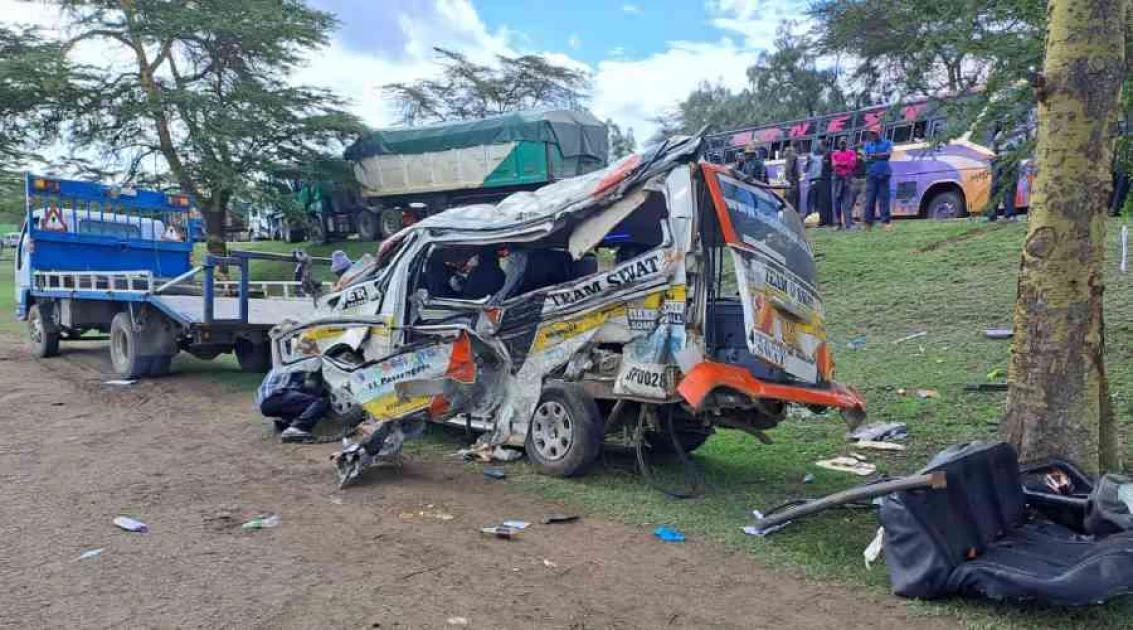
Mwangi passes through a section of Kangondo Road, where the pavement disappears for a distance of approximately 400 meters, leaving pedestrians between a ditch on one side of the road and heavy traffic on the other, amidst the widespread presence of boda-boda motorcycles constantly moving between vehicles and pedestrians.
Mwangi says: “Motorcycle riders are very close. You learn to be attentive all the time. Don’t look at your phone.”.
Over four years of this daily commute, the man developed something like a mental map of the most dangerous areas along the route.
Kenya pedestrian road accidents
He adds: “I’ve seen three people run over on this road in the last two years. Sometimes when it rains, you have to choose between walking inside the drainage ditch or walking in the middle of traffic. We know it’s dangerous, but there’s no other way to get to the bus stop.”.
Local residents confirm that collisions between pedestrians and motorcycles or vehicles occur constantly on this road, to the point that they are no longer surprised when they hear news of victims, as the circumstances remain the same and only the names of the injured or deceased change.
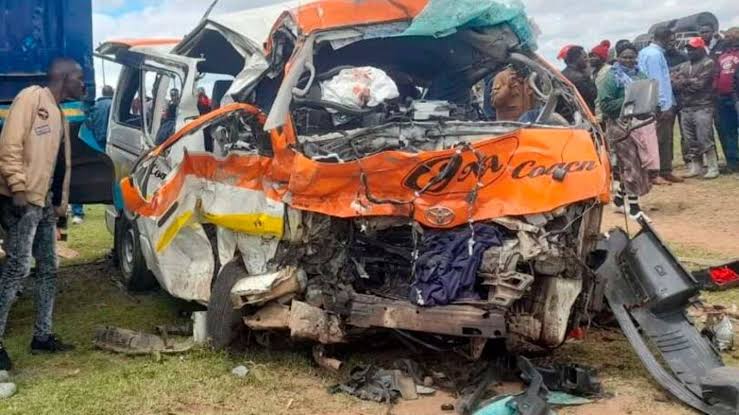
Last March, a pedestrian was killed near Mama Lucy Hospital on Kangondo Road after being hit by a car, an incident that renewed calls for safer crossings and improved pedestrian infrastructure along the road.
Pedestrians pay the highest price
According to the Bloomberg Philanthropy Global Road Safety Initiative, approximately 560 people lose their lives annually on Nairobi's roads.
Kenya’s National Transport and Safety Authority also reported that the average number of road fatalities was 13 per day during 2024.
For comparison, Italy and South Korea, which have populations similar to Kenya's, record an average of nine and seven deaths per day respectively.
Data from the National Transport and Safety Authority and estimates from the World Health Organization indicate that pedestrians account for between 351 TP3T and 501 TP3T of all road traffic fatalities in Kenya, making them the most vulnerable group among road users.
“A vehicle traveling at high speed within the city can make simply crossing the road a fatal accident, so modern safety strategies focus on speed management and safer street design,” says Tom Obiu, transport policy expert at the Kenya Urban Roads Authority.
Despite the significant expansion of the road network within Nairobi over the past two decades, through the construction of highways and bypasses that have helped reduce travel times and open up new development corridors, walking remains the essential link in most daily journeys.
A large number of the city’s residents rely on “Matato” buses for long-distance travel, but reaching the bus stops often requires walking long distances, especially for residents of informal settlements far from the main transport corridors.
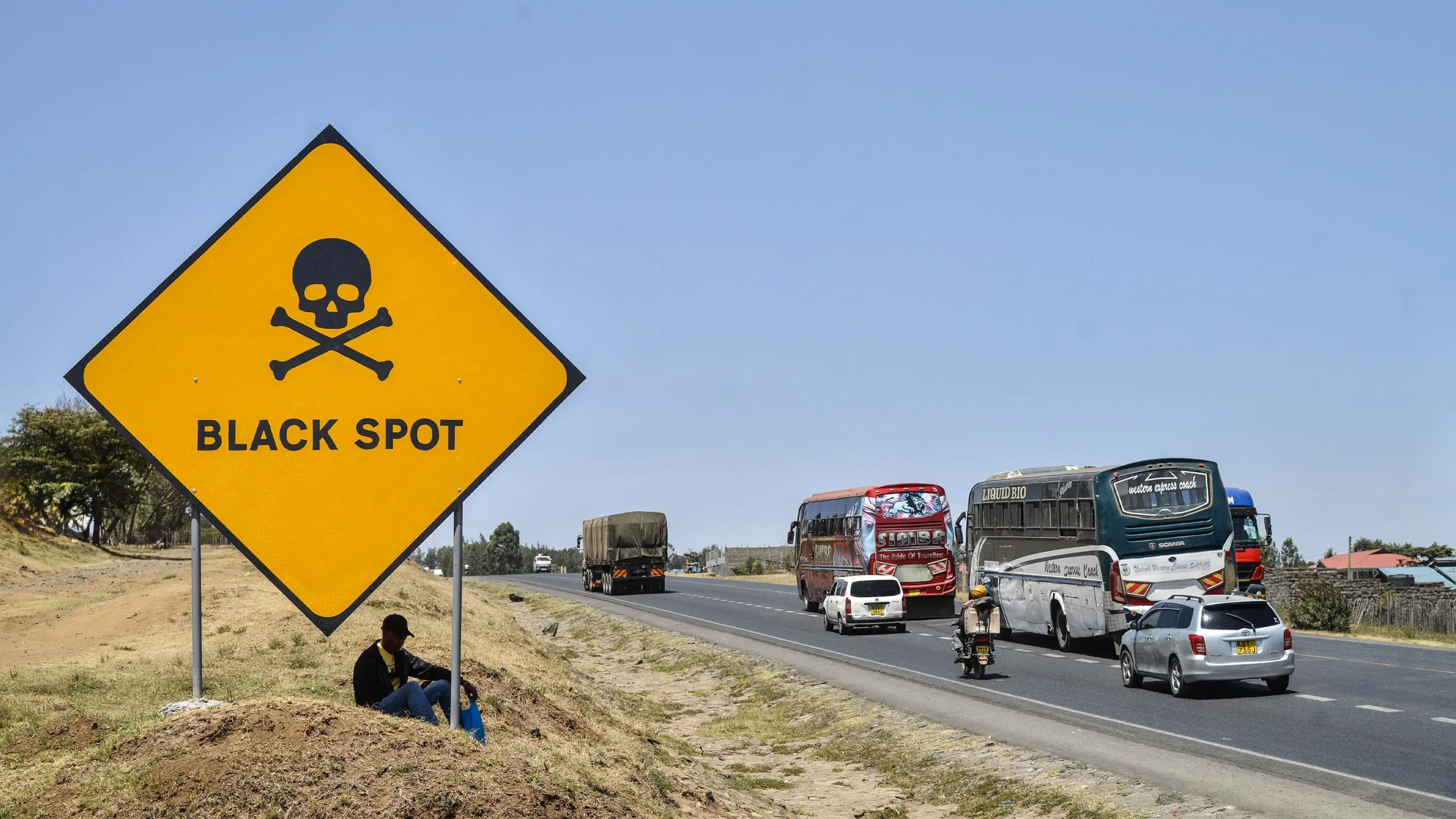
“Even public transport users in Nairobi are essentially pedestrians at the beginning and end of the journey,” says Alex Munin, an urban mobility specialist at the University of Nairobi. “Walking is not an option, it is an essential part of every journey.”.
A gap in pedestrian infrastructure
Traffic safety experts believe that the large investments directed towards developing vehicle infrastructure have not been accompanied by a similar focus on pedestrian facilities.
Mary Abongo, a road safety expert at the Global Road Safety Partnership, explains that many road accidents are not random accidents but rather a direct result of urban design.
She says: “When thousands of people have to walk daily on roads that lack connected sidewalks, pedestrian crossings, or traffic calming measures, the danger becomes part of the system itself.”.
She added that the chances of serious injury or death increase significantly in such environments, stressing that these results represent “predictable design failures” rather than random events.
A survey conducted by the International Road Assessment Programme (IRAP) showed that 95% of Nairobi's roads experience high pedestrian traffic density, while only 20% of them are equipped with dedicated pedestrian sidewalks.
Even in locations where sidewalks are available, they are often obstructed by parked cars, street vendors, or poor maintenance, forcing pedestrians to use vehicle lanes.
“There are large numbers of pedestrians walking alongside infrastructure that does not provide them with adequate protection,” says Natalie Chiavasa, Africa director at IRAP. “Evidence suggests that safe crossings and reduced speeds can significantly decrease fatalities.”.
Growing anger and a new partnership
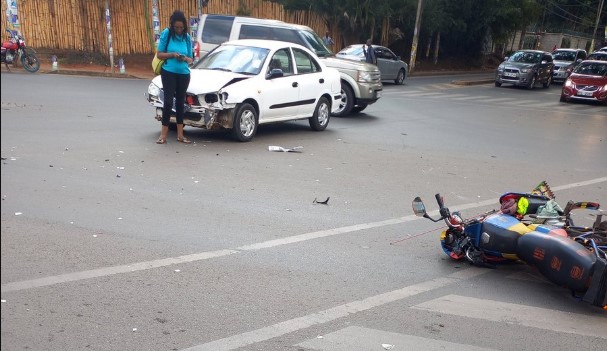
Last January, a motorcyclist was killed after being hit by a minibus heading to Nairobi's central business district, before the driver fled the scene.
Within minutes, a number of motorcyclists surrounded the bus, smashed its windows and set it on fire, while its passengers barely escaped.
Many residents believe that this incident reflects the growing anger towards the recurring accidents and the lack of change on the ground.
Kennedy Owino, a representative of the Save Lives Coalition in Kenya, says: “The angry reactions reflect people’s feeling that incidents are constantly recurring without real action. The anger is directed at the entire system, not at a single incident.”.
On June 3, the Nairobi City County Government announced its joining the Bloomberg Philanthropy Global Road Safety Initiative (BIGRS), a $350 million program that works with more than 30 cities around the world to reduce road traffic fatalities.
The program has previously supported similar reforms in cities such as Bogota, Colombia, and Fortaleza, Brazil, where speed management measures and the redesign of dangerous roads have been linked to a significant decrease in the number of deaths.
Cooperation is essential
During the launch ceremony for the initiative, Nairobi County Governor Johnson Sakaja said: “Nairobi is a rapidly growing city, which makes this collaboration necessary and timely.”.
For her part, Gladys Nyashio, senior lecturer in urban and regional planning at the University of Nairobi, expressed her optimism about the program's ability to bring about real change.
She said: “What distinguishes this initiative is its focus on institutional change, through improving data, enhancing law enforcement, and redesigning hazardous corridors, steps that can have a long-term impact.”.
But other experts warn that the success of the initiative will still depend on continued local commitment after international support ends.
“International programs can provide technical expertise and data, but the sustainable impact depends on how committed cities are to enforcing the laws and implementing the required infrastructure changes in the long term,” says Winnie Mettula of the university’s Institute for Development Studies.
James Mwangi, who hears about new initiatives and plans every day, is approaching the matter with caution.
He sums up his position by saying: “If they fix the road, I will know. I don’t need anyone to tell me. It is enough for me to walk on it.”.