African braids: a story of identity that began in Egypt and became a symbol of resistance
Secrets of African braids through the ages
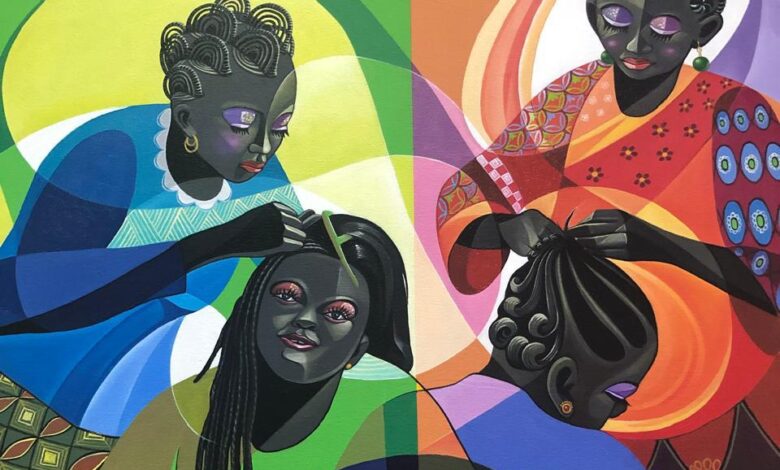
Hair braids go beyond African Whether it is just a trend in the world of beauty or a passing hairstyle, it is a legacy whose roots extend back to 3000 BC. Its story began in the land of civilization, “Egypt,” in the heart of the Sahara Desert and the civilizations of Nubia and ancient Egypt, where braids were not just an adornment, but a mobile “identity card” that revealed social status, spiritual connection, and the tribe to which the individual belonged.
In societies like the Himba tribe in Namibia, these braids have remained a visual language that tells of a girl’s age and social status, making hairstyling a social ritual that strengthens group bonds and transmits oral knowledge between generations.
Secret codes and escape maps for freedom
In the African continent, which witnessed long decades of colonialism and the slave trade, the journey of braids across the Atlantic during the slave trade was not just a transfer of culture, but became a strategic tool for survival and resistance.
While the colonizers tried to dehumanize Africans by shaving their heads, the enslaved people revived the art of braiding within the farms as an act of silent rebellion.
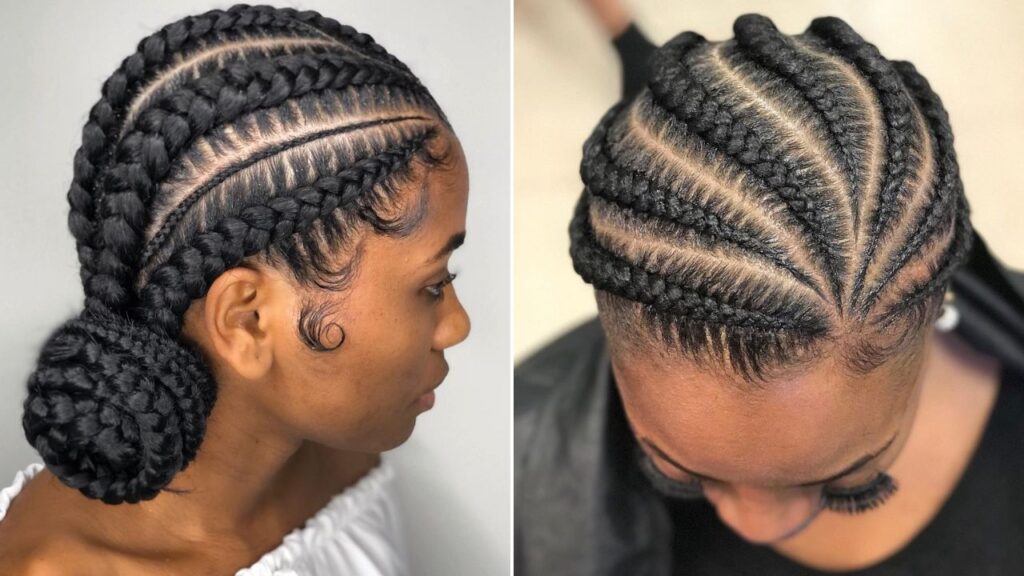
Historical studies indicate that intricate braiding patterns, known as “corn braids,” were sometimes used as secret escape maps, with women drawing safe routes and escape routes in their hairstyles that only their own kind could understand, making the head a repository for liberation plans and networks of ethnic solidarity.
From liberation movements to global fashion platforms
With the dawn of the twentieth century, braids experienced a revival as a symbol of ethnic pride and a challenge to colonially imposed beauty standards.
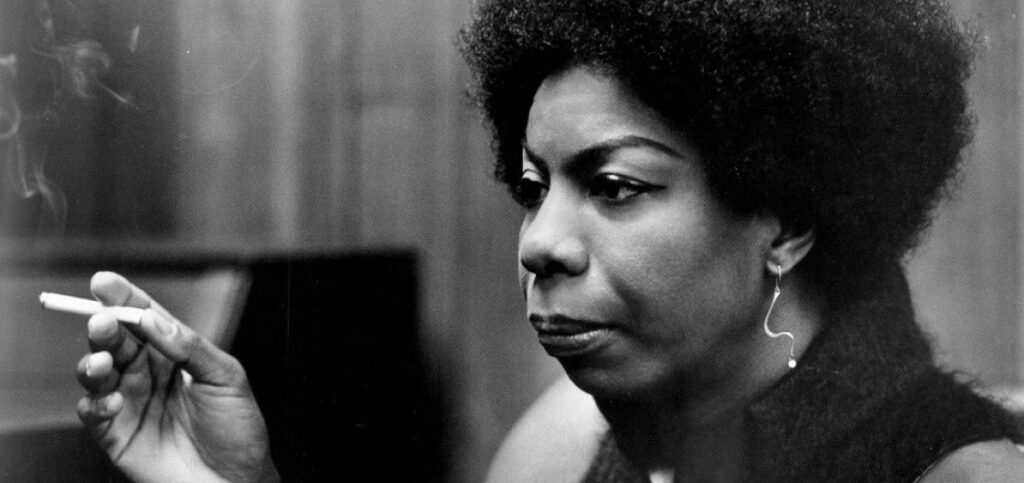
Iconic figures such as Angela Davis and Nina Simone emerged to teach that naturalistic poetry is a political weapon for reclaiming lost identity.
Today, global stars like Lupita Nyong'o and Zendaya are leading this legacy onto the red carpet, linking contemporary beauty with messages of empowerment and the restoration of African cultural heritage, thus restoring braids to their former glory as one of the oldest and deepest forms of cultural expression in human history.
Identity conflict and the dilemma of cultural appropriation
Despite its widespread global popularity, African braids still face contemporary challenges such as “cultural appropriation” and social stigma.
While global fashion houses embrace these hairstyles as a “trend” devoid of context, some educational institutions and workplaces still consider them “unprofessional,” leading to the emergence of legal initiatives such as the “Crown Act” to protect the right to express ethnic identity.
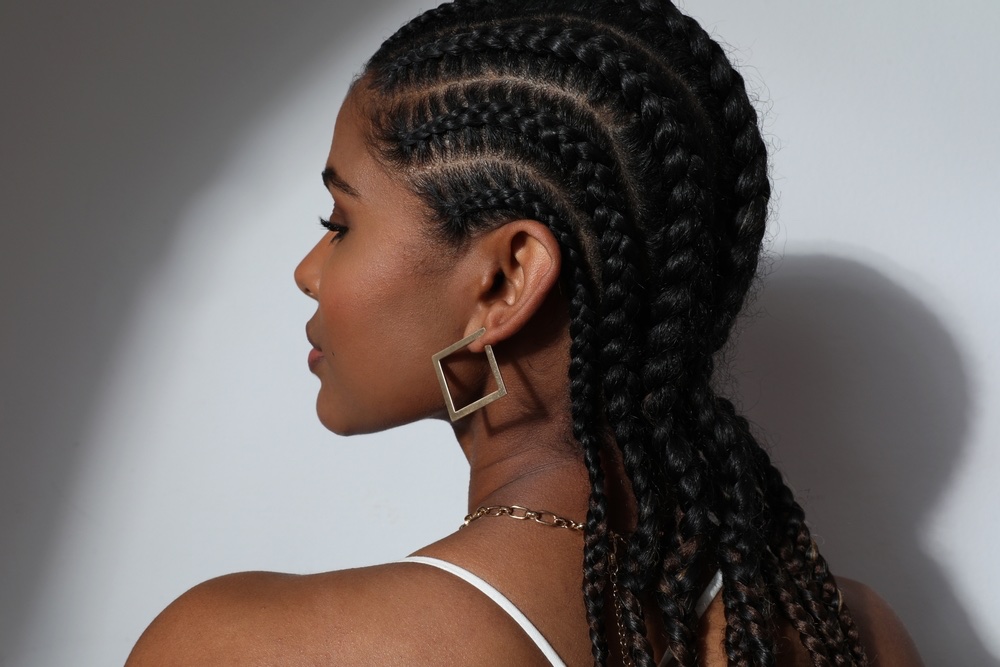
Ultimately, African braids remain a living testament to humanity's ability to transform beauty into a means of resistance, and tradition into a language of communication.