Kenya opens strategic 3 billion shilling power station in Kilifi
Kenya: Marikani power station supports industrial and economic zones in Mombasa
Written by: Badr Ahmed
The Government of Kenya continues its commitment to ensuring a sufficient and reliable electricity supply throughout the country, as a key pillar for achieving accelerated growth, supporting industrial transformation, and improving the standard of living of citizens.
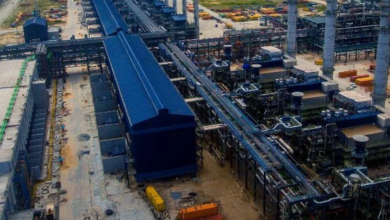
In this context, the 400/220 kV Marikani substation, in Kaloleni District of Kilifi County, was inaugurated. It is a strategic project costing about 3 billion Kenyan shillings and is expected to contribute to enhancing the stability and reliability of electricity supplies in Kilifi County and its surrounding areas, including the Dungu Kondo Special Economic Zone in Mombasa.
The Marikani power station supports the industrial and economic zones in Mombasa.
The Marikani power station is one of the vital projects in the energy sector, as it aims to increase the capacity of the electrical grid and improve the quality of service provided to homes and industrial projects, which enhances the investment climate and supports the country’s economic development plans.
In a related development, the Last Mile Connectivity project was launched in Marikani County, aiming to provide electricity to more than 24,000 homes this year at a cost of 2.5 billion Kenyan shillings. This project is part of the government's efforts to expand access to electricity, particularly in rural areas and low-income communities.
The implementing authorities confirmed that the electrical interconnection project will contribute to improving the quality of life for citizens, by providing electricity to homes for the first time, and enabling families to use energy in education, small businesses and daily services, which will enhance social and economic development at the level of villages and outlying areas.
The events also included direct meetings with residents of the Marikani area, where details of ongoing government development projects in the area were reviewed and explained, and citizens' comments and needs regarding infrastructure and basic services were heard.
The government indicated that these projects are part of a comprehensive vision aimed at developing the energy sector as one of the main drivers of the national economy, and enhancing the country’s ability to meet the increasing demand for electricity resulting from urban expansion and industrial growth.
She also stressed that investments in energy infrastructure, such as substations and electrical interconnection projects, represent an important step towards achieving sustainable development and reducing the gap in access to basic services between urban and rural areas.
The government continues to implement its strategic plans in the electricity sector, with the aim of ensuring a stable and reliable supply that supports the comprehensive development process in various economic and social sectors.