Artificial intelligence unlocks Africa's buried treasures... Will vital minerals turn into a $390 billion annual wealth?
Africa has a historic opportunity in the race for vital minerals.
Written by Amna Hassan
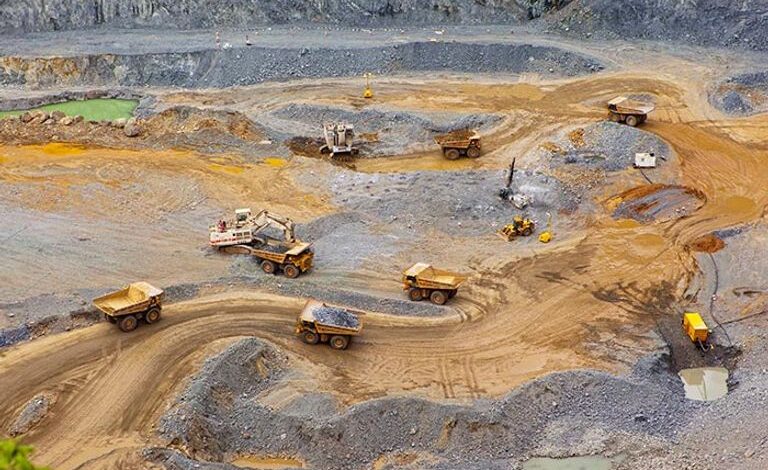
The African continent is witnessing a strategic shift in the mining sector, with global attention moving from gold and diamonds to vital and rare minerals that have become the backbone of artificial intelligence, clean energy, advanced technology and defense industries.
With Africa possessing approximately 30% of the world's reserves of these minerals, experts believe that artificial intelligence may be the real key to transforming this natural wealth into huge economic gains.
According to a report by the Atlantic Council, data-driven and artificial intelligence-based mining technologies could add between $290 billion and $390 billion annually to the global mining sector by 2035, if employed efficiently.
Immense wealth and limited exploration
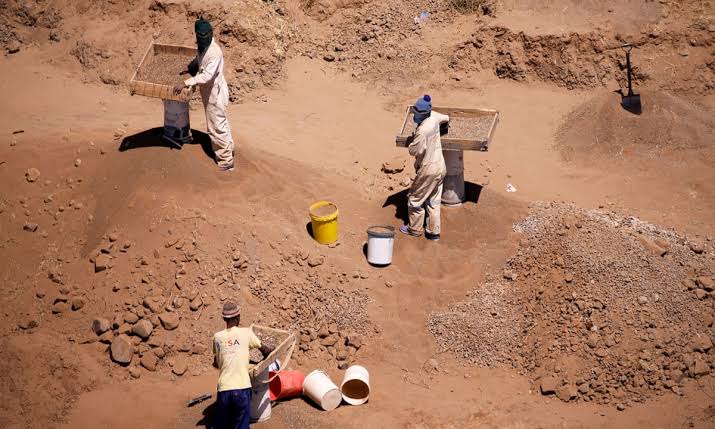
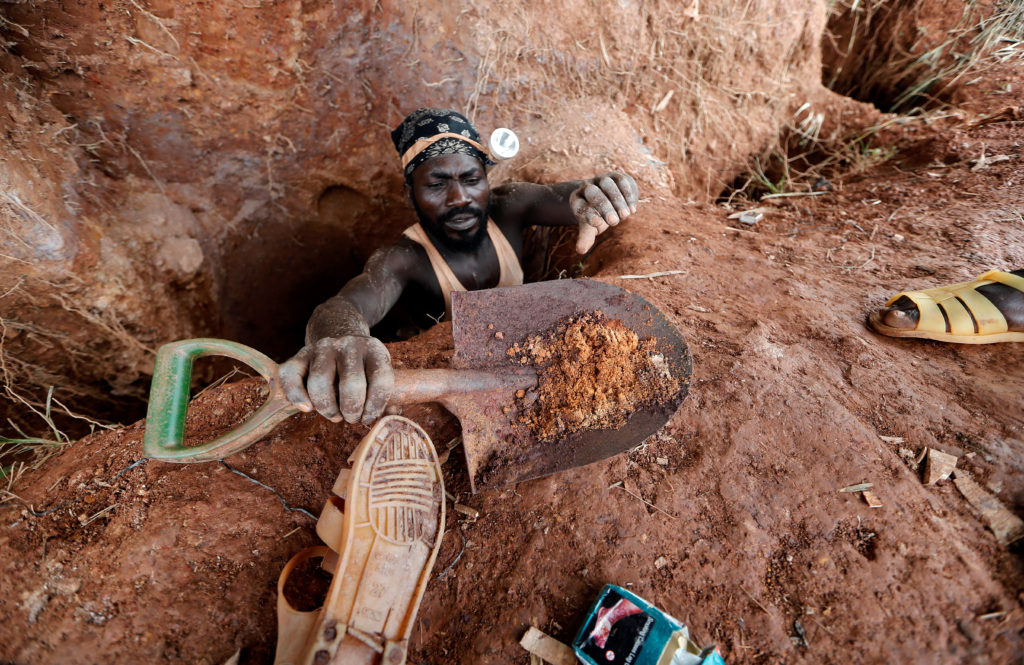
Despite its enormous potential, Africa receives only about 10% of global spending on mineral exploration, while many countries still rely on geological maps and surveys dating back to the colonial era.
The continent contains the world’s largest proportion of platinum group reserves, as well as huge reserves of cobalt, manganese, graphite, copper and chromium, while much of the mineral wealth is believed to remain undiscovered due to weak modern exploration.
Artificial intelligence is changing the rules of mining.
Artificial intelligence technologies have revolutionized mineral exploration, enabling the analysis of geological data, satellite imagery, and drilling results to identify the most promising locations, thus reducing time and cost and increasing success rates.
In Zambia, specialized companies have successfully used machine learning to reanalyze old data, improving drilling plans and reducing exploration time by up to 751 TP3T. Smart mapping and aerial surveying applications have also expanded in Angola and Botswana to identify new deposits of vital minerals and attract global investment.
Promising African experiences
South Africa is experiencing a surge in the use of artificial intelligence in mines, where computer vision systems are used to monitor safety, while “digital twin” technology helps to simulate mining operations, predict failures, and improve production.
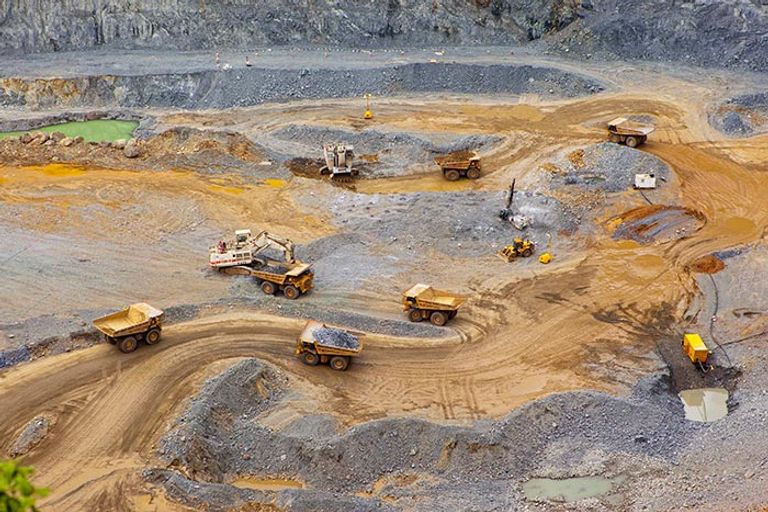
In Mali, automated mining operations have become a leading model on the continent, while the Democratic Republic of Congo is digitizing millions of historical geological records, which could accelerate the discovery of new reserves of copper, cobalt and lithium.
Challenges hindering digital transformation
Despite these positive indicators, the continent still faces significant obstacles, most notably weak infrastructure, frequent power outages, a lack of transport and communication networks, in addition to limited technical expertise and security challenges in some countries.
Frequent changes in mining laws, export restrictions, and government ownership requirements also affect attracting the investments needed to expand the use of artificial intelligence in the sector.
A $300 million fund to support smart mining
To promote digital transformation, the Atlantic Council recommended the creation of a $300 million smart mining fund in partnership between the public and private sectors, with the aim of funding African startups, reducing investment risks, and accelerating the adoption of artificial intelligence technologies in exploration, production, and processing.
The report argues that the success of this step will not only increase mineral production, but will also help Africa move from being merely an exporter of raw materials to a major player in global technology industries, thereby enhancing added value and providing unprecedented economic and development opportunities for the continent.