Arab League Secretary-General warns of an impending humanitarian catastrophe in the city of El Obeid.
Fears of a repeat of the atrocities in El Fasher
Written by Ziad Abdel Fattah:
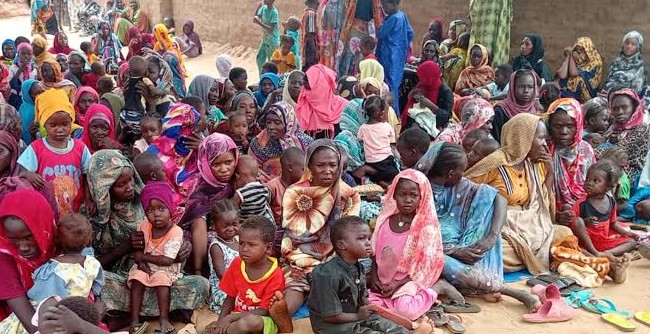
Nabil Fahmy, Secretary-General of the League Arab countriesWith deep concern regarding the dangerous developments in the city of El Obeid, North Kordofan State, in the Republic of Sudan. More than half a million civilians, including tens of thousands of displaced persons, are subjected to a suffocating siege and continuous drone shelling by the Rapid Support Forces. This shelling has targeted markets, schools, hospitals, and water and electricity facilities.
The Secretary-General warned that the continued military buildup around the city and the targeting of residential neighborhoods and civilian facilities portend a repeat of the atrocities witnessed in the city of El Fasher, despite repeated international warnings of the risks of grave violations that could amount to war crimes and crimes against humanity.
The Secretary-General stressed the need to intensify coordinated international and regional efforts to prevent the city from slipping into a broader humanitarian and security disaster, and to stop anything that would prolong the conflict, with full respect for Sudan's unity, sovereignty, and territorial integrity.
Nabil Fahmy reiterated his confirmation that the General Secretariat continues, within the framework of the Quintet Mechanism which includes the League of Arab States, the African Union, the United Nations, the European Union, and the Intergovernmental Authority on Development (IGAD), to support efforts aimed at creating an inclusive Sudanese political path and encouraging national dialogue among Sudanese forces, which will help end the war and preserve state institutions, based on the Jeddah Declaration of 2023 to protect civilians and alleviate the humanitarian suffering of the Sudanese people.
Nabil Fahmy assumed his duties as Secretary-General of the Arab League on July 1st, during an official ceremony held at the General Secretariat's headquarters in Cairo. He took over his position from Ahmed Aboul Gheit, who concluded his term, in the presence of assistant secretaries-general and a number of officials and staff of the General Secretariat.
Following the handover ceremony, the Secretary-General received briefings from Secretariat officials on recent developments in political files.
The Secretary-General also held a meeting with the Assistant Secretaries-General to discuss priorities for the upcoming phase, as well as the methodology and workflow in various sectors.
The Secretary-General signed his first official correspondence addressed to the leaders of the Arab countries, to express his thanks and appreciation for the precious confidence they placed in him.