Written by: Mohammed Omran
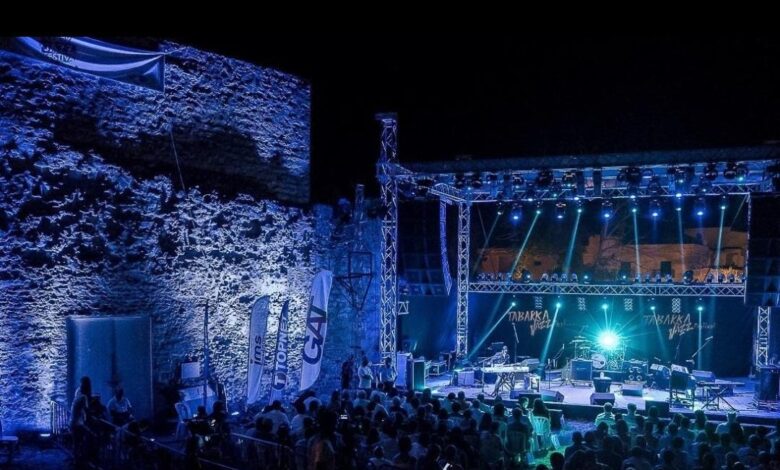
The Tabarka International Jazz Festival has returned to Tunisia's cultural scene after a six-year absence, a move that has reignited momentum for one of North Africa's most historic music events. The festival features international artists and aims to boost local tourism and the economy, while reviving Tabarka's historic status as a destination for jazz lovers.
Return of a historic festival after years of suspension
The first edition of the Tabarka Jazz Festival was launched in 1973. After a hiatus of several years, it returned this year with a large audience and the participation of elite international and Tunisian artists, in an effort to restore the festival to the prestigious position it held for decades.
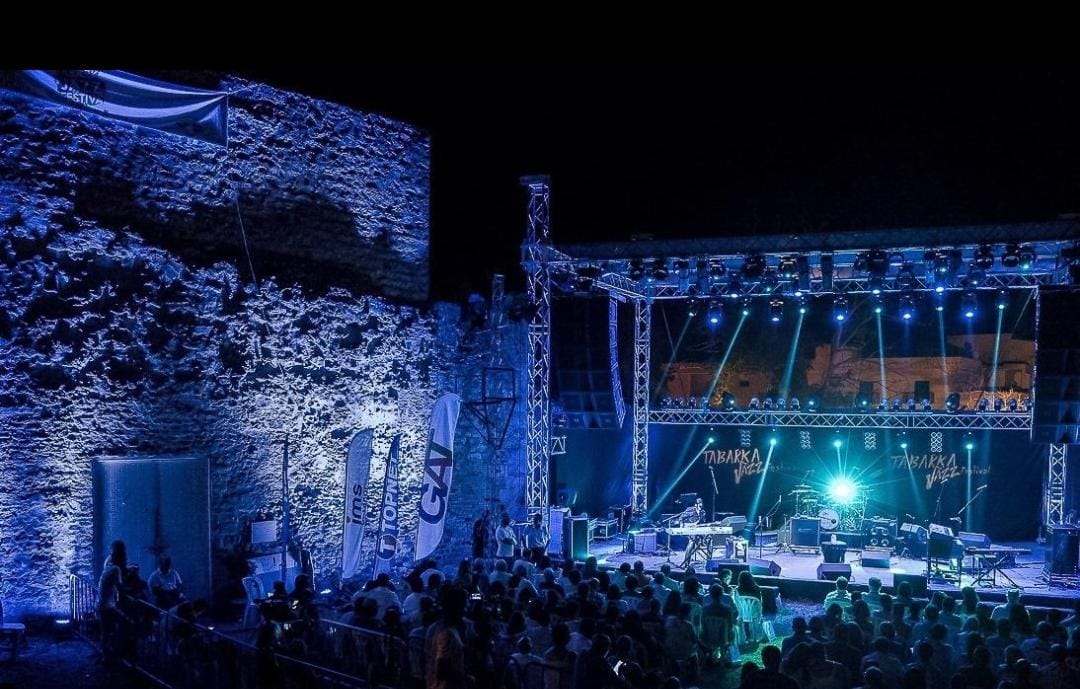
The coastal city hosts the festival's events for a full week, with concerts held at the open-air Sea Theater, one of Tabarka's most prominent cultural landmarks. Tabarka is known as the “Coral Coast” due to its location overlooking the Mediterranean Sea and its surrounding oak forests.
Among the prominent participants in the festival is the American singer Dee Dee Bridgewater, a three-time Grammy Award winner, who expressed her happiness at participating in the new edition after years of hiatus.
She confirmed that the festival's return represents an important event, noting that she was aware of its hiatus for the past six years, and therefore feels proud to be part of its new launch.
Global stars who made festival history
The Tabarka Jazz Festival boasts a long history with major music stars, having hosted prominent names in its previous editions such as Miles Davis, Charles Mingus, and The Temptations, making it one of the most important jazz festivals in Africa and the region.
As the festival's program has expanded in recent years to include world and contemporary music performances alongside jazz, the aim is to attract a more diverse audience from around the world.
Tourism and the local economy benefit from the festival's return.
The festival's importance is not limited to the cultural aspect, but extends to supporting the tourism sector and the local economy, as tourism officials believe its return will contribute to revitalizing tourist activity in the city of Tabarka.
Mohamed Mehdi El-Haloui, Director General of the Tunisian National Tourist Office, confirmed that reviving the festival represents an opportunity to revitalize the entire region, noting that Tabarka's name has been historically associated with this artistic event.
Free parties revive markets
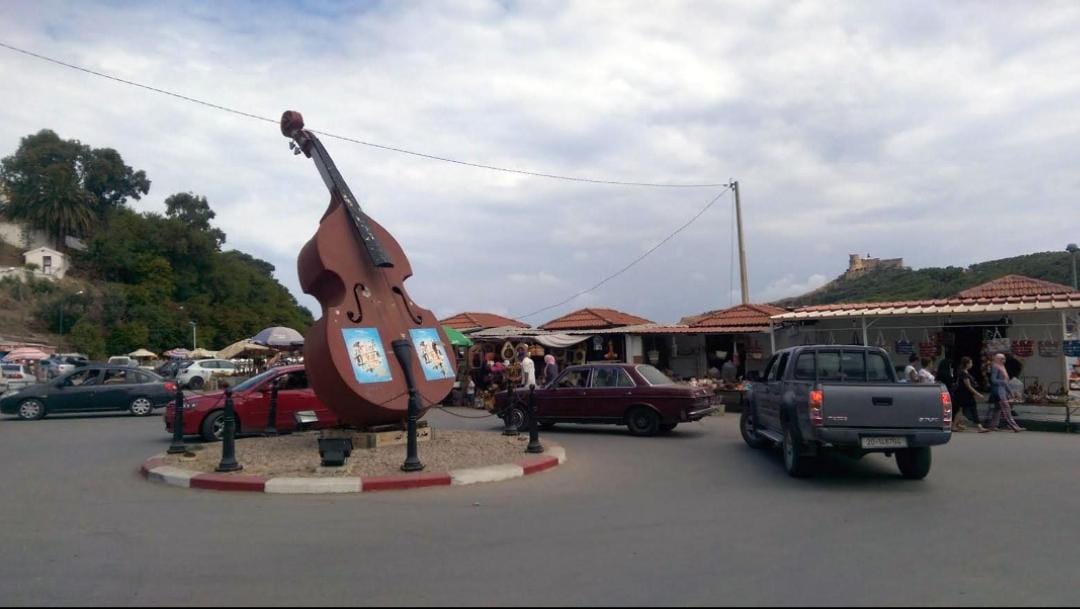
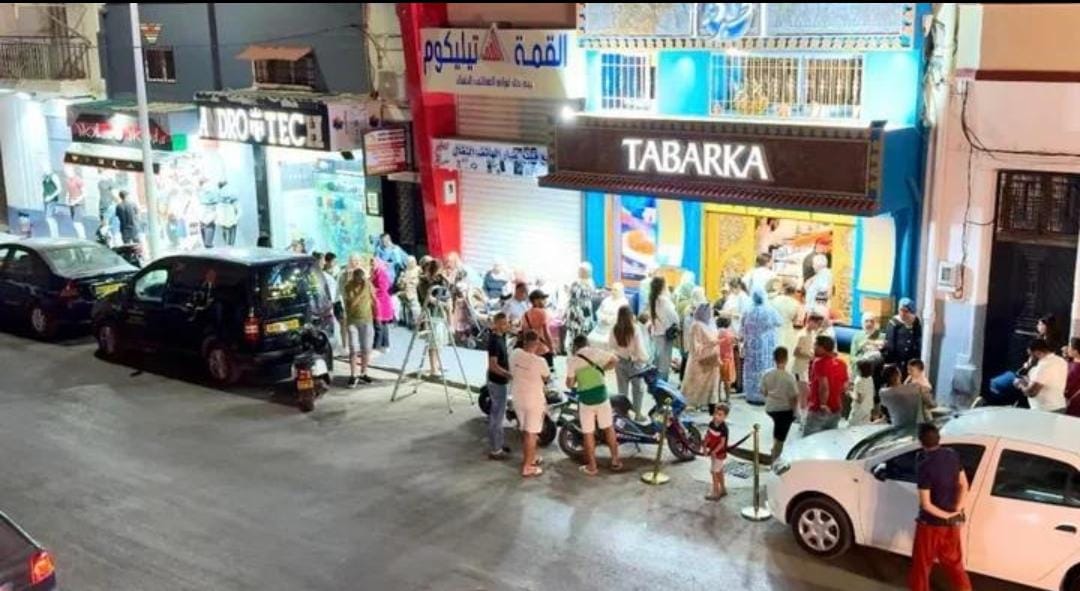
The city's streets also feature free jazz performances every evening, which attract large numbers of visitors and help boost activity in markets and shops.
Fawzi Tarouti, a shop owner in the city, said that the festival gives a strong boost to commercial activity, as the influx of visitors stimulates the local economy. He expressed his hope that the festival would become an annual event without interruption.
Get ready for the next version.
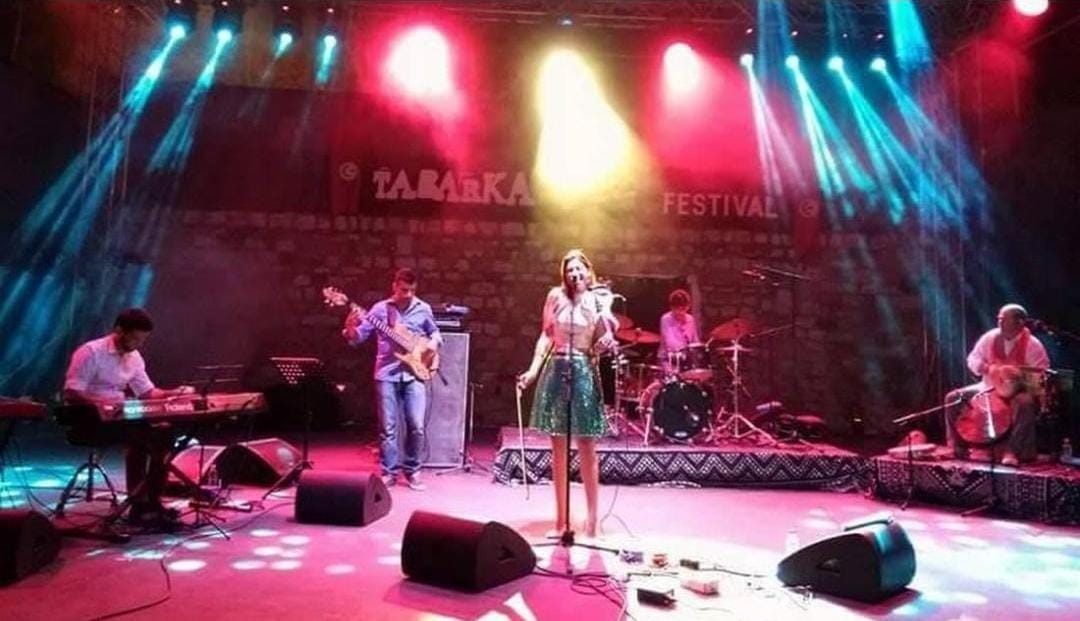
The current edition concludes on July 9th, but audiences and locals have already begun looking forward to the 2027 edition, hoping the festival will continue annually as one of Tunisia's most prominent cultural and tourism events, and a window reflecting the country's standing on the international music festival map.