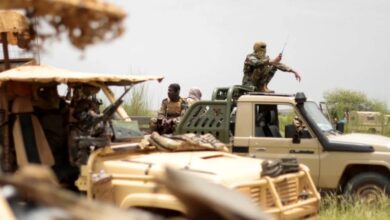
From sheep to cows... How has inflation changed Eid rituals in Mali?
Livestock traders justify the high prices by citing increased transportation and feed costs, as well as the security crisis.
Written by: Mohammed Omran
A few days before the arrival Eid al-AdhaLivestock markets in Mali’s capital, Bamako, are experiencing overcrowding and intense activity, amid an unprecedented rise in sheep prices and increasing security concerns due to terrorist threats surrounding the city.
Despite warnings about the security situation, a large number of livestock breeders and traders returned to the Malian capital after some main roads were secured, in an attempt to salvage a season that is considered one of the most important economic seasons associated with Eid al-Adha.
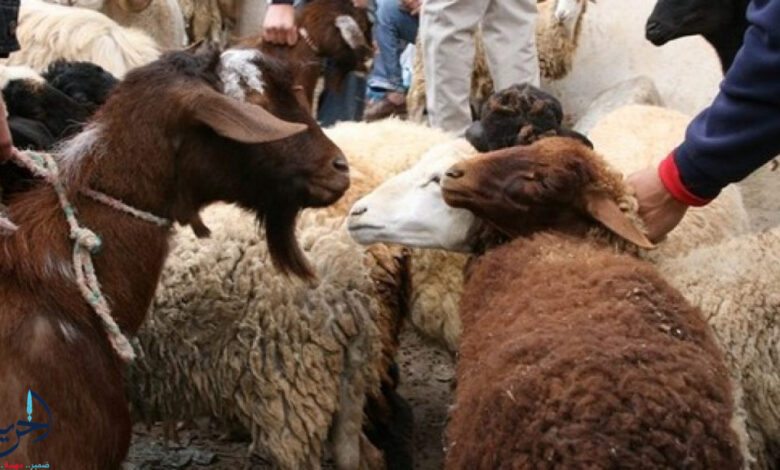
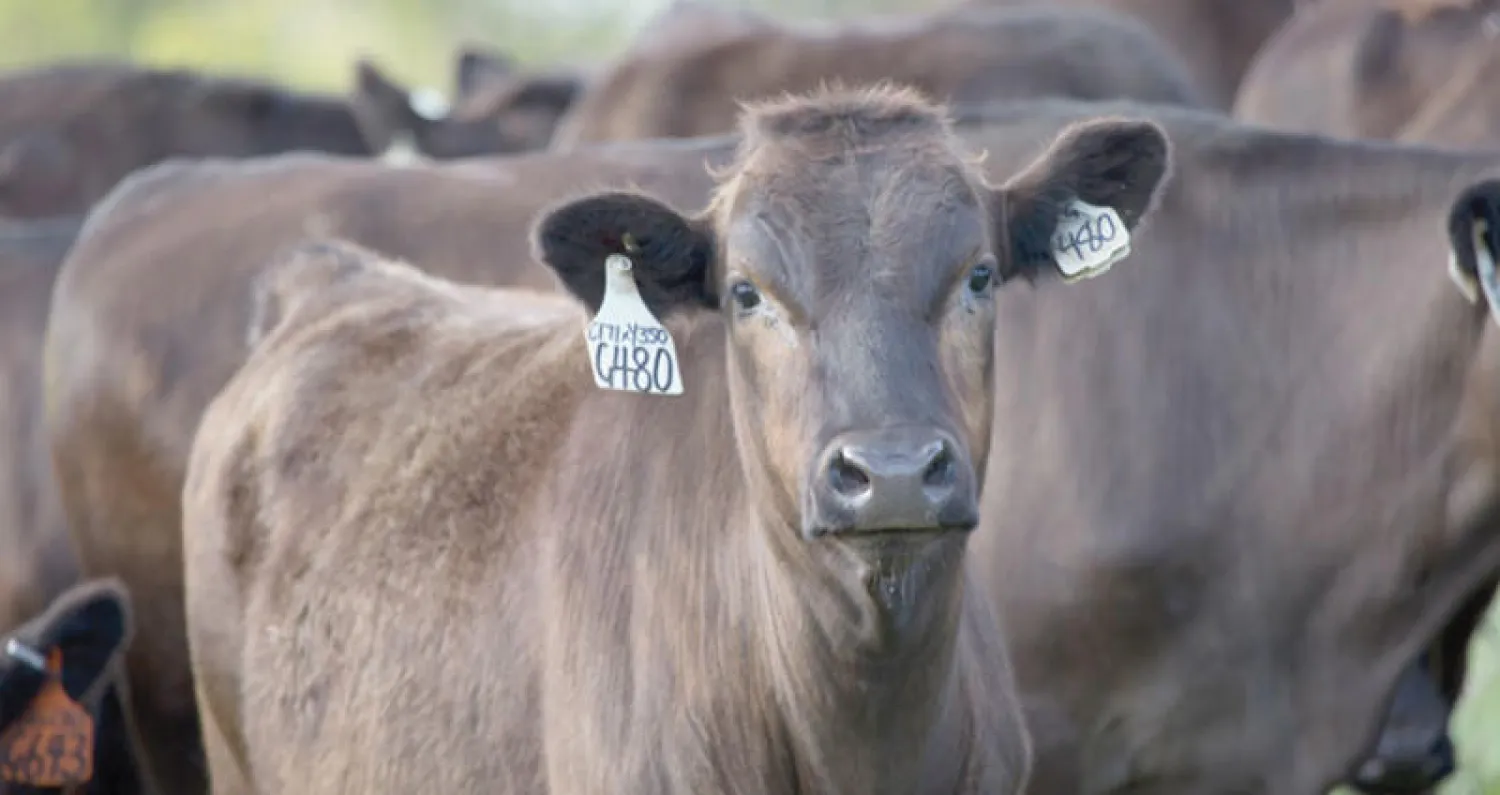
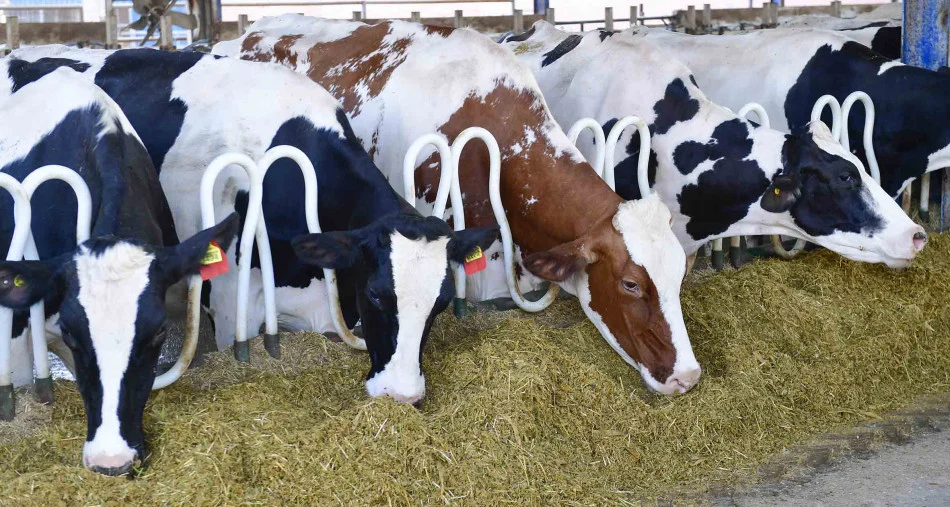
But the economic crisis and the high costs of transportation and feed have pushed sheep prices to record levels, forcing many citizens to look for cheaper alternatives, most notably buying cows collectively through what is known locally as ”meat tontinat,” a collective savings system that allows the cost of the sacrifice to be shared among several people.
Several residents of Bamako say that sheep prices this year have become unaffordable for many families, especially since prices have doubled compared to last year. In some markets, a sheep is now selling for around 175,000 CFA francs, while some sheep were selling for about half that price last year.
Livestock traders believe that the price increase is due to several factors, primarily the security crisis, rising feed prices, and transportation costs, in addition to the authorities' decision to move livestock pens from the center of the capital following the terrorist attack that targeted security facilities and Bamako airport in September 2024.
Traders assert that the market is subject to the law of supply and demand, especially given the difficult economic conditions the country is going through, while citizens are calling on the government to intervene to curb the wave of inflation and facilitate access to sacrificial animals at reasonable prices before the Eid.
This crisis reflects one aspect of the complex challenges facing Mali, where economic pressures intertwine with security tensions, directly affecting the details of citizens’ daily lives and even the rituals of religious and social occasions.