Rapid Ebola outbreak causes 80 deaths in Congo
Mongpallu Health District is the epicenter of the outbreak.
Written by Ziad Abdel Fattah
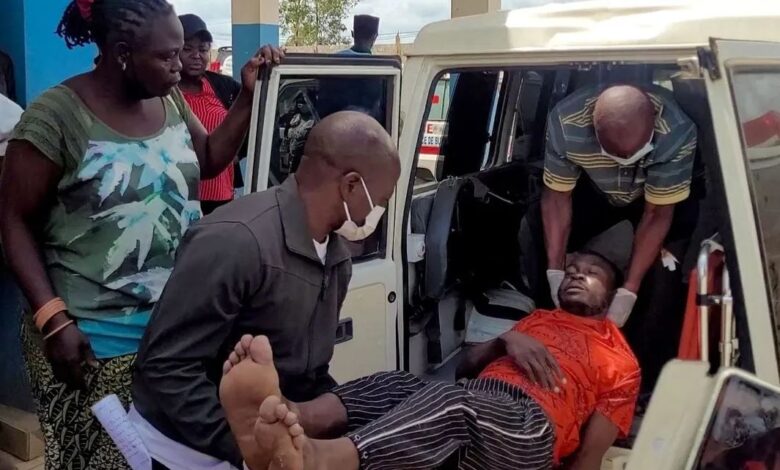
The Ebola virus outbreak caused rapidly spreading The Bundibugyo strain has killed more than 80 people in the Democratic Republic of Congo and reached the major city of Goma, prompting the World Health Organization to declare an international health emergency amid fears that the true scale of the crisis is much larger than reported.
Professor Jean-Jacques Muyembe, president of the National Institute of Biomedical Research, confirmed that the epicenter of the outbreak is in the Mongbalu health district, from where the infection is rapidly spreading to Bunya and Ruampara, and now to Goma.
The epidemic will spread very quickly.
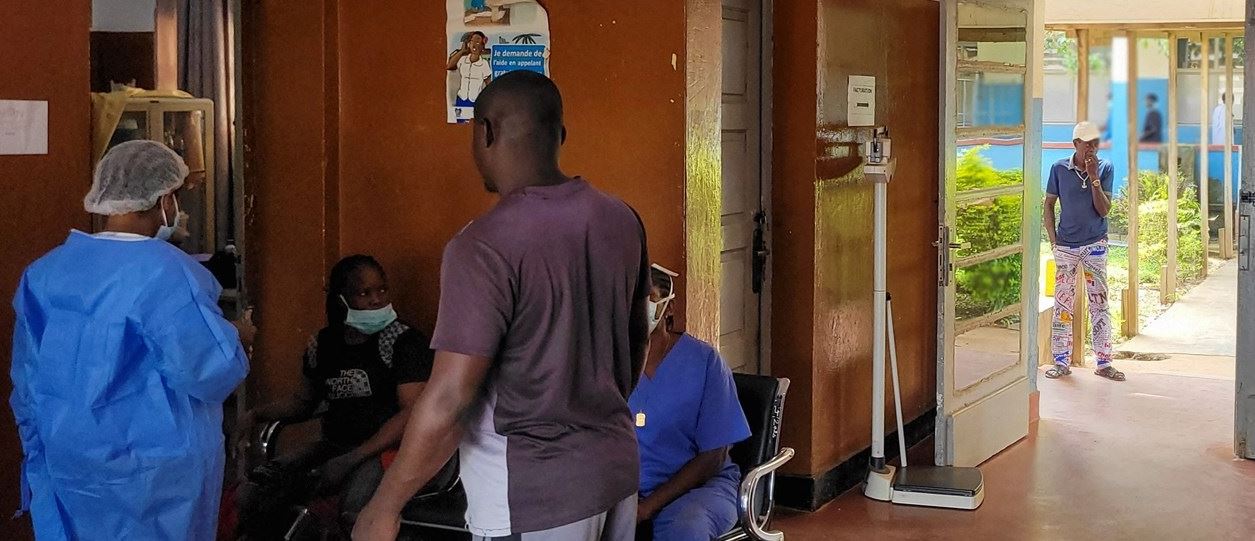
Health officials warned that the outbreak is spreading in a densely populated and conflict-affected area, complicating containment efforts.
Muyembe added that it is an epidemic that will spread very quickly, and there are many armed groups in this province, which will make managing this epidemic extremely complicated.
The World Health Organization warns of a rise in infections.
The Director-General of the World Health Organization, Tedros Adhanom Ghebreyesus, announced that the situation now constitutes a public health emergency of international concern, the organization's second-highest alert level.
He stressed that the outbreak did not meet the criteria for a pandemic emergency, but warned that there were significant uncertainties about the true number of infections and the geographical spread.
The Africa Centres for Disease Control and Prevention reported 88 deaths and 336 suspected cases, while Doctors Without Borders is preparing a large-scale response, describing the rapid spread as extremely worrying.
A strain with no vaccine
The outbreak includes the Bundibugyo strain, which was first identified in 2007.
Unlike the Zaire strain – for which vaccines exist – there is no approved vaccine or specific treatment for Bundibugyo disease, and its mortality rate can reach 50%.
The Democratic Republic of Congo's health minister, Samuel Roger Kamba, confirmed that patient zero was a nurse who reported symptoms in Bunia on April 24. Uganda also reported one death linked to the same strain.
A fragile health system under pressure
Local civil society organizations described the situation as appalling because there is nowhere to isolate patients. They are dying in their homes and their family members are handling their bodies, said Isaac Nyakolinda in Bunya.
Poor road conditions, insecurity, and limited laboratory capacity mean that few samples are being tested, raising concerns that the outbreak is much larger than official figures suggest.
The World Health Organization notes that the high positivity rate, confirmed cases in two countries, and increasing reports of suspected infections all point to the possibility of a much wider outbreak.
High regional risks
This is the 17th Ebola outbreak in the Democratic Republic of Congo, a country four times the size of France with a population of over 100 million. The deadliest outbreak in the region, which occurred between 2018 and 2020, killed nearly 2,300 people. .
The Ebola virus is spread through bodily fluids, and its symptoms include fever, vomiting, and bleeding. The incubation period can last up to 21 days.
While Doctors Without Borders mobilizes staff and equipment, the World Health Organization intensifies monitoring.
Authorities warned that the coming weeks will be crucial in determining whether the outbreak can be contained.