Soaring diesel bills push Africa's towers towards green energy
Solar energy is a new lifeline for communication networks in Africa.
Written by Khaled Mahmoud
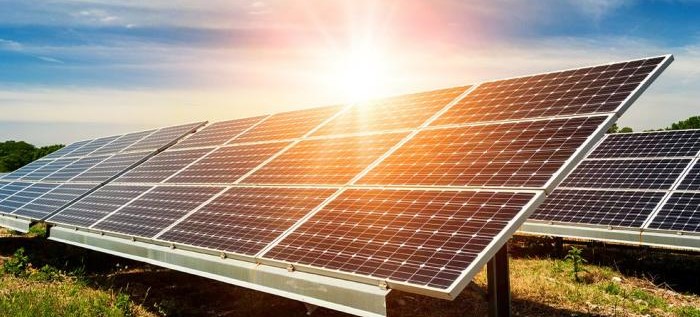
The sharp rises in prices caused dieselrelated to the repercussions of the war IranianThis is accelerating a radical transformation in Africa's telecommunications sector, as operators have rushed to replace fuel-consuming generators with solar-powered systems to ensure the continuity of mobile networks and control escalating costs.
Most of Africa's 500,000 telecommunications towers rely on diesel, but recent price spikes and supply disruptions have made this reliance costly and unreliable. Some fuel-importing countries have reported severe shortages, forcing operators and governments to reconsider their energy strategies.
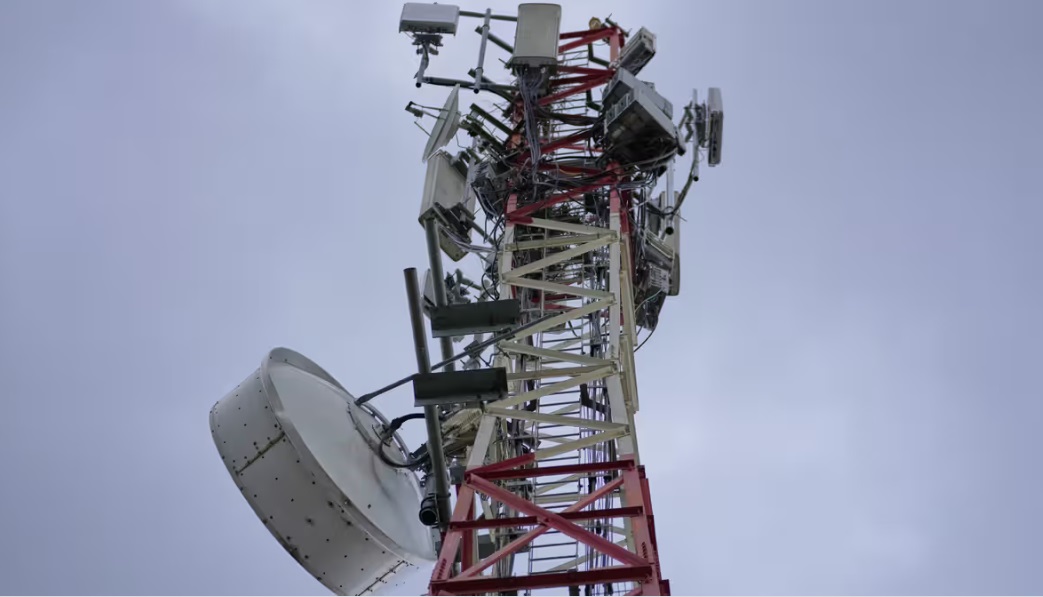
Landy Abudu, from the GSMA (Global System for Mobile Communications Association), said: "Recent global events have made the cost of diesel more volatile, reinforcing the case for a shift towards solar and hybrid solutions.".
Financial pressures are driving the move towards green energy.
Energy accounts for up to 60% of tower operating costs in remote areas. With diesel prices soaring to record highs—as in Nigeria where the price jumped by 200% after subsidies were lifted—telecom companies are forced to spend hundreds of millions of dollars just to keep the towers running.
Vodacom Africa announced a 5% increase in energy costs, reaching $300 million by 2025, while Safaricom raised over $150 million through green bonds to finance its solar transformation. Additionally, the US-based Atlas Tower Kenya is investing $52.5 million to build 300 new solar-powered towers, according to press reports.
Initial results have shown tangible success; MTN South Sudan reduced its fuel spending by 30%, while Airtel Africa halved its diesel use at its sites in Zambia and Congo.
Sustainability of networks in disadvantaged areas
Beyond the cost, solar power contributes to improved grid stability; fuel shortages have previously led to outages in northern Nigeria and Congo, disrupting mobile money services and emergency calls. Solar towers avoid these outages, providing more consistent connectivity.
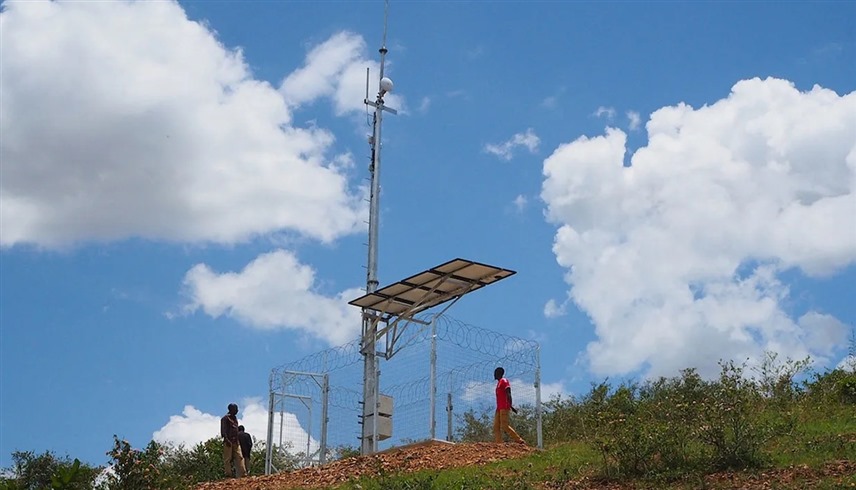
In rural Kenya, residents confirmed an improvement in service quality when these towers stopped, and some pointed out that solar power made a real difference.
A radical transformation that goes beyond communications
Regulators see broader prospects for this transformation, with the Nigerian Telecommunications Authority encouraging operators to integrate towers into mini solar networks that can supply electricity to nearby homes and businesses.
Although Africa’s heavy reliance on diesel – resulting from weak electricity grid infrastructure – makes the transition a major challenge, industry experts stress that the move to clean energy has become inevitable in light of the instability of global fuel markets.