African drums... the language of the dark continent that created the rhythm of the world
History of African drums
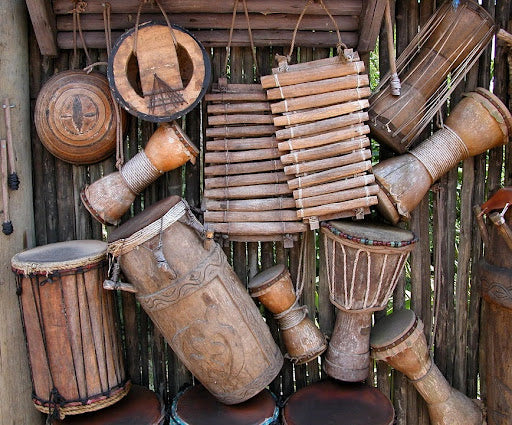
It has always formed drums A fundamental pillar of African culture for centuries, its function was not limited to music alone, but extended to being a means of communication, a tool for spiritual expression, and a pivotal element in social life.
The history of drum use in African societies reveals a deep connection to tradition, storytelling, and identity formation, in a continent that includes more than 3,000 ethnic groups, each with its own rhythmic and cultural distinctiveness.
Drums in African History
The history of drumming in Africa dates back thousands of years, with archaeological evidence confirming its presence in ancient civilizations.
Their uses varied across different regions. In West Africa, “talking drums” were used to carry messages over long distances, while in the center of the continent, “Ngoma” drums played an important role in celebrations and gatherings.
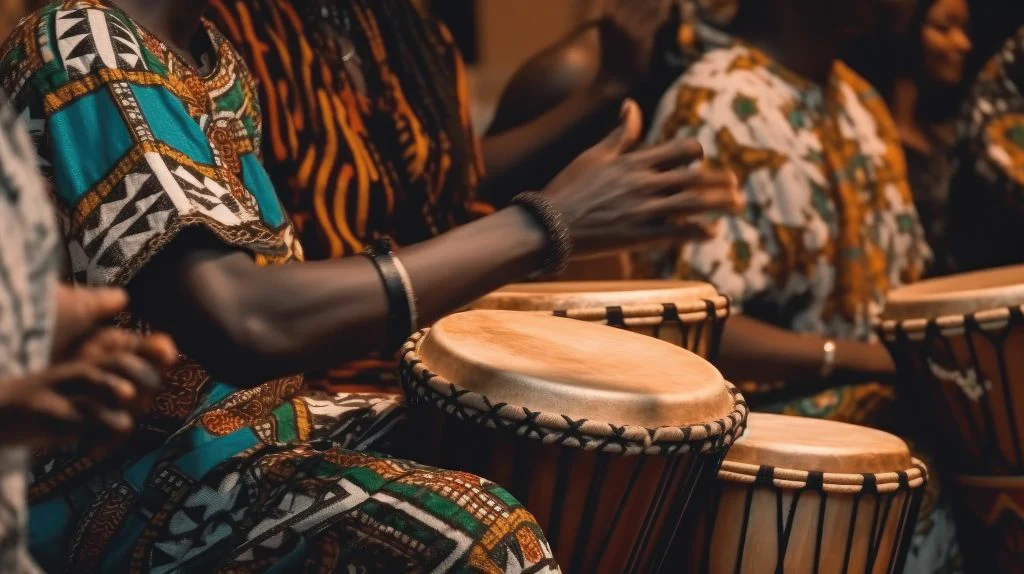
In North Africa, frame drums were also part of spiritual rituals, associated with states of ecstasy and meditation. The functions of drums were not limited to daily life, but extended to the administration of government affairs, as some royal courts in the eighteenth century relied on rhythm as a means of communication and organization.
A pivotal role in wars and religious rituals
Drums were also used in warfare, where their rhythms helped coordinate attacks and motivate warriors.
In the religious context, it was an essential element in spiritual rituals, and some types of it, such as the “Bata” drums, are still used today in traditional worship such as the Orisha rituals, reflecting its continued presence in African spiritual life.
Types of African drums
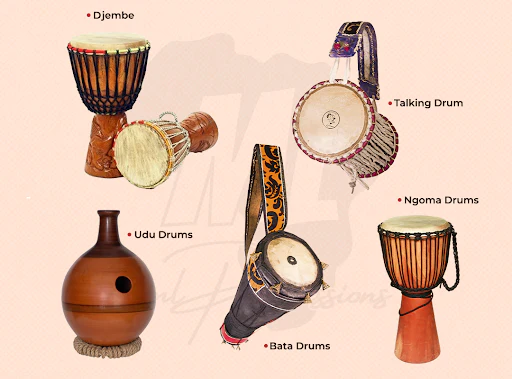
Africa has more than 100 types of drums, varying in shape, size and use, and each type embodies an aspect of cultural heritage.
The “Djembe” drum is one of the most famous of these types. It is a cup-shaped drum that originated in Mali and is used in celebrations and healing rituals. It has spread widely around the world.
The “talking drum” in Yoruba culture is known for its ability to mimic the human voice, while “Ngoma” drums are used in Central and East Africa for social and official occasions.
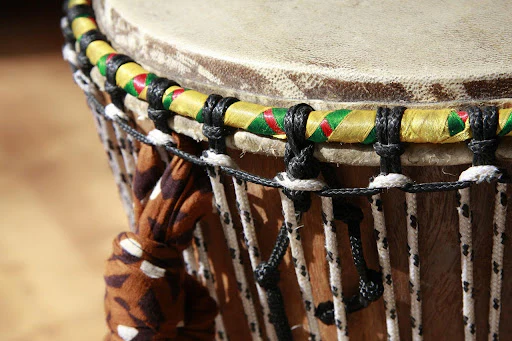
The “Odo drum,” made of clay in Nigeria, is distinguished by its deep tones, highlighting the unique sonic diversity of African drums.
Pioneers of African drums and their global influence
Several African drummers have contributed to bringing this art to the world, including Mamadi Keita, who helped spread the art of Djembe, and Babatunde Olatunji, who introduced African rhythms to Western audiences.
Tony Allen is also considered one of the most prominent pioneers of Afrobeat music, as he blended traditional rhythms with modern music, which contributed to the development of this musical genre globally.
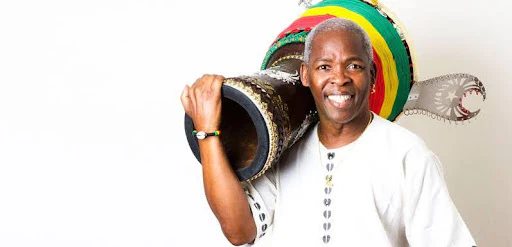
This field has also seen an increasing presence of women, an indication of the evolving African music scene.
African drums in modern music
African drums have become a key element in many modern musical styles, such as Afrobeat and Amapiano, and have clearly influenced hip-hop and R&B music.
Many international artists draw on African rhythms in their work, reflecting the profound influence of this heritage on world music.
A global impact that transcends borders
African drums have directly influenced jazz and blues music, and recent studies indicate that over 70% of global pop music rhythms are inspired by African rhythms.
This is underscored by Tony Allen's statement: "Without African drums, there is no rhythm in modern music," referring to the pivotal role these instruments play in shaping the global music scene.