Madagascar... It has 90% of plants and animals that are unparalleled in the world
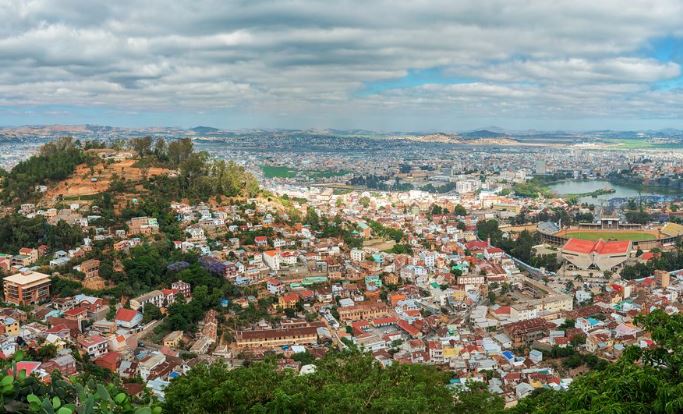
Madagascar is a magical island nation, the fourth largest island in the world, a unique island nation that captures the imagination with its exciting biodiversity, rich culture, and magnificent geological wonders.
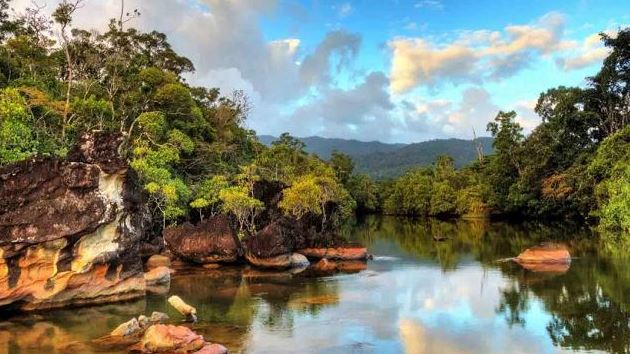
Madagascar's terrain varies between dense rainforests, dry deserts and grassy plains that cover the island, and is surrounded by coral reefs and mangrove forests along its coasts.
The island contains 90% of plants and animals that are not found anywhere else on Earth. This island offers a unique experience for travelers in Africa.
10 facts about Madagascar
1. The fourth largest island in the world
Madagascar is the fourth largest island in the world, after Greenland, New Guinea and Borneo, and is often referred to as a ”mini-continent” due to the diversity of its terrain and climate.
2. Unique biodiversity in Madagascar
Madagascar is renowned for its incredible biodiversity, with its native flora and fauna having evolved in isolation since separating from India 88 million years ago. Powerful ocean currents have kept it separate from the African continent. Approximately 921 TP3T of mammals, 891 TP3T of plant species, and 951 TP3T of reptiles are endemic to the island.
3. An animal found nowhere else on Earth
The lemur is found nowhere else on Earth except on the island of Madagascar. A lemur in Zombetse National Park, Madagascar.
4. Half of the world's chameleon species
Half of the world's chameleon species are found in Madagascar, which is home to approximately half of the world's 150 chameleon species, including the largest and smallest. Parson's chameleon holds the title of the largest, reaching up to 65 cm in length.
5. An unusual predator of animals
Madagascar is home to the fossa, the island's largest carnivorous mammal. With cat-like claws, a monkey-like tail, and weasel-like round ears, this fascinating creature is closely related to the mongoose. Weighing up to 10 kilograms, the fossa is a carnivore that preys on small and medium-sized animals.
6. Tree of Life
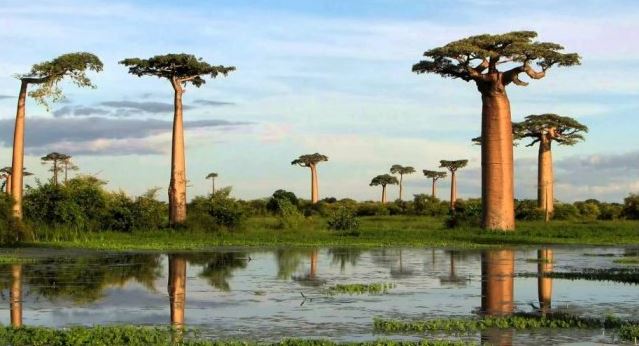
Madagascar is famous for its towering baobab trees, the national tree of Madagascar. The tree's thick, straight trunk swells into a bottle-like shape as it collects rainwater. Known as the "tree of life," the baobab is a vital resource, providing food, water, shelter, and medicinal benefits to both humans and animals.
7. The Malagasy
Humans have only inhabited Madagascar for about 1,300 years. The native Malagasy people are known as Malagasy and boast diverse ancestry from Southeast Asia, Africa, and India. Over the centuries, numerous small kingdoms ruled different parts of the island. They speak the Malagasy language.
8. Unique rituals
The people of Madagascar hold their ancestors in deep respect, practicing a tradition known as "famadihana," or "turning over the bones." During this ceremony, people exhume the remains of their ancestors, rewrap them in new shrouds, and inscribe their names on them as a memorial. They then lift the bodies above their heads and dance around the grave to music before returning them to the family burial plot.
9. Bare-handed fighting
Moringi is a traditional martial art from Madagascar, based on bare-handed punches, kicks, and sometimes headbutting. It is a celebratory competition showcasing strength and skill, usually accompanied by music and performed at festivals and events.
10. Rough roads
Madagascar has one of the least developed road networks in the world. While 70% of main roads are in good condition, it is estimated that around two-thirds of secondary and tertiary roads are in poor condition.