A state of war: The Ariwa Consultative Forum warns of escalating insecurity in Nigeria.
The security situation in Nigeria has deteriorated
Our correspondent Abubakr Sani
The Arewa Consultative Forum (ACF) has declared that the deteriorating security situation in Nigeria has escalated to a “state of war,” calling on the federal government to urgently realign its national priorities and treat security as the country’s most pressing emergency.
This position was stated in a declaration issued at the conclusion of the 38th meeting of the Forum’s Board of Trustees on Wednesday, and signed by its chairman, Bashir M. Dalato.
The meeting was attended by a number of prominent leaders from northern Nigeria, including former government officials, diplomats and security leaders, where they discussed at length the ongoing violence across the country, particularly in the northern region.
Security challenges in Nigeria
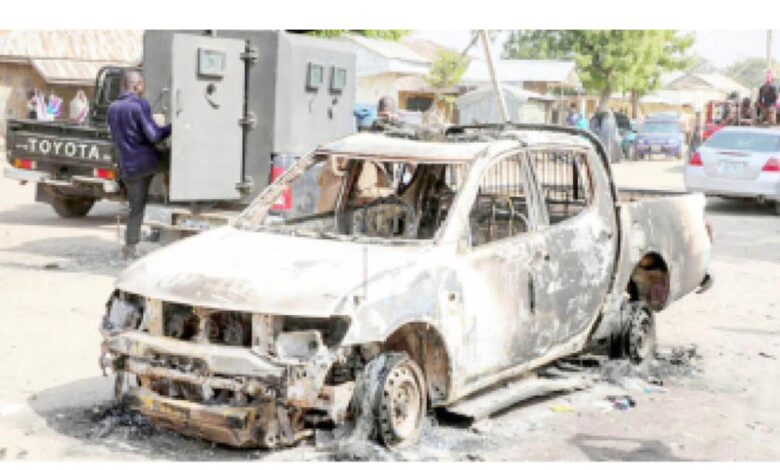
The forum noted that the security challenges in Nigeria have gone beyond being isolated incidents of insurgency, banditry and community clashes, to have evolved into widespread violence that threatens national stability.
According to the forum's statement, the insurgency in the northeast, the road blockades and kidnappings in the northwest and north-central regions, as well as the conflicts between farmers and herders, have combined to create a dangerous situation that requires urgent and decisive action.
The statement read: “The scale, duration, and human cost of the violence demand a radical shift in national priorities,” adding that the crisis should no longer be treated as one among several governance issues, but as a comprehensive national emergency.
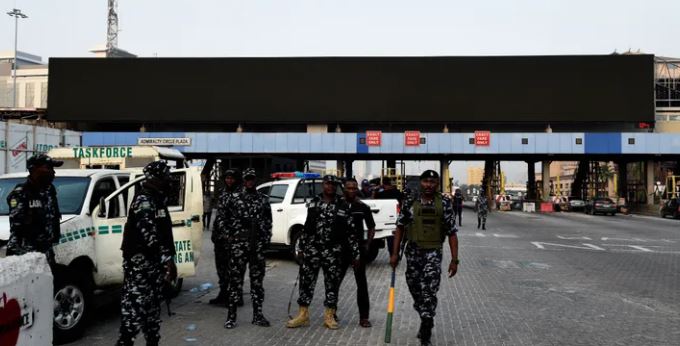
The forum expressed its deep concern over the human toll of the crisis, revealing that hundreds of thousands of Nigerians have been killed or displaced in states such as Borno, Plateau, Niger, Kwara, and others. The victims also include members of the armed forces, including senior officers.
The forum expressed its regret that families have been torn apart, livelihoods destroyed, and entire communities traumatized, warning that the long-term social consequences could be devastating.
The economic repercussions of insecurity
He also highlighted the economic repercussions of insecurity, particularly on agriculture, which remains the backbone of the northern economy.
According to the statement, agricultural activities have been severely disrupted, contributing to food shortages, rising inflation, and the collapse of rural economies.
The statement read: “Insecurity is now directly undermining Nigeria’s economy. The longer the crisis lasts, the more costly it will be to address.”
The forum stressed that redirecting national resources to address insecurity should not be seen as an obstacle to development, but rather as a necessary step to achieve sustainable growth.
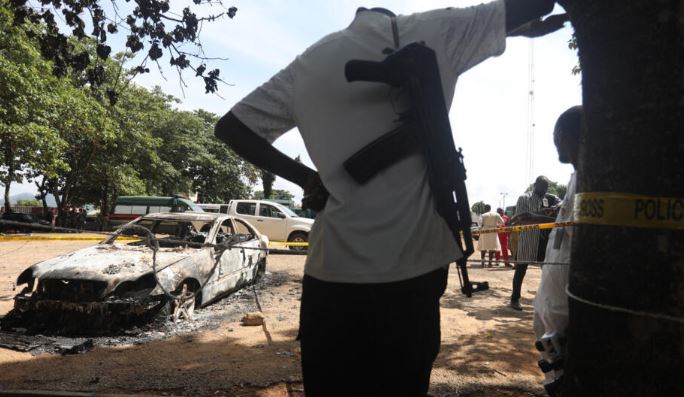
The forum called for what it described as a “wartime approach,” urging the government to temporarily suspend or reduce spending on non-essential projects and direct resources towards ending the security crisis.
The statement explained: “Extraordinary threats require extraordinary measures,” stressing that securing the country must take precedence over other development initiatives.
The forum warned that Nigeria stands at a critical crossroads, with escalating violence posing a serious threat to its unity and future.
He called on the government to act quickly and decisively by mobilizing all available resources and demonstrating strong leadership in the face of the crisis.
The statement concluded that achieving genuine national development will remain impossible until Nigerians can live, move around and work without fear, especially in rural communities.