International Hausa Day: How did they become the largest ethnic group in West Africa?
International Hausa Day: Celebrating a cultural heritage and a language spoken by more than 100 million people
Written by: Badr Ahmed
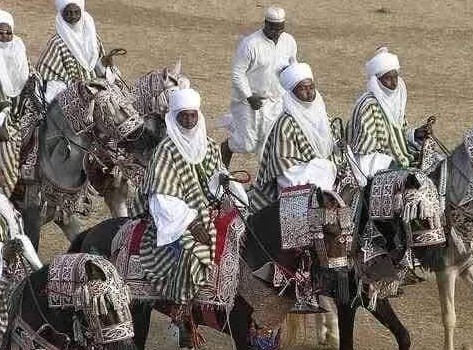
Every August, the Hausa people celebrate World Hausa Day, a cultural event that aims to highlight the language, heritage, and cultural identity of one of the largest ethnic groups in Africa, which is mainly spread across northern Nigeria and southern Niger, in addition to its presence in Ghana, Chad, Cameroon, Sudan, and a number of West African countries, as well as its communities in Europe and the Middle East.
Celebrating one of Africa's largest ethnic groups
The idea for the celebration dates back to 2015 when it was launched by Nigerian journalist Abdulbaqi Aliyu Jari with the aim of encouraging the use of the Hausa language on the internet and social media, and preserving it in the face of digital challenges, before the occasion turned into a global celebration in which cultural institutions, universities and Hausa communities inside and outside Africa participate.
World Hausa Day
Hausa is one of the most widely spoken languages in Africa, with tens of millions speaking it as their mother tongue, while millions more use it as a second language in commerce, education, and media, making it a major language of communication in West Africa. It is also broadcast by international media organizations such as the BBC and Voice of America.
Researchers believe that the importance of Hausa is not limited to its linguistic dimension, but extends to its historical influence on trans-Saharan trade, as ancient Hausa cities such as Kano, Katsina and Daura played a pivotal role in linking West Africa with North Africa and the Arab world through ancient trade networks, which contributed to the spread of Islam, education and Arab culture within the region.
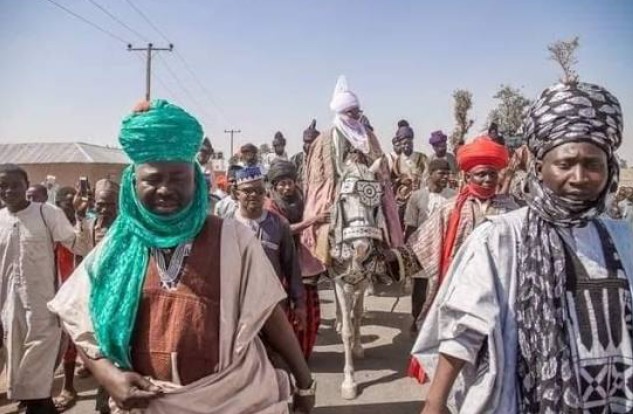
World Hausa Day celebrations include cultural festivals, folk art performances, literary seminars, language competitions, and displays of traditional crafts, clothing, music, and the Dambe dance, one of the most prominent traditional sports of the Hausa people. Events also take place in Nigeria, Niger, and Ghana, in addition to celebrations organized by communities in Europe, Asia, and the United States.
In recent years, the occasion has gained a new dimension with the growing interest in the digitization of the language, as universities and research centers work on developing databases and artificial intelligence models that support the Hausa language, in an effort to enhance its presence in digital applications, machine translation and natural language processing, thus maintaining its position among the most widely used African languages.
World Hausa Day is an occasion to emphasize the importance of cultural and linguistic diversity in Africa, and to highlight a centuries-old cultural heritage that has contributed to shaping the cultural and economic identity of West Africa, and has made Hausa one of the most influential and widespread languages and nationalities in the contemporary African landscape.