Written by: Mohammed Omran
With the start of the qualifiers approaching 2027 Africa Cup of NationsAfrican football is witnessing a wave of technical changes within a number of major national teams, at a time when national federations are seeking to build new projects capable of competing in the coming years.
What comes after the departure of the big-name coaches in Africa? The continent enters a period of technical change ahead of the 2027 Africa Cup of Nations.
The announcement of Belgian coach Hugo Broos' departure from the South African national team, after five years of success, confirms that the continent is entering a new phase, which may witness the end of an era for a number of coaches who have made a clear mark with their national teams.
South Africa: The end of a successful project
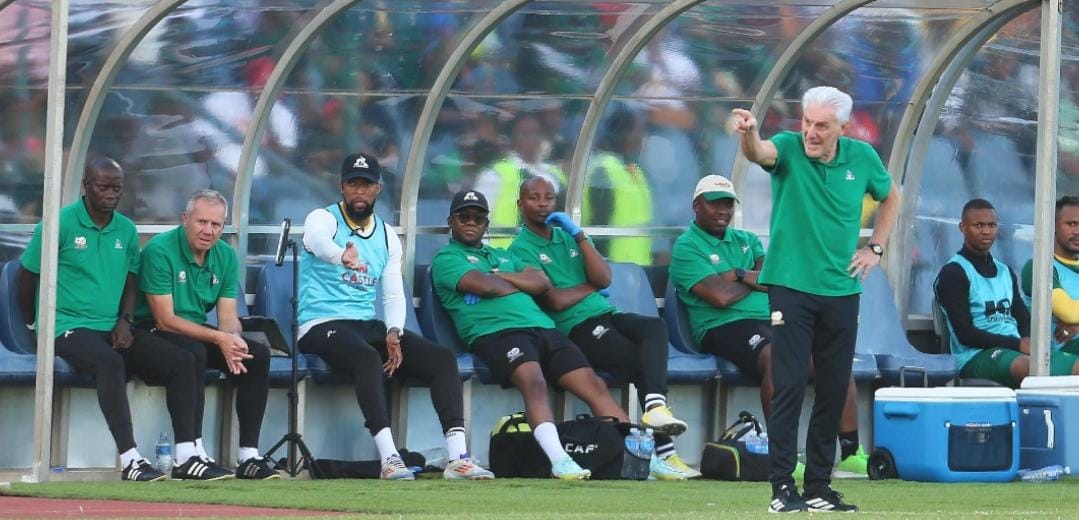
The departure of Hugo Broos is considered one of the most prominent technical changes in the continent during 2026, after he succeeded in bringing the “Bafana Bafana” team back to the forefront, leading them to third place in the African Cup of Nations, and then to a distinguished participation in the 2026 World Cup.
Despite the South African Football Association's desire for him to continue, the Belgian coach preferred to end his coaching career, leaving behind a more stable national team, but one that needs a coach capable of completing the project without losing its technical identity.
Tunisia begins a new phase
In North Africa, the Tunisian Football Federation announced the appointment of Moine Chaabani as the national team's technical director on a long-term contract, a move that reflects the desire of the "Eagles of Carthage" to regain their place among the continent's elite after results that did not live up to the fans' ambitions.
Chaabani faces the challenge of building a new generation capable of competing in the upcoming Africa Cup of Nations, while preserving the identity of the Tunisian national team.
Project construction race
African federations are no longer just looking for a coach who can achieve quick results, but the priority has become building an integrated project based on developing talents, technical stability, and preparing national teams to compete in the long term.
The experiences of Morocco, Ivory Coast and South Africa indicate that technical stability has been one of the most important reasons for success in recent years.
Have the selection criteria changed?
In recent years, there has been a greater reliance on experienced European coaches, but recent years have seen a growing confidence in African coaches, especially after the successes achieved by a number of them with clubs and national teams.
Analysts believe that the next phase may see a mix of European expertise and local competence, according to the needs of each national team.
Africa Cup of Nations 2027: The real test
The 2027 Africa Cup of Nations qualifiers and finals will be the first real test for the new coaches, as they will reveal whether the technical changes will give the teams a new boost, or whether the departure of the big names will affect their stability.
A new era for African football
With the end of the careers of a number of coaches who left a clear mark, African football is entering a different phase entitled “rebuilding”, where federations are betting on new ideas and long-term projects, hoping to raise the level of competition within the continent and achieve better results on the global stage.