Breaking rocks in African mountains: A difficult refuge for women to cope with poverty
الفقر يدفع نساء إفريقيا إلى المحاجر.. تكسير الحجارة مهنة من أجل البقاء
Written by: Badr Ahmed
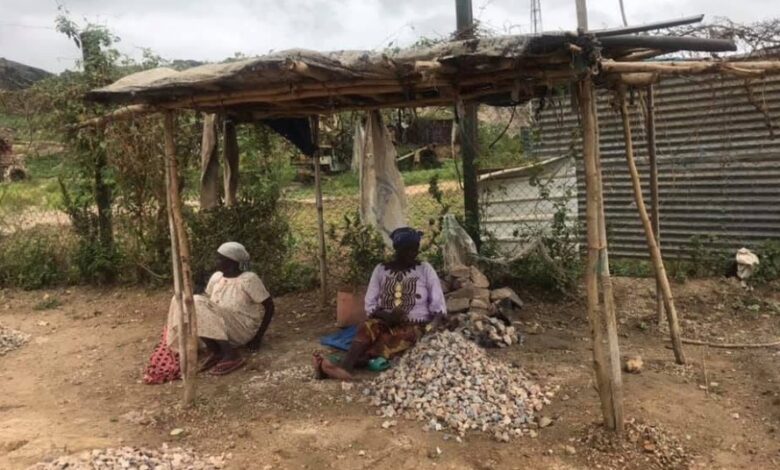
At the break of dawn, hundreds of women carry iron hammers and primitive chisels and head to the foothills and open quarries in a number of African countries, where they begin a grueling daily journey to break rocks and turn them into gravel and building materials, in one of the toughest jobs practiced by women on the African continent.
In South Sudan, particularly in the outskirts of the capital Juba and the Equatoria states, stone-breaking has become a lifeline for thousands of women who lost their husbands to war or conflict, or who are forced to support their families amidst high rates of poverty and unemployment. These women spend long hours under the scorching sun, using heavy hammers to break down large rocks into smaller pieces, which are then sold to construction companies or local traders.
African women break rocks in search of a livelihood
The scene is not much different in Uganda, where traditional quarries are widespread in areas like Mukono and Wakiso, and women work alongside men extracting and breaking rocks by hand. The workers often receive a modest daily wage based on the amount of gravel they produce, which motivates many to work from early morning until sunset.
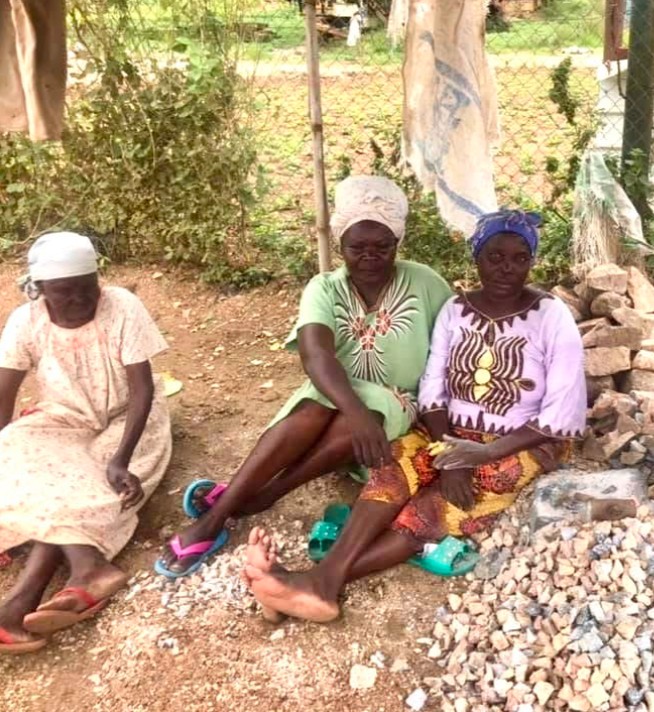
In Kenya, particularly in Kajiado and Machakos counties, a large number of women rely on this occupation after droughts have weakened agricultural activity. The women collect rocks from the mountain slopes, then break them into smaller pieces using metal hammers before packing them into sacks or transporting them to construction sites.
In Tanzania, small quarries are widespread in the areas surrounding Dar es Salaam and in some inland regions, where women work daily. Although the work provides a limited source of income, it remains the only option for many families who do not own farmland or have stable employment opportunities.
Ethiopia also stands out among the countries where thousands of women depend on extracting and selling stones, especially in rural areas near the capital Addis Ababa, where gravel is used in increasing road and construction projects.
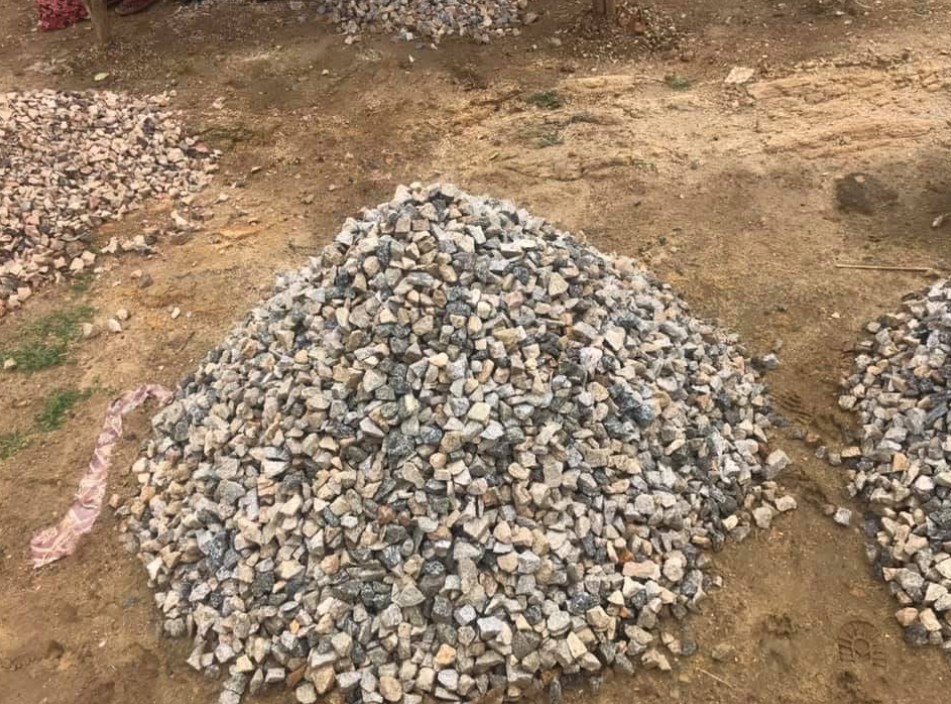
The work typically begins with selecting large rocks from mountains or quarries, then using hammers and chisels to gradually break them into different sizes according to market demands. The stones are then collected into piles or sacks and sold by the kilogram or cubic meter to traders or contractors. In many cases, women are forced to carry the heavy loads over long distances due to the lack of transportation.
Despite the harshness of the profession, most female workers lack basic protective equipment; no helmets, no goggles, no gloves, which makes them vulnerable to eye and hand injuries, in addition to respiratory diseases resulting from inhaling airborne dust, as well as spinal and joint pain due to continuous work.
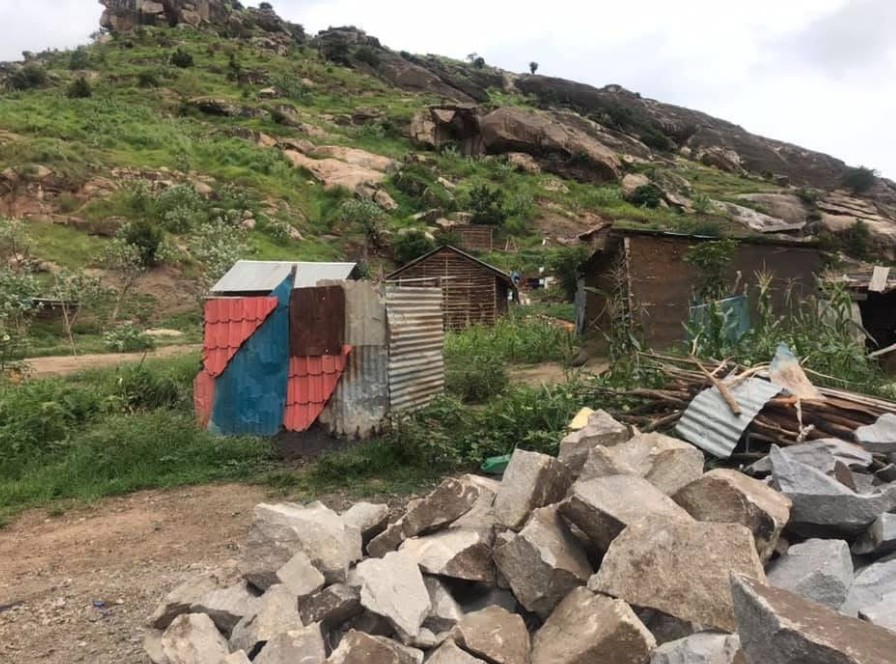
Humanitarian organizations confirm that poverty, armed conflict, climate change, and limited job opportunities have driven thousands of women into this grueling profession, which has become more of a means of survival than a career choice. Amidst the relentless hammer blows, these women continue their daily struggle, not only to break rocks but also to escape the cycle of poverty and secure a better future for their children—a scene that encapsulates the magnitude of the challenges facing African women in their quest to provide for the most basic necessities of life.