From brown gold to crisis: The collapse of cocoa prices exacerbates the suffering of West African farmers.
Written by: Mohammed Omran
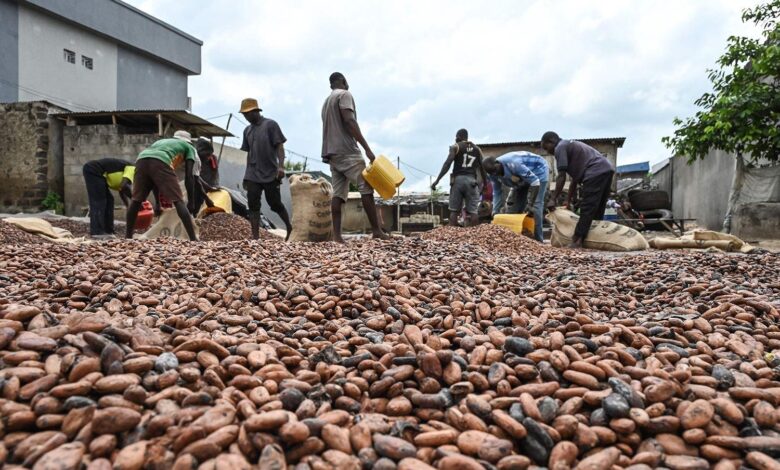
Markets witnessed cocoa Globally, the price per ton has undergone a sharp transformation, dropping from about $13,000 in 2024 to nearly $3,000 in April 2026. This has directly impacted the situation of approximately 2.5 million smallholder farmers in West Africa.
The collapse in cocoa prices is exacerbating the suffering of West African farmers.
In Ivory Coast, a number of farmers confirmed that they have become unable to provide for the basic needs of their families, with some of them having to choose between educating their children or using them in the fields to reduce production costs, in light of the unprecedented decline in returns.
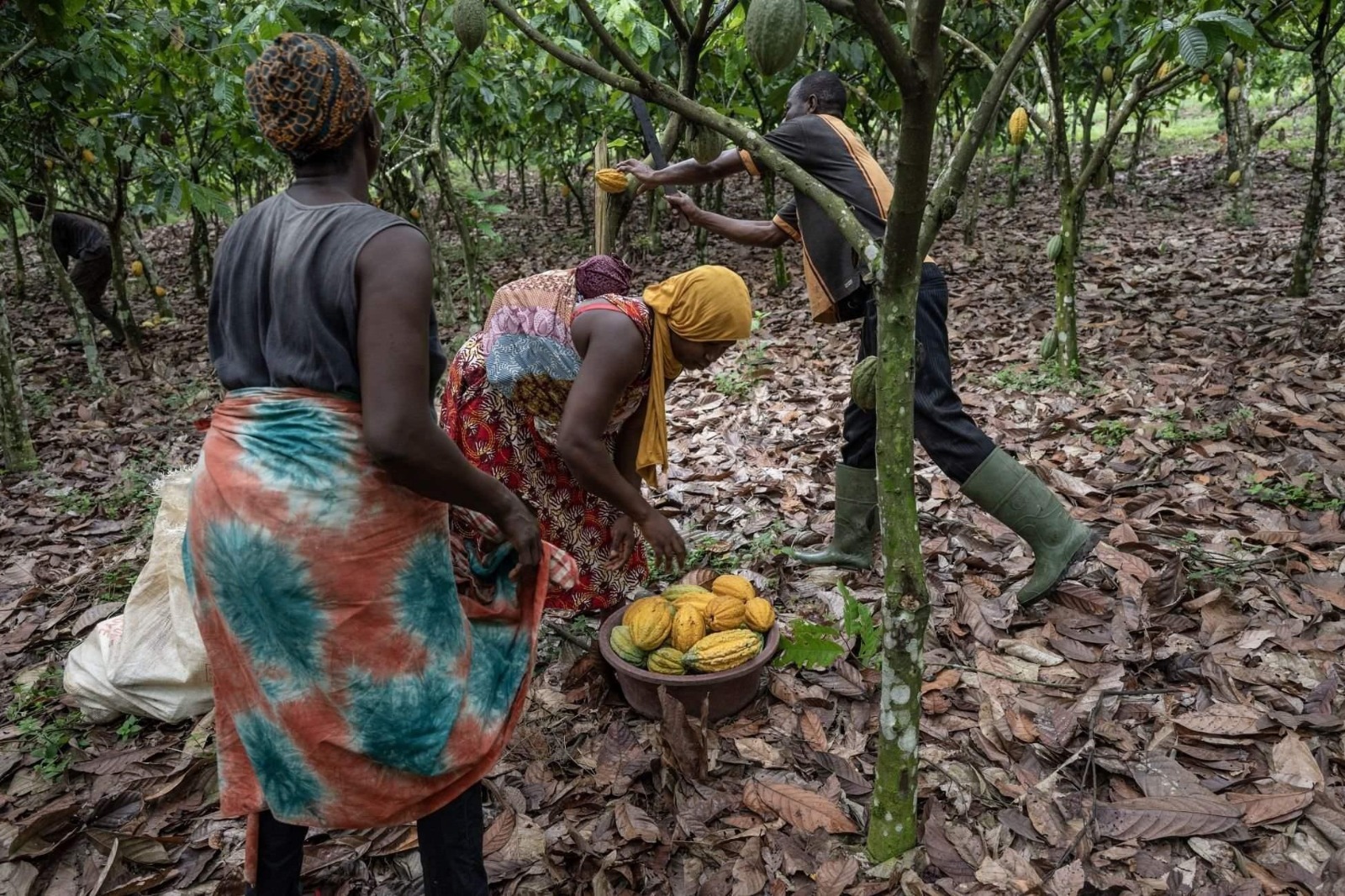
The situation is not much different in Ghana, where farmers are facing delays in receiving their financial dues after a decline in cocoa purchases by middlemen, which has caused damage to part of the crop and the inability of producers to pay workers' wages or pay their children's school expenses.
Industry experts attribute the crisis to several factors, most notably improved production forecasts after a period of weak crops, along with a decline in global demand for cocoa as a result of its previously high prices, which prompted chocolate manufacturers to reduce its use or look for cheaper alternatives.
The strength of the US dollar and increased speculation in global markets also contributed to accelerating the pace of price declines, after a number of traders rushed to sell futures contracts to realize profits before the decline continued.
Ghana and Ivory Coast produce about two-thirds of the world's cocoa, but the bulk of the profits go to global companies involved in the trade and manufacture of chocolate, while farmers receive a limited percentage of the final value of the product.
The decline in prices has led to huge quantities of cocoa piling up in ports, with some companies refraining from buying in anticipation of further price drops, which has increased the pressure on local producers.
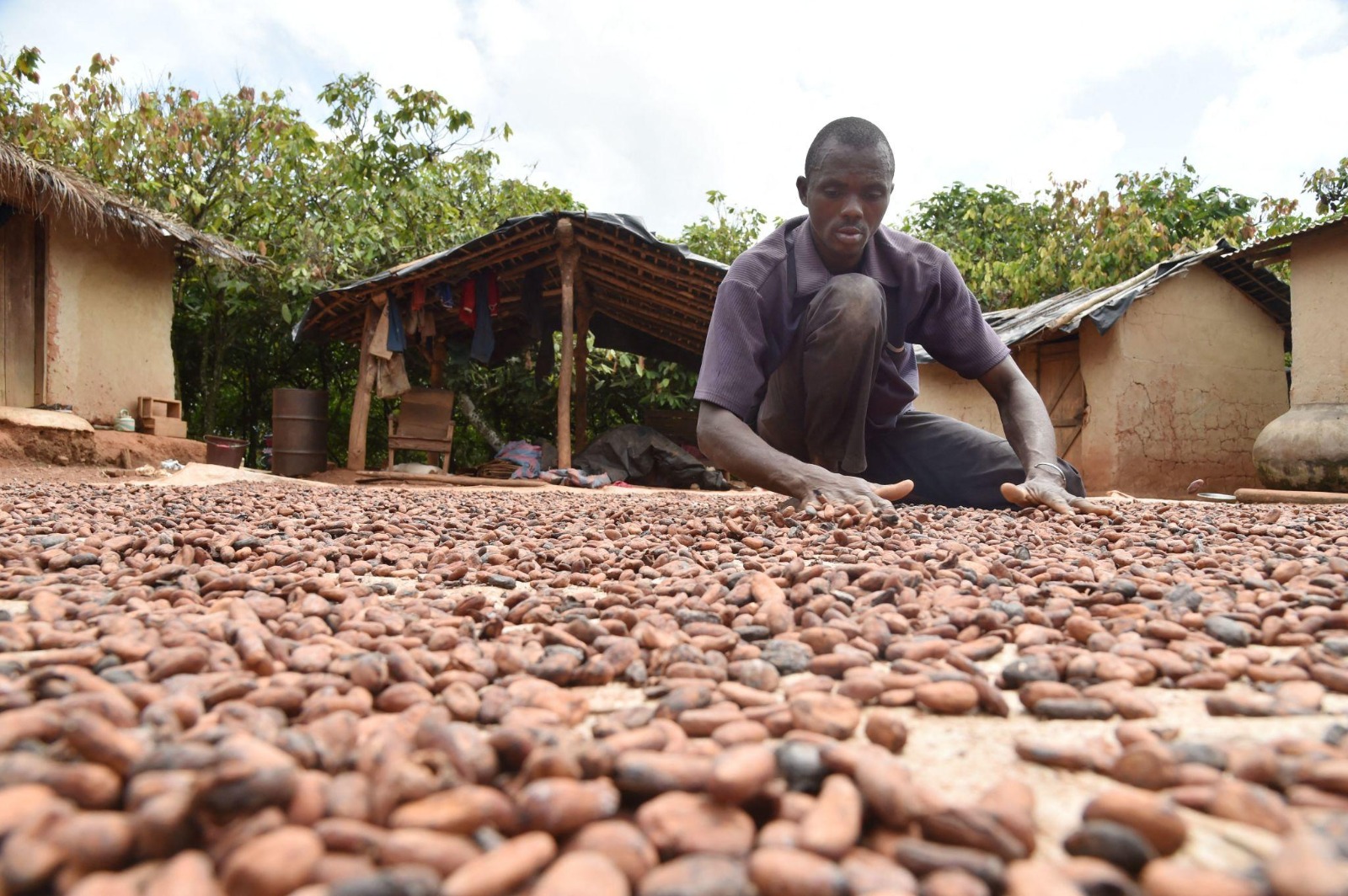
In response to the crisis, the governments of Ghana and Ivory Coast resorted to adjusting pricing policies to try to protect farmers, but many industry representatives believe that these measures were not enough, calling for more flexible policies that can cope with the fluctuations of the global market.
The crisis highlights once again one of Africa’s most prominent economic challenges: the continued export of raw cocoa, while manufacturing and value-adding processes take place in Europe and Asia, depriving producing countries of greater economic returns and new job opportunities.
At the same time, global chocolate companies are facing increasing pressure to adhere to stricter standards in the areas of sustainability and human rights, especially with the introduction of new European regulations on preventing deforestation and sustainable supply chains.
Experts believe that the future of the cocoa sector in West Africa requires a comprehensive restructuring of the value chain, including support for local manufacturing, providing fair prices for farmers, and improving productivity, in order to ensure the sustainability of this vital sector on which millions of families on the continent depend.