
Human Rights Council approves urgent UN investigation into Darfur violations
The escalating violence in Sudan
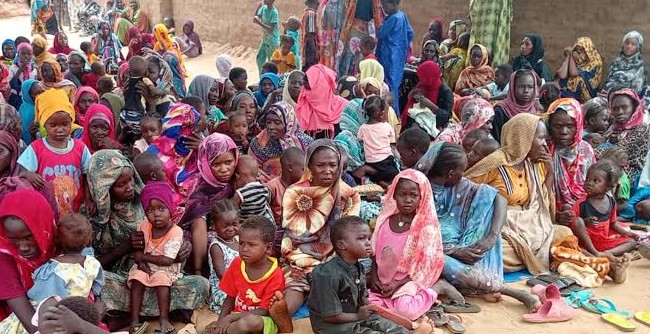
Written by Ziad Abdel Fattah:
The United Nations Human Rights Council adopted UnitedOn Monday, it decided to condemn the escalation of violence attributed to the Rapid Support Forces in the vicinity of the city of Al-Ubayyid in North Kordofan state, and unanimously agreed to form an urgent investigation committee to look into the alleged violations witnessed in the region.
The decision was made on the initiative of the United Kingdom, with the participation of 14 countries, amid growing international warnings of the risk of widespread violations as the Rapid Support Forces continued to mobilize their fighters around the city of El Obeid, a scene that recalled the events that occurred in El Fasher city in North Darfur state last year.
The international community is called upon to act
The UK's human rights ambassador, Eleanor Saunders, told the council that the international community is required to act to prevent humanitarian tragedies from recurring, emphasizing that “these horrors must not happen again.”.
On his part, South Africa's Ambassador to the UN, Zerihoun Larebo, described the situation in Al-Abyad as a “red alert,” expressing concern about the repetition of patterns of abuses witnessed in other parts of Sudan.
The UN High Commissioner for Human Rights warned last Friday that a “humanitarian catastrophe” was unfolding in the vicinity of El Obeid, indicating that his office had documented allegations of extrajudicial executions, abductions, torture, and sexual violence targeting civilians in the area.
Rapid Support denies
In contrast, the Rapid Support Forces has repeatedly denied committing such violations since the outbreak of war in Sudan over three years ago, considering the accusations against them to be based on “fabricated” accounts by their adversaries, while in turn leveling similar accusations against the other party in the conflict.
In a related context, the UN spokesperson, Stéphane Dujarric, announced that the Under-Secretary-General for Humanitarian Affairs, Tom Fletcher, held a phone call with the commander of the Rapid Support Forces, Mohammed Hamdan Dagalo, “Hemedti.” During the call, Fletcher stressed the necessity of ensuring safe access for humanitarian aid and the safe movement of civilians, expressing concern about the impact of drone attacks on the population and vital infrastructure.
Dujarric added that the UN Resident and Humanitarian Coordinator in Sudan, Denise Brown, concluded a visit to El Obeid on Sunday, during which she consulted with humanitarian partners to assess the needs of civilians and the repercussions of the military escalation.
Despite the resolution being adopted unanimously, China announced its abstention from its content, considering that it does not support the establishment of investigation mechanisms targeting a specific country without its consent.
In contrast, some countries and human rights organizations felt the decision did not go far enough in identifying the external parties accused of supporting the parties to the conflict, contenting itself with referring to “external support” without naming the countries concerned.
The African human rights organization “Defend Defenders” said the council “did not fully seize the opportunity,” referring to what it described as continued Emirati support for the Rapid Support Forces.
For its part, the Sudanese government continues to accuse the United Arab Emirates of supplying the Rapid Support Forces with weapons during the ongoing conflict. Abu Dhabi has repeatedly denied these accusations, despite reports from UN experts and several US lawmakers who cited credible indications of UAE military support for the Rapid Support Forces.




 Arabic
  English
  French