Rwanda's National Day: The story of a journey from genocide to leadership
Independence Day on July 1st
Written by: Mohamed Ragab
Rwanda celebrates its National Day on July 1st of each year, commemorating its independence from Belgian colonialism in 1962, a day that represents a pivotal moment in the country's history and the beginning of the modern state-building phase after decades of colonial rule.
This day is a national holiday throughout the country, during which national celebrations, military parades and cultural events are held that emphasize the values of unity and national belonging.
This year’s Independence Day comes as Rwanda continues to implement its development plans, focusing on attracting investments, developing infrastructure, and strengthening the digital economy, while continuing its efforts to consolidate its position as one of the fastest-growing economies in Africa.
From colonialism to independence
Rwanda was under German colonial rule from the late 19th century, before its administration was transferred to Belgium after World War I under a League of Nations mandate, and then a United Nations trusteeship system.
On July 1, 1962, Rwanda officially gained its independence, following a referendum held in 1961 that abolished the monarchy, thus beginning a new phase for the country as an independent republic.
Genocide: The most difficult chapter in the country's history
Despite independence, Rwanda experienced one of the worst human tragedies of the 20th century, when the genocide against the Tutsi occurred in 1994, resulting in the deaths of more than 800,000 people in about 100 days.
These events led to the collapse of state institutions, before the Rwandan Patriotic Front succeeded in ending the genocide and restoring stability, and the country began a long phase of national reconciliation and reconstruction.
Rwanda dedicates April 7th of each year to commemorate the victims of the genocide, while on July 4th it celebrates ”Liberation Day”, which commemorates the end of the genocide and the restoration of security.
An economic renaissance has made Rwanda an African model.
Over the past three decades, Rwanda has transformed into one of Africa’s most notable economic success stories, thanks to policies focused on improving the investment climate, fighting corruption, and developing digital government services.
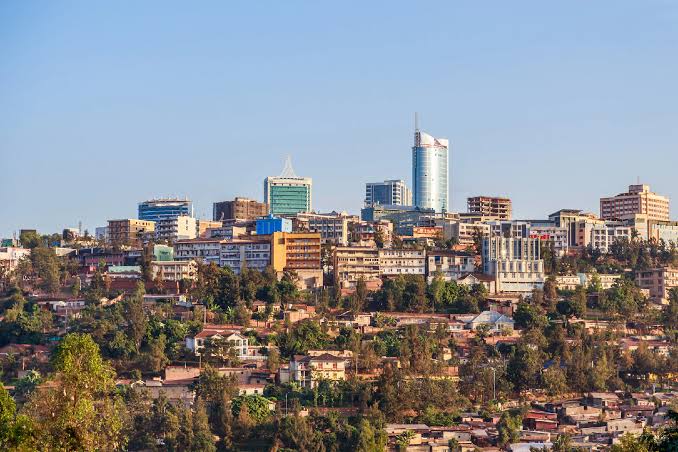
The government is investing heavily in the technology, tourism, modern agriculture, and financial services sectors, and the capital, Kigali, has become a hub for hosting international conferences and events, thanks to its advanced infrastructure and security stability.
Achievements in health, education and women's empowerment
Rwanda has made remarkable progress in human development indicators, with increased school enrollment rates, improved healthcare services, and lower rates of child and maternal mortality compared to decades ago.
Rwanda is also a world leader in women's empowerment, with women holding more than 601,000 seats in parliament, one of the highest rates in the world, reflecting policies aimed at promoting political participation and gender equality.
President Paul Kagame and his role in leading the country
President Paul Kagame has led Rwanda since 2000 and is credited with leading the reconstruction, stabilization and economic development phase, while also facing criticism from human rights organizations regarding political freedoms and human rights.
The Rwandan government affirms that its priority is to maintain security and national unity, ensure continued economic growth, and improve the standard of living of its citizens.
How do Rwandans celebrate their national holiday?
Various Rwandan cities are witnessing official and popular celebrations on this occasion, including raising the national flag, military parades, cultural and artistic activities, in addition to official speeches that emphasize the importance of independence and preserving national unity.
Citizens are keen to remember their country’s journey from colonialism, through the tragedies it experienced, to the stage of development and reconstruction, which made Rwanda one of the most prominent development experiences in Africa in recent decades.