Burundi's National Day: Commemorating Independence and Africa's Development Journey
Written by: Mohamed Ragab
The Republic of Burundi celebrates its National Day on July 1st of each year, commemorating its independence from Belgian colonialism in 1962, a day that marks the beginning of a new phase in the country's history after decades of colonial rule.
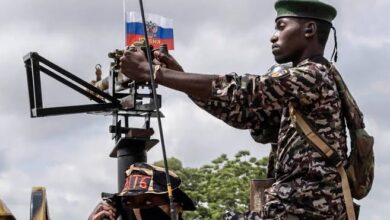
On this occasion, official and popular celebrations are held, including raising the national flag, military parades, cultural activities, along with official speeches that emphasize the importance of national unity and promoting the development process.
Independence Day is one of the most important national occasions in Burundi, where citizens commemorate their ancestors' struggle for freedom and sovereignty, and review the country's achievements despite the political and economic challenges it has faced since independence.
From German colonialism to independence from Belgium
Burundi was under German colonial rule from the late 19th century, before being transferred to Belgian administration after World War I under a League of Nations mandate, and then a United Nations trusteeship system.
On July 1, 1962, Burundi officially gained its independence, coinciding with the independence of Rwanda, to begin its journey as a sovereign state, initially maintaining the monarchy before declaring the republic in 1966.
Political challenges and internal conflicts
After independence, Burundi experienced periods of political instability, punctuated by military coups and conflicts between different segments of society, most notably the civil war that broke out in 1993 and lasted for more than a decade, resulting in the deaths of hundreds of thousands and the displacement of large numbers of people.
The Arusha Peace and Reconciliation Agreement of 2000 helped lay the foundations for ending the conflict, before new political institutions based on power-sharing were formed, paving the way for a gradual restoration of stability.
An economy based on agriculture and development challenges
Burundi is one of the smallest countries in Africa in terms of area, and it is also classified among the lowest-income countries in the world. Its economy is mainly dependent on agriculture, which provides a source of income for the majority of the population.
Coffee and tea are the country's most important exports, along with some minerals such as gold and nickel, while the government seeks to attract investments, develop infrastructure and improve the education and health sectors to achieve sustainable economic growth.
Strategic location in the heart of Africa
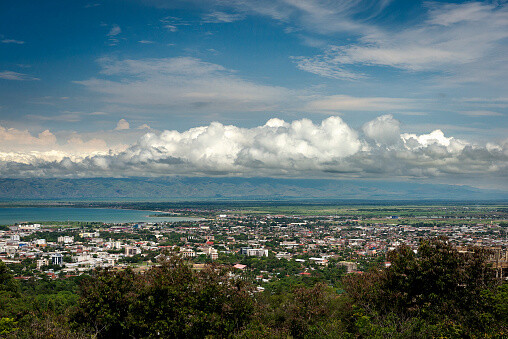
Burundi is located in the Great Lakes region of East Africa, bordered by Rwanda to the north, Tanzania to the east and south, and the Democratic Republic of Congo to the west, while overlooking Lake Tanganyika, one of the largest and deepest lakes in the world.
The country is a member of several regional blocs, most notably the East African Community, the Common Market for Eastern and Southern Africa (COMESA), and the African Union, which enhances its opportunities for developing regional trade.
Efforts to promote development and stability
The Burundian government continues to implement programs aimed at improving food security, developing infrastructure, increasing agricultural production, and expanding education and health care services, in cooperation with regional and international development partners.
The authorities are also working to promote national reconciliation, encourage investment, and create job opportunities for young people, within a vision aimed at achieving more inclusive economic and social development.
Celebrations reflecting pride in national identity
The capital, Gitega, and other cities are witnessing official celebrations on the occasion of Independence Day, which include military parades, artistic and heritage events, sports competitions, in addition to honoring figures who have contributed to serving the nation.
On this occasion, Burundians are keen to recall their country’s history, stress the importance of preserving independence, consolidating peace and national unity, and continuing development efforts for a more prosperous future.