June 30th is Independence Day in Congo... the anniversary of the birth of the nation and the beginning of a journey of challenges.
Congo independence, the end of colonialism
Written by Omnia Hassan
The people of the Democratic Republic of Congo celebrate Independence Day on June 30th of each year, one of the most important national occasions that commemorates the end of decades of Belgian colonial rule in 1960, and the beginning of the modern state-building phase.
This day is an occasion to remember the national struggle and to review the achievements and challenges that the country has faced since its independence to this day.
Congo's independence marked the end of colonialism and the beginning of the republic.
The Democratic Republic of Congo officially gained its independence on June 30, 1960, after more than 75 years of Belgian control, becoming one of the largest African countries in terms of area and population to join the wave of national liberation on the continent.
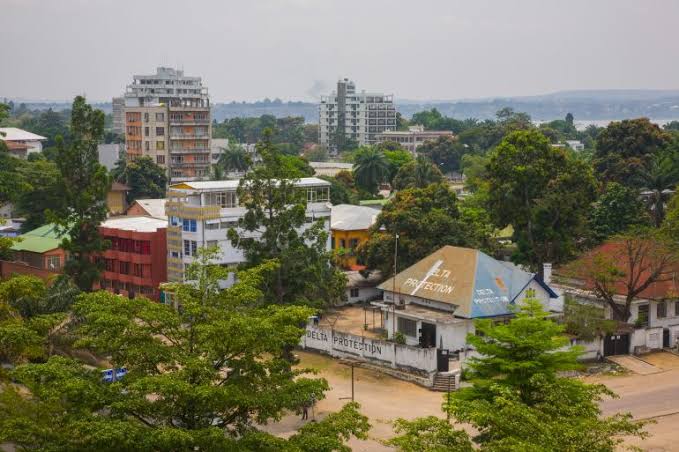
Independence Day witnessed official ceremonies in the capital, Kinshasa, attended by the then King of Belgium, King Baudouin, while the first Prime Minister, Patrice Lumumba, delivered a historic speech in which he affirmed the Congolese people’s rejection of colonialism and their commitment to freedom and national sovereignty, making the speech one of the most famous political speeches in the history of Africa.
National celebrations reflecting Congolese identity
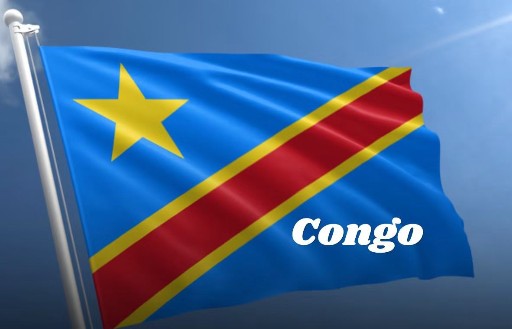
Congolese cities are decorated with national flags during Independence Day, and military parades, popular marches, and cultural and artistic events are organized to highlight the ethnic and cultural diversity that characterizes the country.
The government also uses the occasion to honor national figures and launch development projects, in addition to organizing activities aimed at strengthening the spirit of belonging and national unity among the various components of society.
A country rich in natural resources
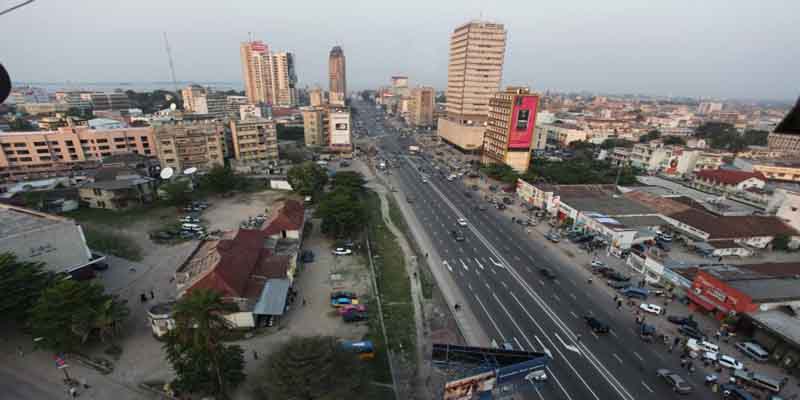
The Democratic Republic of Congo is the second largest country in Africa by area, covering about 2.34 million square kilometers, and is inhabited by more than 110 million people, making it one of the fastest growing countries in terms of population.
The country possesses one of the world's largest mineral wealth reserves, including huge reserves of cobalt, copper, gold, diamonds, tin, coltan and lithium, minerals used in the manufacture of batteries, smartphones and electric cars, giving Congo increasing strategic importance in the global economy.
It also contains the world’s second largest tropical forest after the Amazon, which represents an important environmental lung for combating climate change.
Ongoing challenges despite enormous potential
Despite its vast natural resources, the Democratic Republic of Congo still faces major challenges, most notably armed conflicts in the east of the country, the humanitarian situation, weak infrastructure, and the need to attract more investment and achieve sustainable development.
The government, with the support of its international partners, is working to implement economic reform programs and improve the investment environment, with a focus on developing the mining, energy, agriculture and infrastructure sectors.
Why is Independence Day an important milestone?
June 30 represents more than just a historical anniversary; it is an occasion to renew the commitment to building a stable and prosperous nation that benefits from its enormous natural resources and strengthens its position as one of the most important African countries economically and geographically.
Between the legacy of national struggle and development aspirations, the Democratic Republic of Congo's Independence Day remains a symbol of sovereignty and freedom, and a message affirming the ability of African peoples to shape their future despite the challenges, as the country looks forward to achieving stability and comprehensive development in the coming years.