$240 billion: The mobile economy is reshaping digital Africa
Growing economic contribution

Written by: Mohammed Omran
The telecommunications sector in Africa is undergoing a radical transformation that goes beyond the stage of expanding infrastructure to a more complex stage related to how digital services are used and benefited from.
The mobile economy is reshaping digital Africa
The “Africa Mobile Economy 2026” report, released by the GSM Association on June 16, revealed that mobile technologies and services contributed approximately $240 billion to the African economy by 2025, representing 7.81 TP3T of the continent’s GDP, with the contribution expected to rise to $290 billion by 2030.

According to the report, the telecommunications sector in Africa is entering a new phase after a decade of significant expansion in coverage networks, as the current focus is on the actual use and benefit from digital services, in light of the accelerating reliance on artificial intelligence, digital services and open programming interfaces.
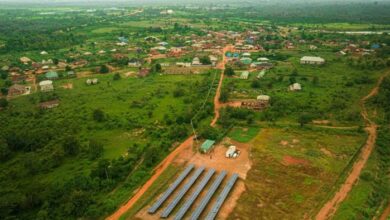
Although broadband networks now cover most of the continent’s population, with only 9% of the population remaining outside the service, the most significant challenge is the usage gap, as approximately 63% of Africans live in areas covered by networks but do not use the internet via mobile phone.
The report indicates that this reality reflects a fundamental shift in the sector's priorities, where the goal is no longer limited to building infrastructure, but rather to enabling individuals, businesses, and governments to fully benefit from available digital services.
He also explained that the mobile phone sector has become one of the most important drivers of the African economy, providing about 13 million job opportunities and contributing to government revenues estimated at $45 billion through various taxes and fees.
According to the report, the sector is expected to continue its growth, driven by the acceleration of digital transformation, and to become more influential in the economy in the coming years.
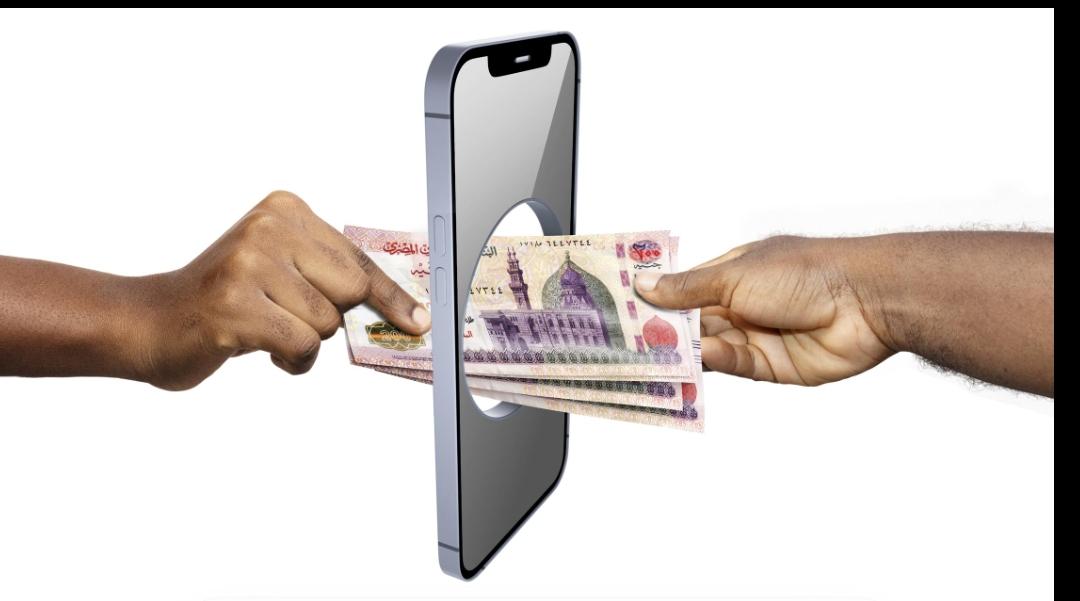
In the same vein, a study by GSMA Intelligence revealed that 791,000 telecom companies in Africa consider becoming business digitization partners a strategic priority, as their role is no longer limited to providing connectivity, but has extended to developing digital platforms, financial services, and artificial intelligence tools, in addition to making their networks available to developers through unified application programming interfaces (APIs).
.
GSMA Director General Vivek Badrinath said that Africa’s mobile communications sector is entering a new phase of development, having succeeded over the past decade in connecting millions of people and businesses, and is now moving towards creating greater value through artificial intelligence, digital services and innovation.
Artificial intelligence stands out as one of the most important drivers of the new phase, as network operators use it to improve performance, develop services and enhance the user experience. However, the report points to a major challenge represented by the diversity of African languages, as the continent includes more than 30% of the world’s languages, while global artificial intelligence models mostly rely on English and languages with limited data.
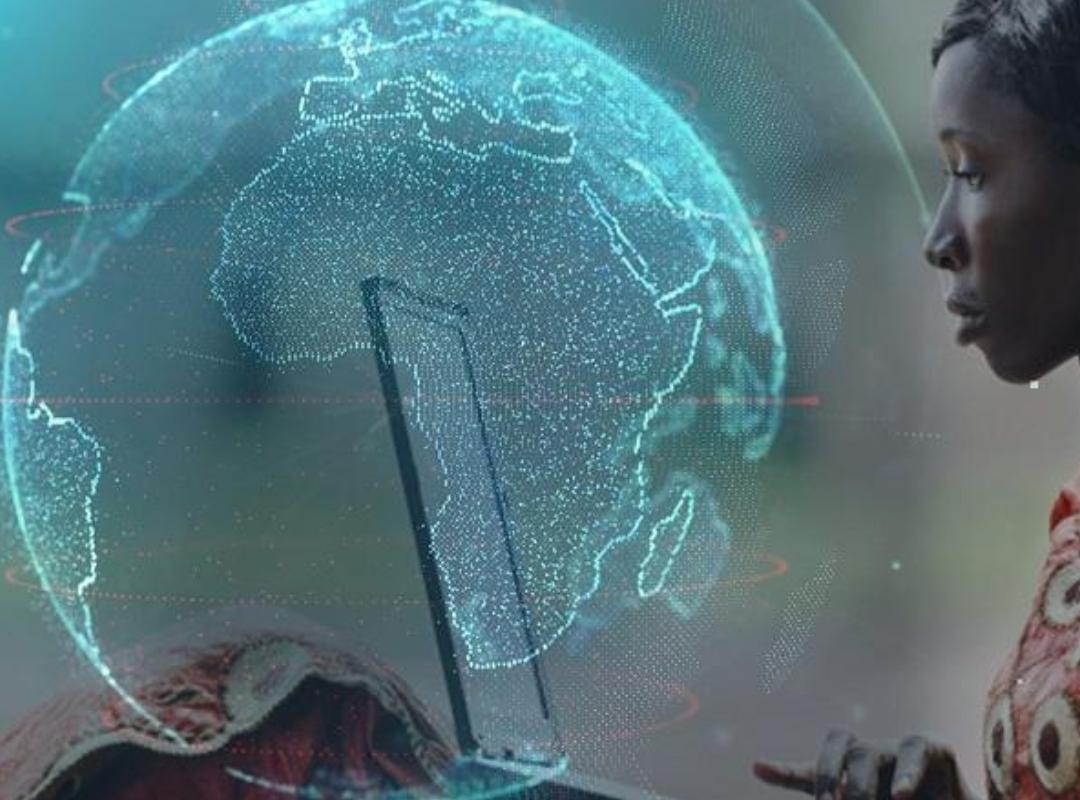
To address this challenge, GSMA launched programs to support the development of African AI models based on local data, which will help reduce the language gap and promote digital inclusion.
The GSMA Open Gateway initiative is also gaining increasing importance, as it provides unified APIs for network operators, paving the way for the development of new services in e-commerce, financial services and digital government, as well as enhancing identity verification and fraud prevention.
Despite this progress, the cost of devices and services remains the biggest obstacle to increasing usage rates, as the report confirms that tax cuts and improved digital skills are key factors in accelerating the spread of the mobile internet.

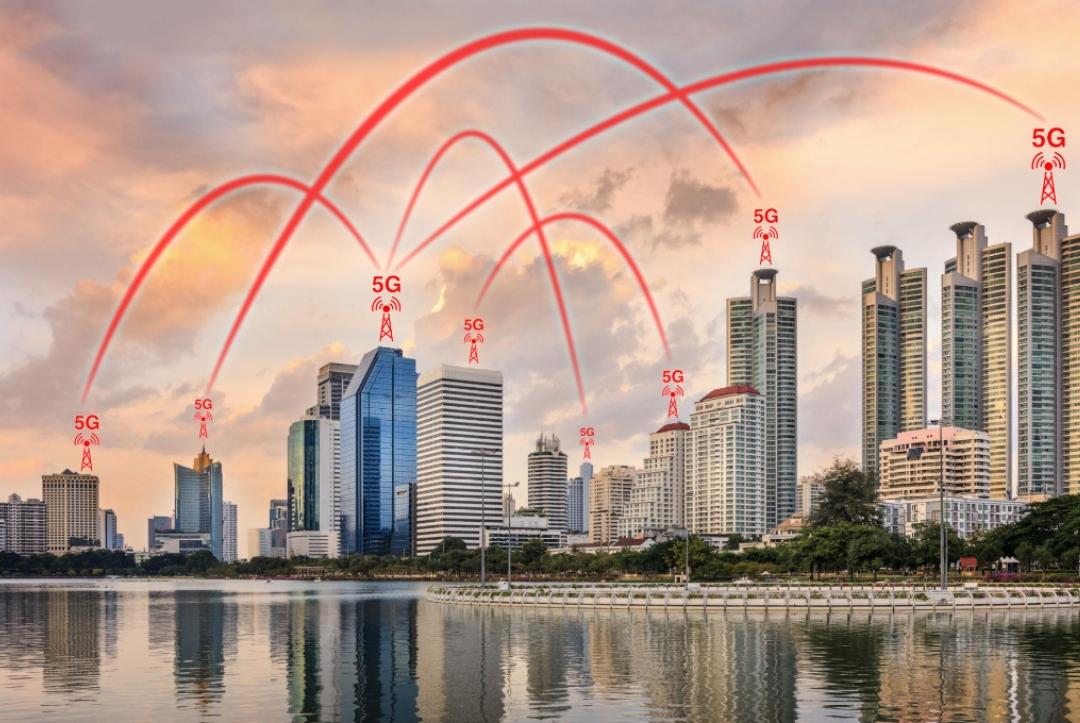
Forecasts indicate that telecommunications companies will invest more than $76 billion in infrastructure development between 2024 and 2030, with the use of 5G technology expected to rise to about 21% of communications.
Beyond the numbers, the report concludes that Africa’s next digital battle will not be about access to networks, but about how to use them and own their value, in light of a growing trend towards making digital services more accessible and affordable to ensure that wider segments of society benefit from the fruits of digital transformation.