Democratic Republic of Congo on a knife's edge... Deadly clashes in Kinshasa due to fears of a "third term"«
Violent clashes erupt in the capital
Written by Omnia Hassan
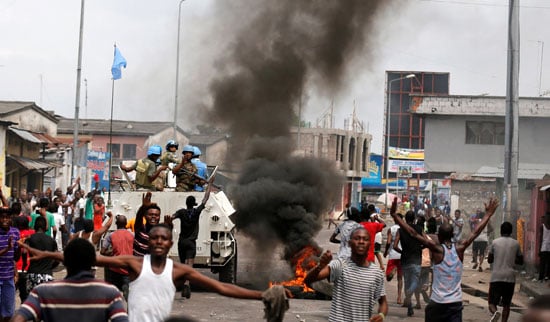
The Republic entered Congo Democracy is a highly sensitive political stage after violent clashes broke out in the capital Kinshasa between security forces and opposition demonstrators, protesting against what the opposition forces describe as attempts to pave the way for President Félix Tshisekedi to remain in power for a third term through a controversial constitutional amendment.
These developments come at a time when the country is facing mounting security and economic crises, raising fears of widening political unrest.
Mass protests and clashes in front of parliament
The area surrounding the parliament in Kinshasa witnessed large gatherings called for by the “Article 64 Coalition” (C64), an alliance that includes the most prominent figures of the Congolese opposition, in rejection of constitutional proposals that the opposition sees as an attempt to circumvent the constitutional restrictions on the number of presidential terms.
The protests quickly turned into clashes after security forces intervened to disperse the demonstrators using tear gas, while witnesses reported clashes between government supporters and opponents.
Martin Fayulo's injury and rising tensions
One of the most significant developments that sparked the wave of public anger was the injury of prominent opposition leader Martin Fayulu during the protests.
Video footage showed Fayulu bleeding from his head as he was carried away by his supporters, while opposition figures confirmed that a number of political leaders and protesters were injured during the clashes.
Some opposition sources also reported casualties among the protesters, while the authorities have not yet issued a final official count.
Constitutional controversy threatens stability
The current Congolese constitution stipulates strict restrictions preventing the amendment of articles relating to the presidential term and the number of terms. However, a draft law under discussion opens the door to constitutional amendments in cases described as ”major dysfunction in state institutions,” which the opposition considers a legal entry point for reformulating the rules of presidential candidacy in the future.
President Tshisekedi has previously hinted at his willingness to run again if he receives popular support through a referendum.
Fears of a wider escalation of the crisis
These developments come as the Democratic Republic of Congo faces serious security challenges, most notably the escalating attacks by the armed M23 movement in the east of the country, along with worsening economic and health crises.
Observers believe that the continued conflict over amending the constitution could push the country towards a more turbulent phase, especially with the opposition parties uniting around rejecting any tampering with the constitutional restrictions on the presidency, in a scene that reflects the escalating political tension years before the next elections.